

Bali might be famous for its southern beaches and the nightlife of Canggu or Seminyak, but if you’re looking for a more natural, peaceful, and less touristy side of the island, then Buleleng in North Bali is the answer.
Buleleng Regency is the largest region in Bali and offers a perfect blend of lush mountains, exotic waterfalls, traditional villages, and tranquil beaches. With a more relaxed and authentic atmosphere, Buleleng is ideal for travelers who want to experience the true essence of Bali, far from the crowds.
1. Lovina Beach: Greeting Dolphins at Sunrise

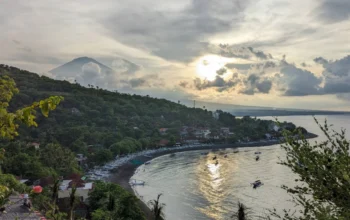
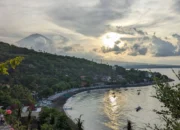
Lovina Beach is the icon of North Bali tourism. This beach is famous for its early-morning wild dolphin sightings in the open sea.
Activities in Lovina:
Ride a traditional boat (jukung) to spot dolphins.
Snorkeling and diving in calm waters.
Relax in the afternoon while enjoying a peaceful sunset.
Experience the friendly and modest vibe of the coastal village.
Many accommodations near Lovina offer a comfortable and affordable stay.
2. Gitgit Waterfall: Mountainous Natural Beauty
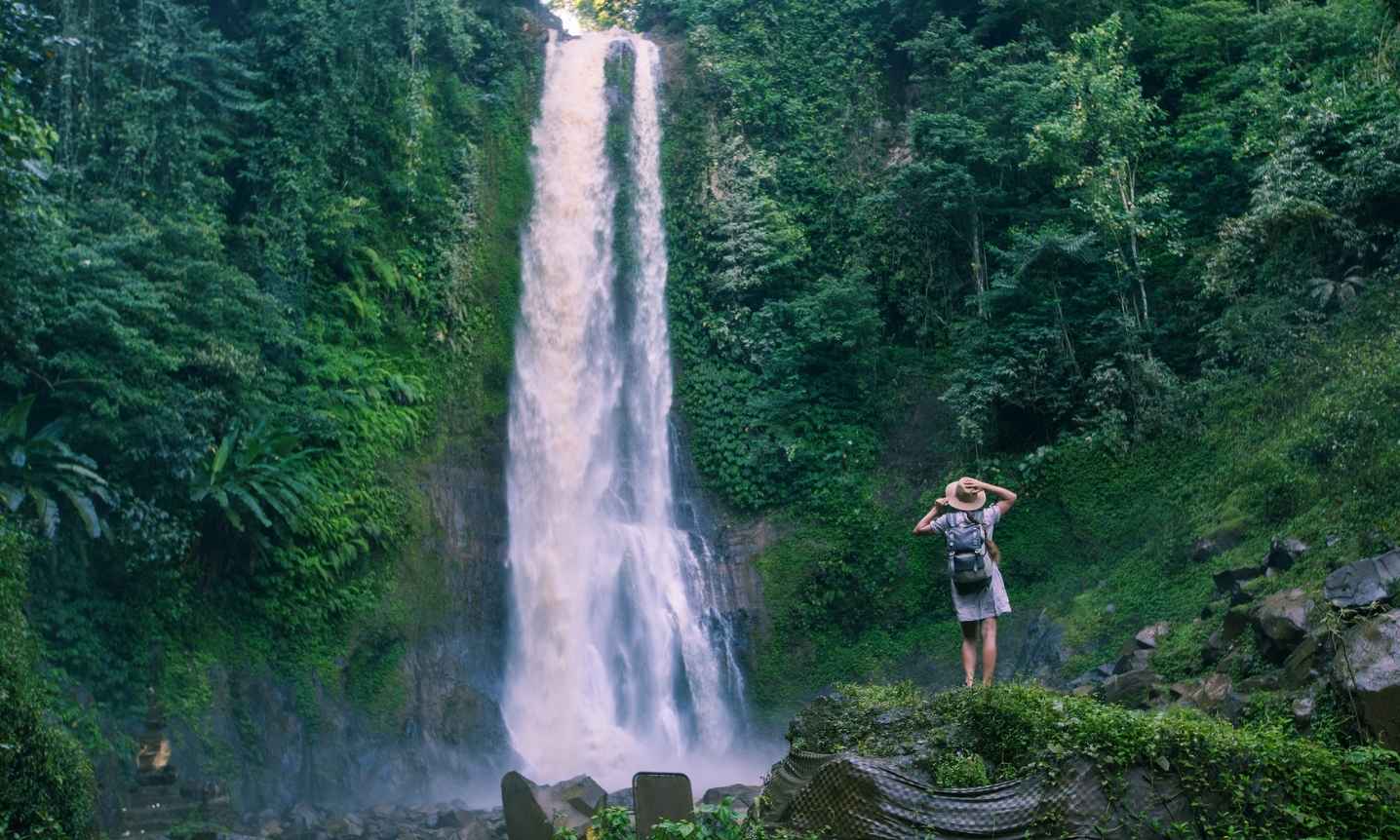
Gitgit Waterfall is one of the most well-known waterfalls in Buleleng. Located in the highlands, it presents pristine natural scenery and refreshing air.
Highlights:
Easy access via a well-maintained footpath.
Approximately 35 meters high with strong water flow.
Surrounded by tropical trees and a peaceful nature vibe.
Gitgit is perfect for families or solo travelers who want to reconnect with nature.
3. Lake Buyan and Lake Tamblingan: Highland Serenity
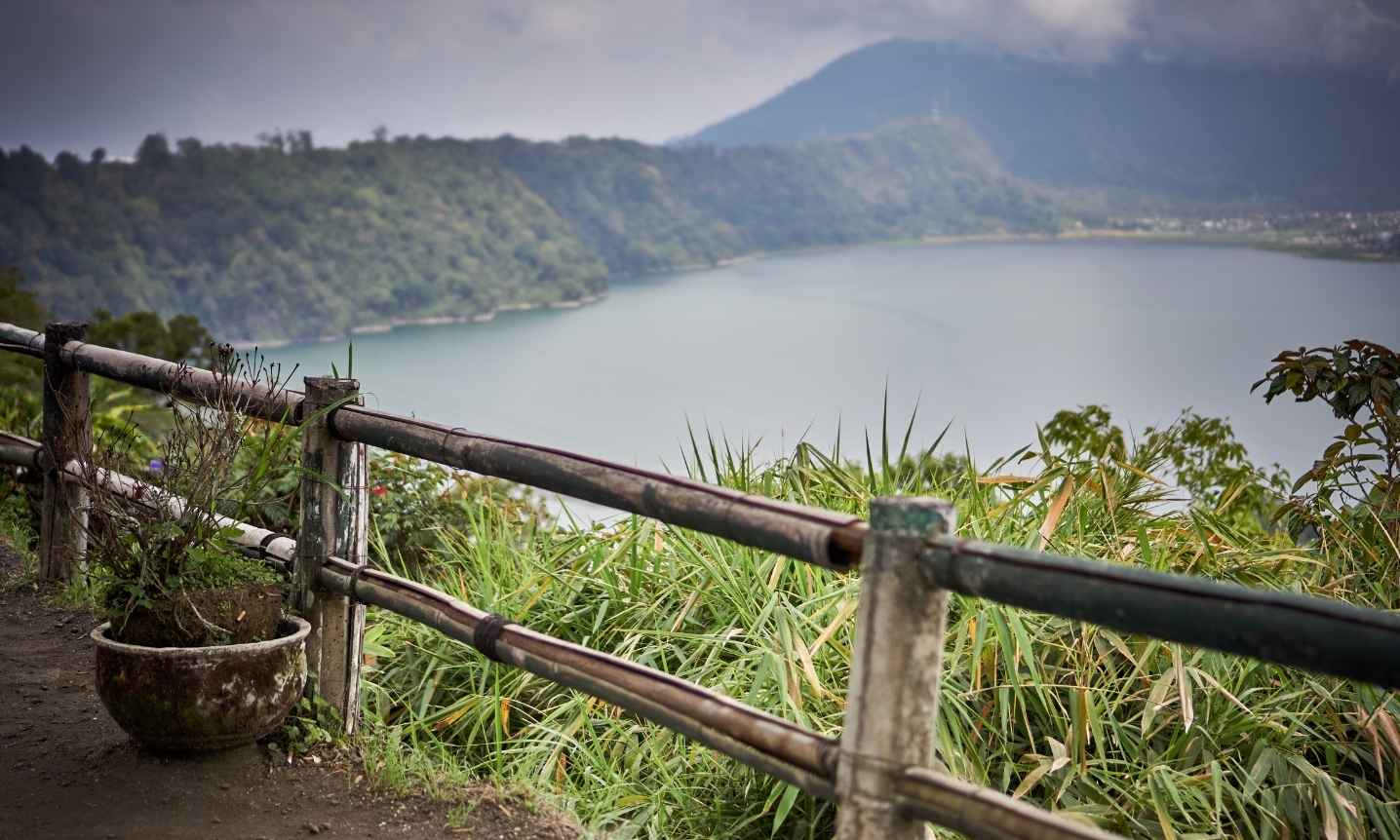
These twin lakes are located in the highlands of Bedugul and are part of Buleleng’s ecotourism.
Exciting activities:
Camping by the lakeside.
Trekking in the surrounding tropical rainforest.
Traditional wooden canoe rides across Lake Tamblingan.
Visiting Ulun Danu Tamblingan Temple, a unique small temple by the lake.
Perfect for nature lovers, photography enthusiasts, and spiritual travelers.
4. Sekumpul Waterfall: A Hidden Paradise in the Jungle
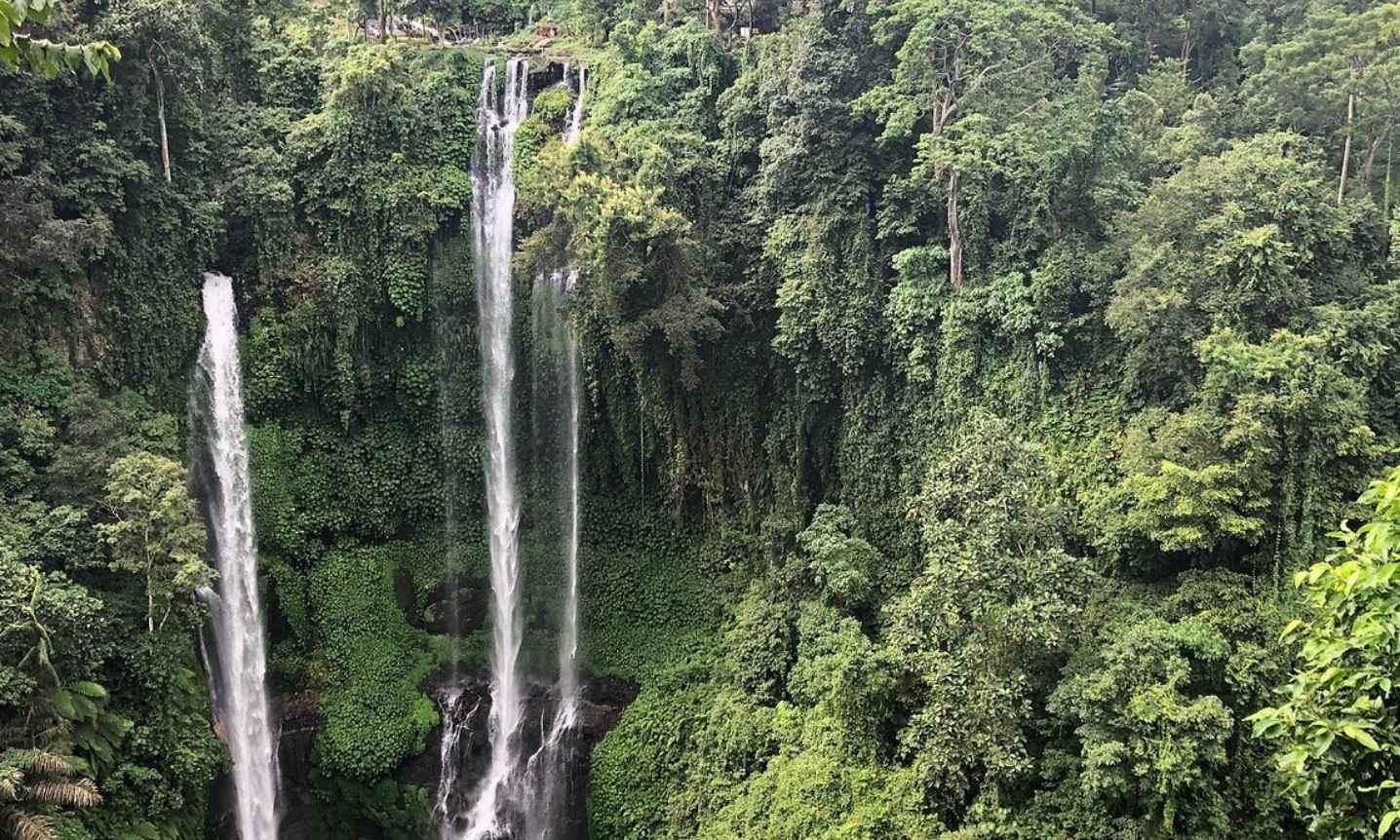
Sekumpul Waterfall is considered one of the most beautiful waterfalls in Bali—many even say it’s the best.
Why it’s special:
Multiple waterfalls in one area.
Nestled in dense forest and rice fields.
Reaching it involves an adventurous trek through valleys and streams.
Great for active travelers ready to explore the hidden gems of North Bali.
5. Munduk Village: Mountain Village with Stunning Scenery
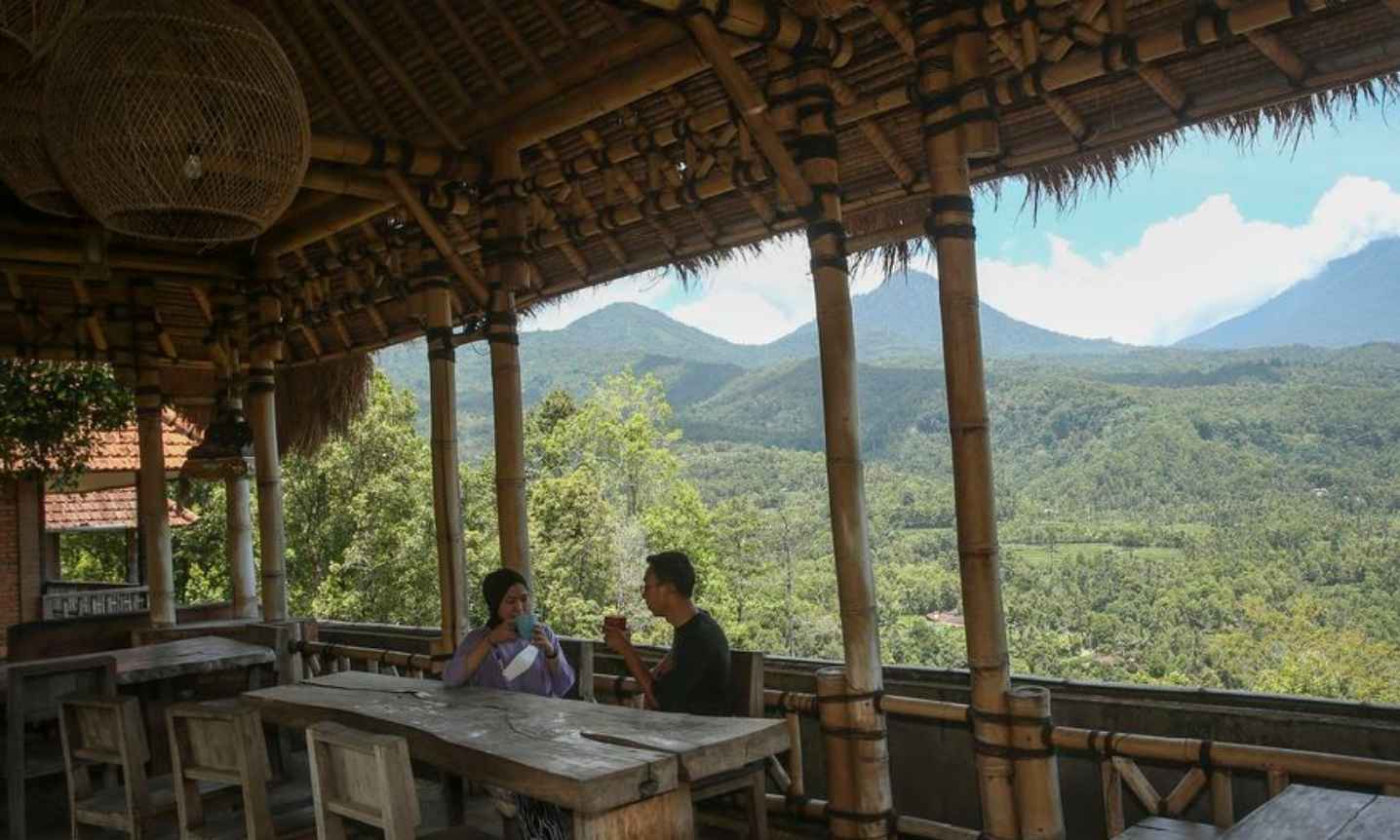
Munduk is located in the Buleleng highlands and offers a refreshing atmosphere with views of mountains, green valleys, and coffee plantations.
What to do:
Stay in an eco-lodge with sunrise and morning mist views.
Visit Munduk and Melanting Waterfalls.
Enjoy Balinese coffee from local plantations.
Trek through plantations, rice fields, and traditional villages.
Munduk is ideal for slow travel and peace seekers.
6. Pemuteran: Gateway to West Bali National Park
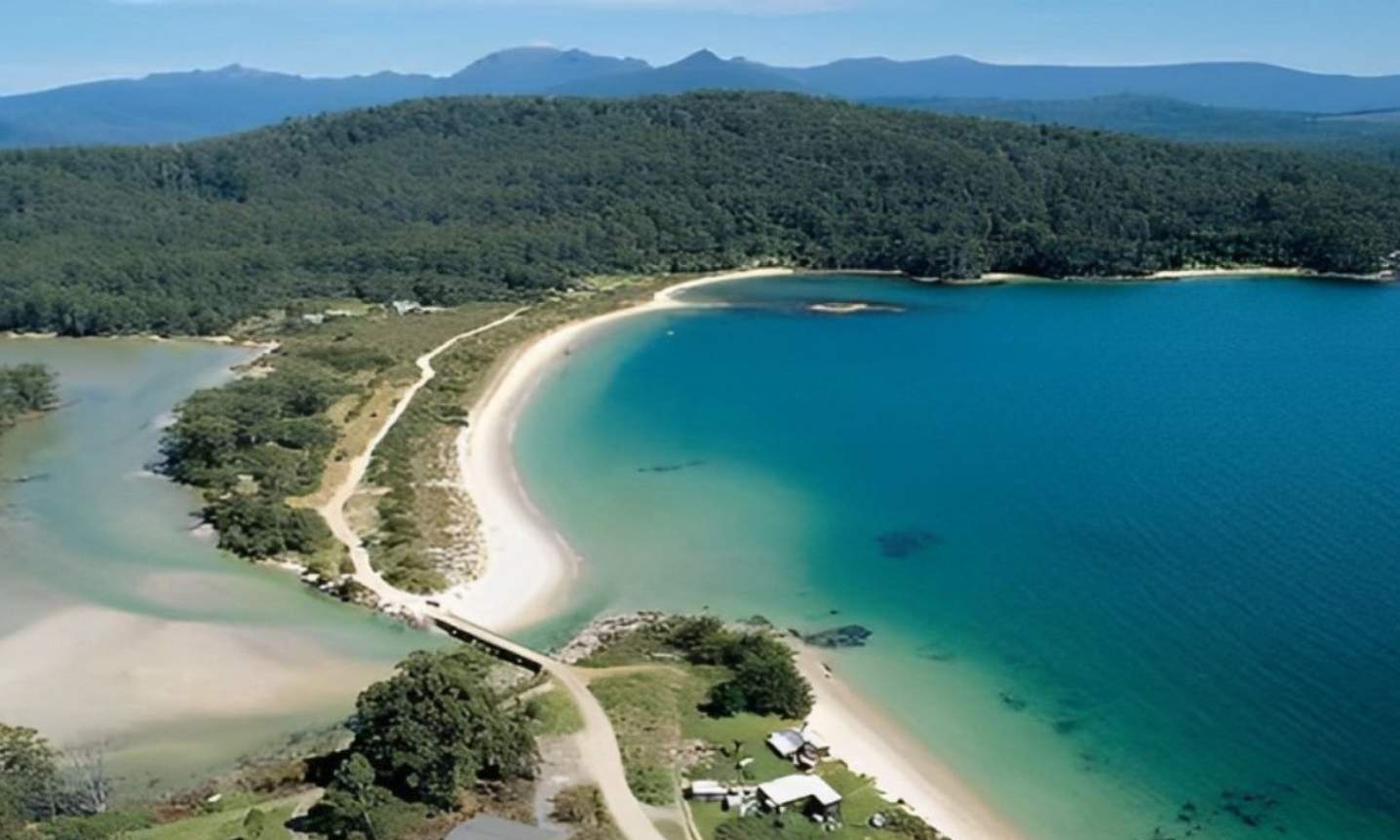
Located in the far northwest of Buleleng, Pemuteran is a coastal village that serves as a gateway to Menjangan Island and the West Bali National Park conservation area.
Main activities:
Snorkeling and diving in Menjangan Island’s coral reefs.
Exploring the national park with a local guide.
Joining coral reef and turtle conservation tours.
Yoga and relaxation at quiet beachfront resorts.
Pemuteran is known for its eco-friendly marine tourism and nature harmony.
7. Air Sanih: Freshwater Spring Pool by the Beach
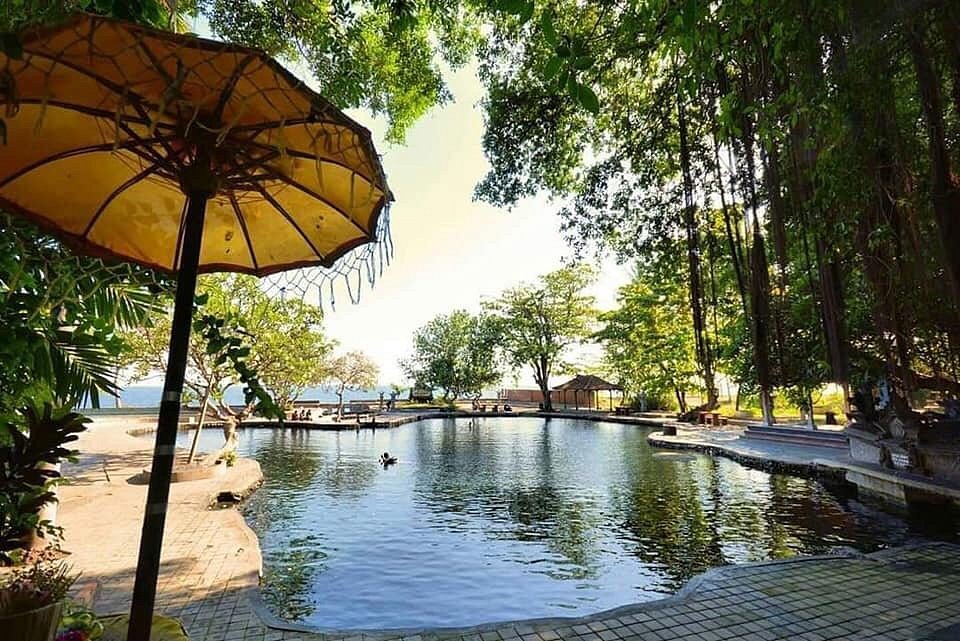
Air Sanih, or Yeh Sanih, is a unique natural bathing spot filled with freshwater directly from springs—even though it’s located very close to the sea.
Perfect for:
Family vacations.
Swimming and relaxing.
Enjoying seafood from local food stalls near the pool.
Air Sanih is a great spot to unwind without needing to head into the mountains.
8. Cultural Tourism in Buleleng
Though better known for its nature, Buleleng also holds a wealth of cultural heritage to explore:
Pura Beji in Sangsit: an ancient temple with Buleleng’s signature detailed carvings.
Gedong Kirtya in Singaraja: the world’s only lontar (palm-leaf manuscript) library museum.
Singaraja Heritage Walk: the old town and former capital of Bali with colonial buildings, an old harbor, and a blend of Balinese-Chinese-European heritage.
9. Buleleng Culinary Delights
Don’t miss tasting local culinary specialties when visiting Buleleng:
Sudang Lepet: Buleleng’s signature crispy fried salted fish.
Tipat Cantok and Jukut Undis: traditional North Balinese home-cooked dishes.
Sate Plecing: skewers with a spicy tomato-chili sambal.
Many local warungs and restaurants serve authentic Balinese cuisine in a cozy setting.
10. Access and Accommodation
Access:
From Denpasar to Lovina/Singaraja: around 2.5–3 hours by car via the Bedugul route.
From Gilimanuk (West Bali): about 2 hours to Pemuteran.
Accommodation:
Beachfront hotels and villas in Lovina and Pemuteran.
Eco-lodges and homestays in Munduk and highland villages.
Resorts with lake views around Bedugul/Buyan.
Travel Tips to Buleleng
Highland weather can be chilly, especially at night—bring a light jacket.
Wear comfortable shoes for waterfall trekking.
Plan your trip early to avoid traffic along the Bedugul route.
Respect local culture and temple etiquette when visiting.
Bring cash, especially when visiting villages and remote areas.
Conclusion: Buleleng, Bali’s Serene and Captivating Nature Paradise
Buleleng is a dream destination for those wanting to escape the hustle and bustle of mainstream Bali tourism. Here, you can reconnect with nature, enjoy the silence of the mountains, dive into crystal-clear seas, and feel the warmth of the local community.
From Lovina to Munduk, from Gitgit to Menjangan Island—Buleleng offers a different, authentic, and truly soothing Bali.
If you’re looking to experience a peaceful, spiritual, and stunningly beautiful side of Bali, Buleleng is a must on your travel itinerary.