

Hello everyone! For those of you who happen to be on holiday in Bali, or are getting ready to fly to the Island of the Gods leading up to Nyepi (Day of Silence), wow, you are incredibly lucky! Why? Because the most anticipated cultural moment for locals and tourists from all over the world is just around the corner: Pengerupukan Eve, aka the Ogoh-Ogoh Parade! The excitement welcoming Nyepi (Saka New Year) is always extraordinary in every corner of this island. From the banjars (community halls) bustling for months beforehand, to the distant sounds of gamelan practice every night. The peak is the day before Nyepi, where Bali will “explode” and be incredibly alive with the Ogoh-ogoh parade.
For those of you who might be watching for the first time, or have seen it many times but want a new atmosphere or route, this article is perfect to use as your guide. I will thoroughly discuss recommendations for the most strategic and best places to watch Ogoh-ogoh in Bali, complete with clever tips and tricks to make your viewing experience more optimal, safe, and definitely super fun. Let’s break it down one by one!
A Little About Ogoh-Ogoh: So You Can Watch with More Understanding and Goosebumps
Before we jump to the cool locations, it’s a good idea to discuss a bit about what Ogoh-ogoh actually is. So that when you watch later, you’re not just seeing “scary giant dolls being paraded”, but you also understand the essence and deep meaning.
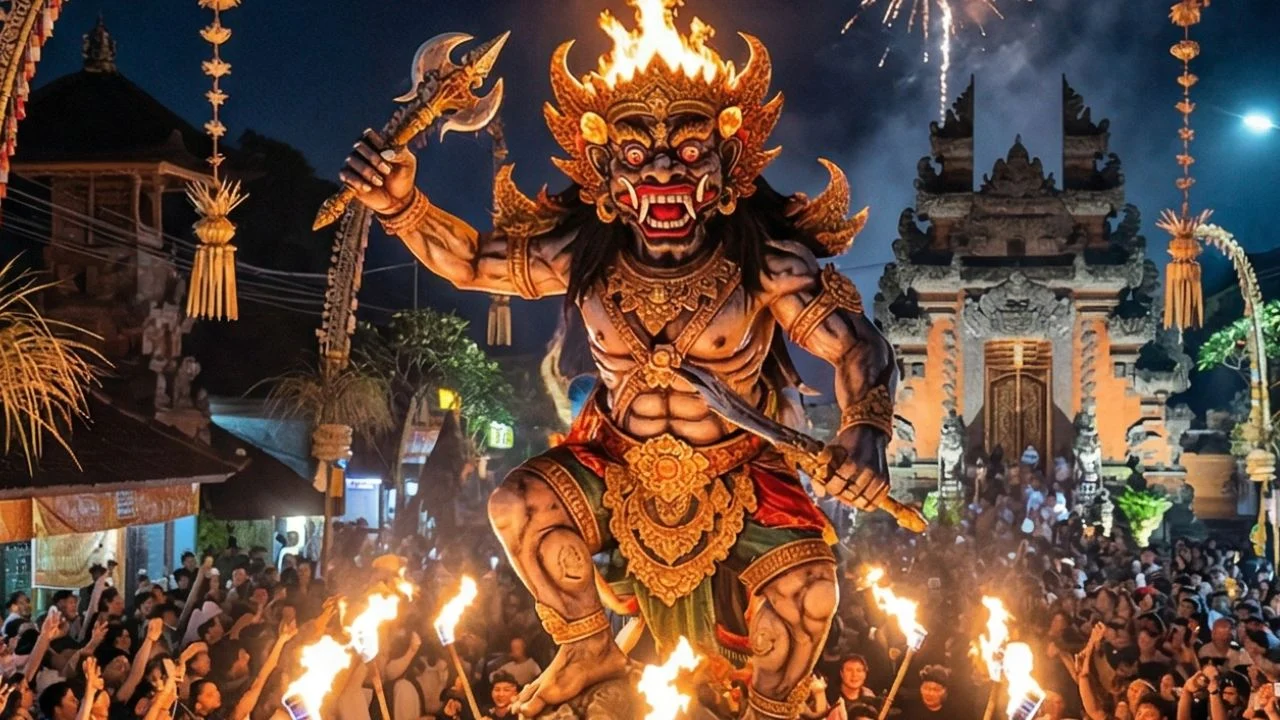
Basically, Ogoh-ogoh is a visual representation of Bhuta Kala, or negative energies, bad traits, and evil spirits that exist in the universe (and certainly reside within humans themselves). The forms are deliberately made to be terrifying, giant in size, and sometimes weirdly shaped. Some are inspired by monsters from Hindu mythology, Balinese folklore, to contemporary scary figures or trending social issues, all created to visualize these negative aspects.
On Pengerupukan night, the youth from each Banjar, part of the Sekaa Teruna Teruni (STT), will carry and parade these Ogoh-ogoh around the village or city streets. This is no joke! Accompanied by the fast-tempo, loud, energetic, and guaranteed-to-give-goosebumps beats of Baleganjur gamelan music, the Ogoh-ogoh will be spun three times (counter-clockwise) at every main intersection, called Catus Pata.
What’s the purpose? This spinning ritual is believed to confuse and drive away negative energies, sending them back to their origin so they don’t disturb humans during the Catur Brata Penyepian (the four Nyepi prohibitions) the next day. At the end of the event, after being paraded around the village, the Ogoh-ogoh is usually dipralina (burned or destroyed in the local village cemetery) as a symbol of returning these negative elements to nature and self-purification.
Can you imagine the magic of this procession? They take months to make, cost tens of millions of rupiah, only to be enjoyed for one night and then burned. This is an incredible form of sacrifice and artistic dedication. Now, let’s discuss where you should standby to watch these extraordinary works of art!
6 Best Spots to Watch Ogoh-Ogoh in Bali
1. Catur Muka Statue, Denpasar (Level: Epic, Colossal & Super Crowded)
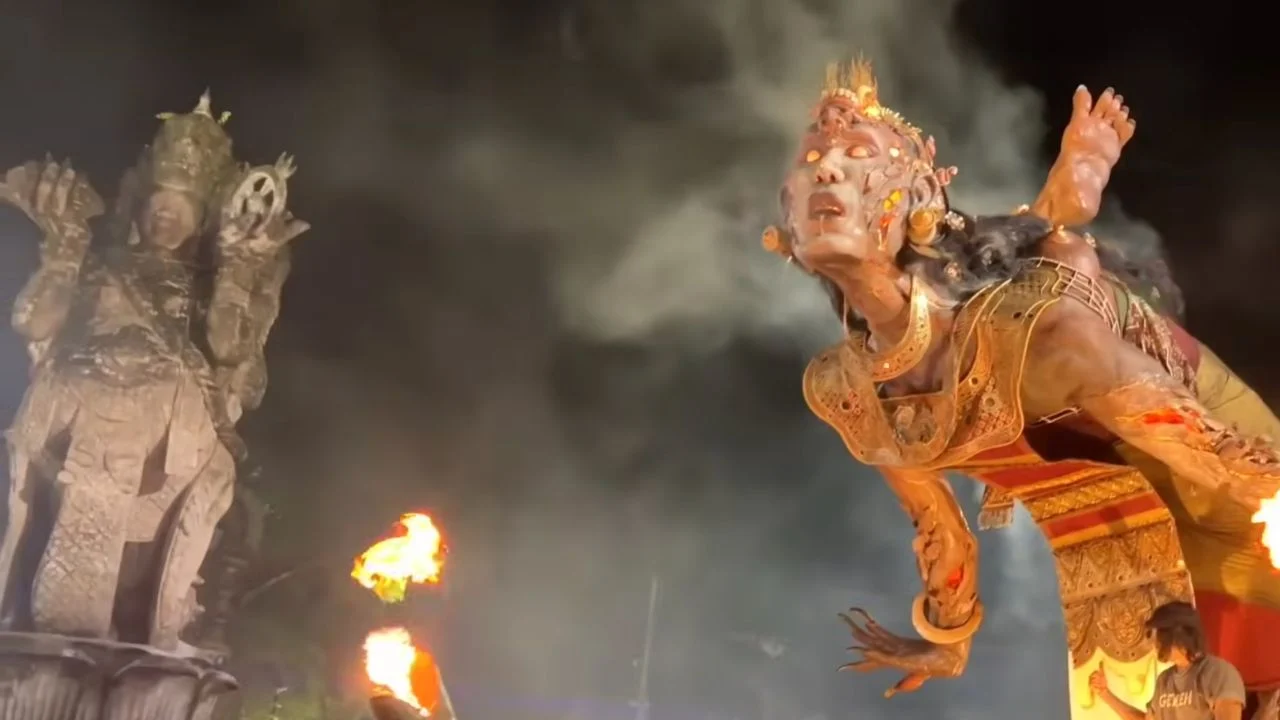
If you ask locals where the most magnificent and serious “battle” of Ogoh-ogoh in all of Bali takes place, the answer is definitely the Catur Muka Statue area (Kilometer Zero Denpasar), right in front of the Denpasar Mayor’s Office. You could say this is the “Champions League” of Ogoh-ogoh, folks!
The Ogoh-ogoh that appear and parade through this area are usually the winners or nominees for the best works from various sub-districts in the Denpasar area. The artistic detail is insane, the anatomy is super precise, some can move using hydraulic systems, are equipped with advanced LED lights, smoke machines, and are hugely gigantic. The Denpasar City Government usually also holds a special festival (Kasanga Festival) around here to accommodate the creativity of the youth.
Vibe: Very competitive, colossal, festive, floodlights everywhere, and very prestigious.
Note: Super crowded! This is a sea of people. If you don’t like extreme pushing and shoving or get easily panicked in crowds, this might be a bit overwhelming. But if you’re looking for the most spectacular and unparalleled spectacle, this is a must-visit place.
2. Around Pura Taman Ayun, Mengwi (Level: Authentic & Local Pride)
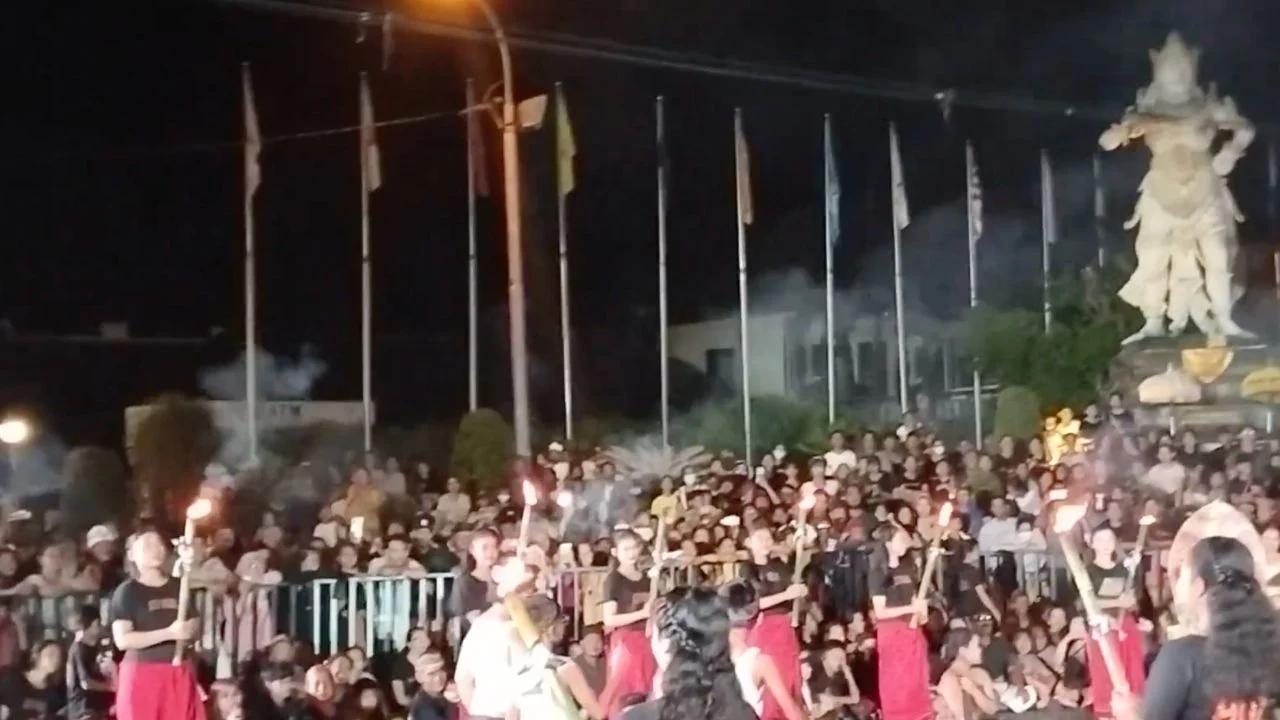
Don’t get it wrong; areas outside the city center like Mengwi also have a tradition and quality of Ogoh-ogoh art that can compete with those in Denpasar. The best spot is around the intersection outside the iconic Pura Taman Ayun temple, or along the main road of Mengwi village.
Why is watching here so enjoyable? Because the vibe is much more authentic, sacred, and you really feel the sense of community. You will see the pure enthusiasm of the villagers coming down to the street without too much commercialization of tourism. Young children, teenagers, and village elders all get involved. The backdrop of Pura Taman Ayun makes the atmosphere of Pengerupukan night feel very magical.
Vibe: Traditional, very warm, maintains customary values, and very community-based.
Note: The main road access is usually totally closed off from the afternoon. So, it’s better to find parking in outer areas or slightly further alleys, then walk towards the temple area.
3. Central Ubud / Monkey Forest Area (Level: Artsy, Eco-Friendly & Magical)
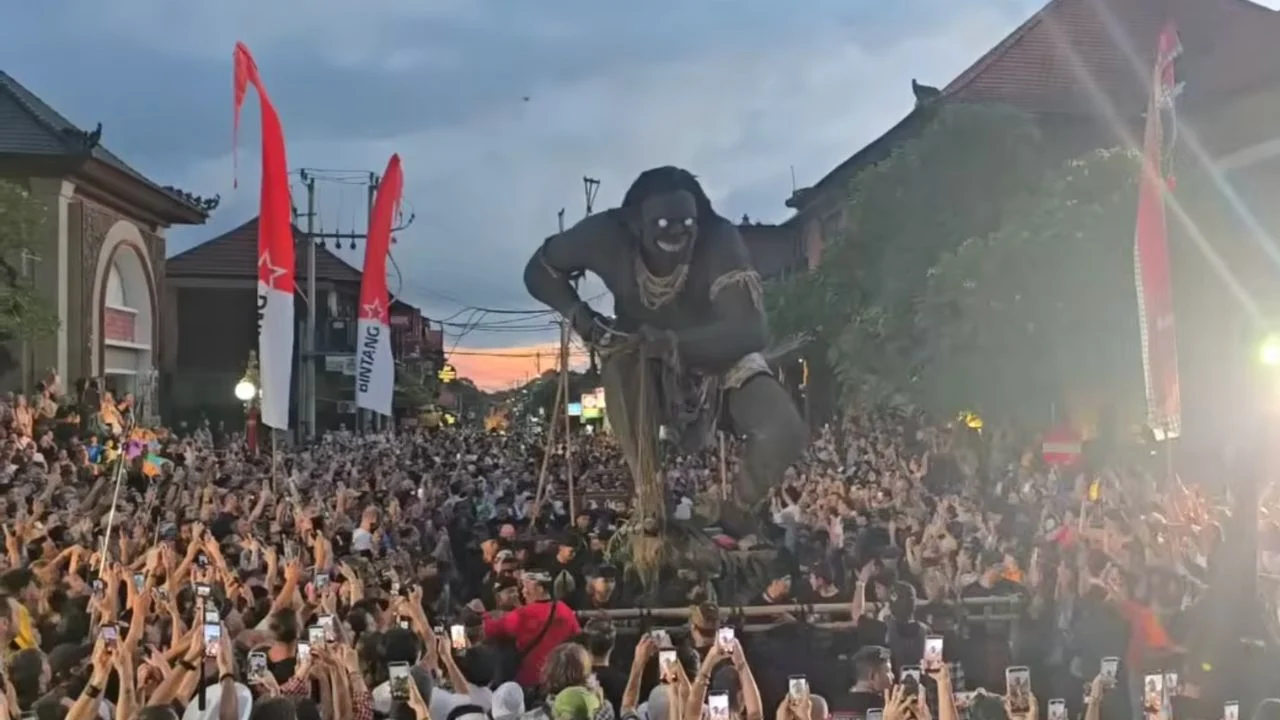
Ubud has long been known as the center of arts and culture in Bali, so it’s only natural that the Ogoh-ogoh born from the hands of Ubud’s banjar youth are famous for their god-level artistic value. What makes it different is that Ubud’s youth are very strict about the building materials for Ogoh-ogoh. They strongly avoid using styrofoam or single-use plastics, preferring eco-friendly materials like woven bamboo, rattan, dried banana leaves, coconut fiber, and dried leaves.
The result? Ogoh-ogoh with very natural, raw textures, and muscle anatomy and facial expressions that look very realistic and alive. You can standby at the Catus Pata intersection in Ubud (near Puri Saren and Ubud Art Market) or along Monkey Forest Road.
Vibe: Very artsy, slightly dim because of Ubud’s shady streets, the magical nuance is really strong. You’ll definitely be watching alongside many expatriate tourists who are also amazed by this art.
Note: Streets in Ubud are small and narrow, so the traffic jam will be extraordinarily bad. It’s highly recommended to find accommodation in the Ubud area itself if you intend to watch and enjoy Pengerupukan night here.
4. Ground Zero & Kuta Beach (Level: Street Party & International)
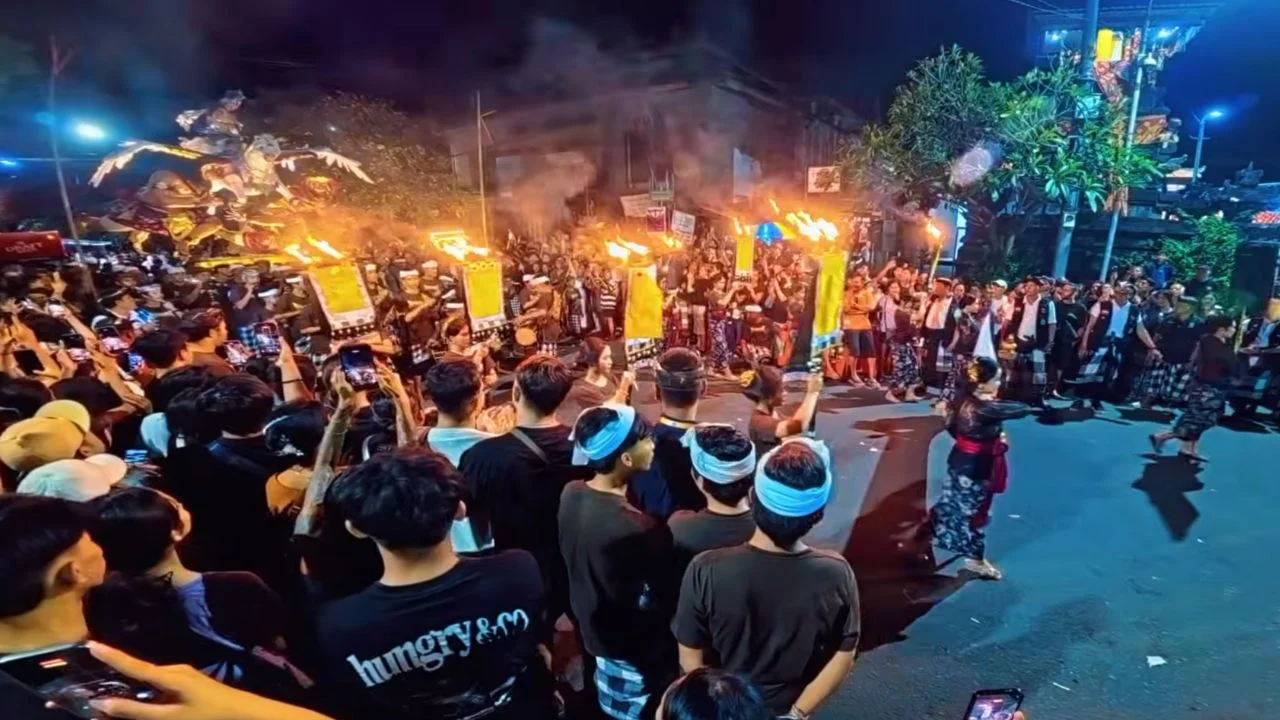
For those of you with a young spirit, who like a crowd leaning more towards a “street party”, and want to join a massive international audience, the Kuta area is the answer. Ogoh-ogoh in the Kuta, Legian, and Seminyak areas usually parade along iconic streets like the Ground Zero Monument, ending at the edge of Kuta Beach.
They are huge, very heavy. Sometimes one Ogoh-ogoh needs to be carried by 50 to 100 banjar youths. The sound of the Baleganjur gamelan will compete with the cheers, whistles, and applause of foreign tourists getting hyped on the roadside. A true blend of local culture and global euphoria!
Vibe: Very festive, chaotic (in a fun and positive sense), full of explosive energy.
Note: Be prepared to not be able to move much once you’re stuck in the Legian crowd. Buy drinks, snacks, or even just use the restroom at the nearest minimarket before the peak of the event starts, because your mobility will be very limited.
5. Sanur Intersection / Jalan Danau Tamblingan (Level: Family Friendly & Chill)
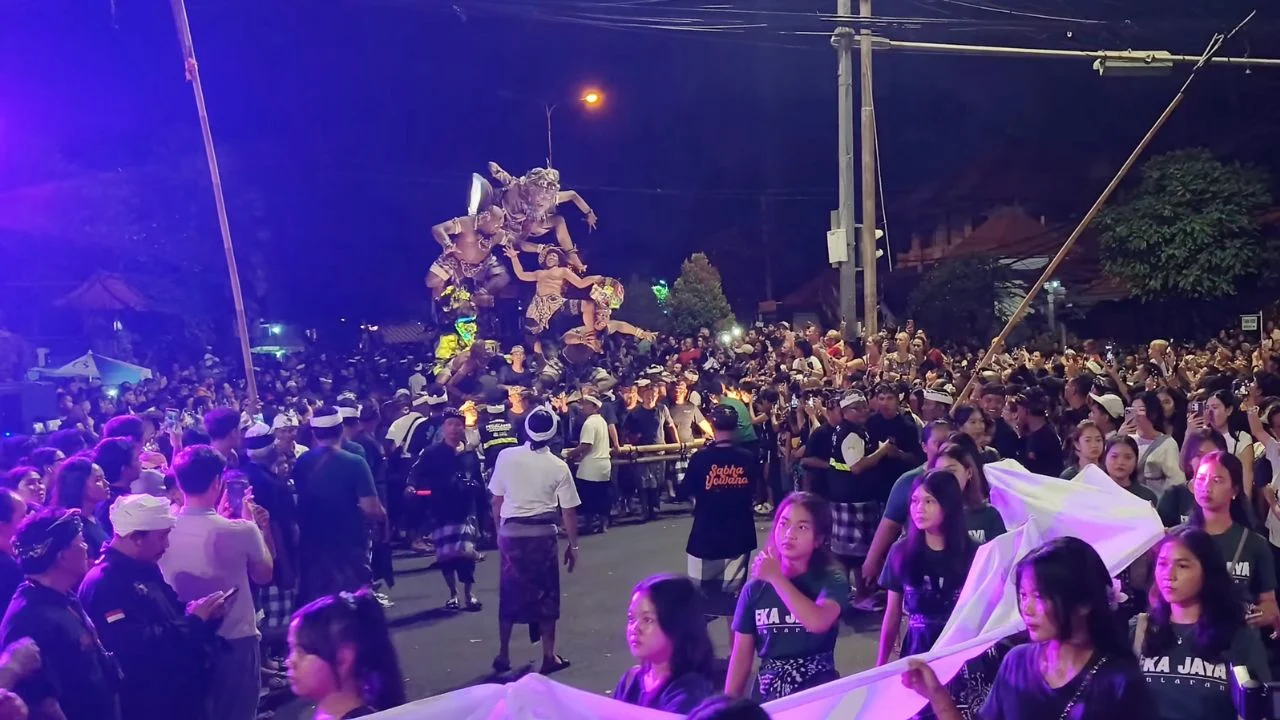
If you’re on holiday with family, with young children, or just want to watch a cultural parade without too much aggressive pushing and shoving that makes you sweat profusely, the Sanur area is the sweetest and most fitting option. Banjar communities in Sanur also diligently make really cool Ogoh-ogoh, but fortunately, the street atmosphere there is wider, quieter, and not as frightening as the human currents in Kuta or Denpasar.
You can sit back relaxedly at a café on Jalan Danau Tamblingan while having dinner and waiting for the parade to pass right before your eyes. The breezy sea wind also makes the viewing atmosphere not too hot.
Vibe: Relaxed, nice for hanging out, child-friendly, and very comfortable.
Note: This spot is highly recommended for beginners or tourists experiencing Pengerupukan night for the first time and who aren’t mentally ready for the crowding in the city center.
6. GWK Intersection / Jimbaran Area (Level: Grand & Coastal Thematic)
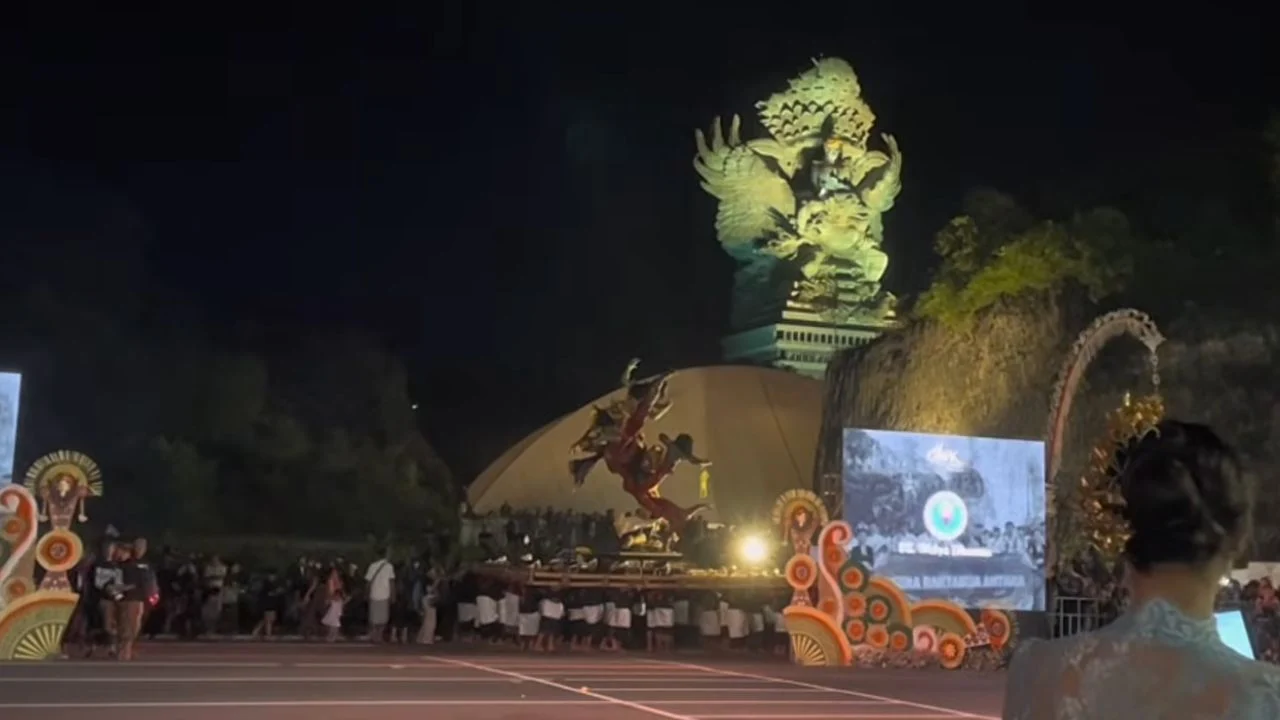
For those of you who happen to stay or lodge in South Bali (like Nusa Dua, Jimbaran, or Uluwatu), you don’t need to bother going far and fighting traffic to Denpasar. The Jimbaran intersection area or around the main road leading to the Garuda Wisnu Kencana (GWK) Cultural Park always has a very festive parade too.
What’s unique about this area is that the banjars in South Kuta often create Ogoh-ogoh with themes of ocean mythology, gods/goddesses of the sea, or sea monsters connected to coastal culture.
Vibe: Very cohesive, traffic is quite well managed by Pecalang (Balinese customary security officers).
Note: The hilly, undulating contour of the southern streets makes the effort of the youths when spinning and carrying the Ogoh-ogoh look even more dramatic and tense to watch.
Clever Tips for Watching Ogoh-Ogoh So Your Experience Isn’t Miserable
So that your viewing experience is smooth, memorable, and doesn’t end in a bad mood, there are several “unwritten rules” and survival tips you absolutely must apply:
Come Early (From the Afternoon): The parade usually starts heating up and reaches its peak around 7 or 8 PM and onwards. BUT, remember, roads start being gradually closed by Pecalang from 4 or 5 PM. If you’re stubborn and come close to 7 PM, it’s certain you’ll get stuck in a terrible traffic jam and end up only seeing the backs of people’s heads from afar.
Walking is The Key (Prepare Physically): Don’t dream of bringing a car close to the parade center. Even bringing a motorbike requires mental preparation to park 1 to 2 kilometers from the event location. Wear comfortable sneakers or flip-flops because you will definitely be walking quite far and standing for hours.
Comfortable & Respectful Clothing: Pengerupukan night air in Bali tends to be very humid, especially if you’re in the middle of a crowd of tens of thousands of people. Wear cotton t-shirts that absorb sweat easily. Although the atmosphere is relaxed like a festival, please still maintain politeness. Don’t wear bikinis, swimwear, or clothing that is too revealing out on the main road, because this is, after all, a series of sacred customary and religious events.
Respect the Parade’s Movement Space (Watch Out, Don’t Get Hit!): This point is crucial! When the Ogoh-ogoh reaches the intersection and is about to be spun, PLEASE BACK AWAY IMMEDIATELY. Give as much space as possible for the carriers. Don’t move forward into the middle of the road just for a good Instagram Story or TikTok. You could get hit by the bamboo support structure of the Ogoh-ogoh, which can weigh hundreds of kilos. Respect the parade participants who are already tired and sweaty.
Prepare Logistics Supplies: Bring your own bottle of drinking water from your accommodation. Buying it at a minimarket before the event starts is also fine. Believe me, when you’re thirsty from shouting in the middle of a sea of people, finding an open stall or even walking to a minimarket 100 meters away is incredibly difficult.
Don’t Cause Disturbances or Provocations: Pengerupukan night has fairly high tension for the banjar youths who are physically tired from carrying giant Ogoh-ogoh. Be a good spectator, applaud, cheer, and enjoy the music, but never provoke, mock, or disturb the passing parade groups.
Closing
Watching an Ogoh-ogoh parade live is truly a magical experience that you absolutely must try at least once in your life. The sensation of the Baleganjur gamelan vibrations hitting your chest, the gaze of the giant statue under the dim streetlights, and the extraordinary energy of thousands of people gathering together – none of that can ever be captured just through a video screen. You have to truly be there to feel the magical aura yourself!
So, make sure you’ve decided which spot you want to go to, book your nearest accommodation from now on, and bring a fun travel partner to walk with. Enjoy Pengerupukan night and a happy Nyepi (Saka New Year) to everyone, may peace and balance of nature always be with us.