

For many first-time visitors, Ubud is where Bali’s spiritual heart truly comes to life. Beyond its famous rice terraces and bustling art markets, the region is home to centuries-old Hindu temples, sacred springs, and cultural landmarks that offer a deeper understanding of Balinese traditions. If you only have one day to experience this side of the island, a well-planned Ubud temple tour allows you to visit several of the area’s most significant temples while learning about the customs, architecture, and beliefs that continue to shape everyday life in Bali.
This guide will help you plan the perfect one-day temple itinerary, including the best places to visit, practical travel tips, and local etiquette to ensure a respectful and memorable experience.
Why Ubud Is the Spiritual Heart of Bali
Unlike Bali’s southern beach towns, Ubud has long been recognized as the island’s cultural and spiritual center. Traditional villages, family compounds, and Hindu temples remain an essential part of daily life, with ceremonies taking place throughout the year.
Balinese Hinduism combines ancient Hindu beliefs with local traditions, creating unique rituals that can be seen everywhere from colorful canang sari offerings placed on sidewalks each morning to elaborate temple festivals known as Odalan.
Many of Ubud’s temples are still active places of worship rather than tourist attractions. Visiting them offers an opportunity to appreciate not only their beautiful stone carvings and peaceful surroundings but also the living culture that has been preserved for generations.
Your Perfect One-Day Temple Itinerary
To make the most of your day, start early to avoid traffic and larger crowds. The following route is both practical and rewarding, allowing enough time to explore each location without feeling rushed.
Morning: Goa Gajah (Elephant Cave)
Begin your journey at Goa Gajah, one of Bali’s oldest archaeological sites dating back to the 11th century. The temple is famous for its dramatic cave entrance carved into the face of a mythical creature, giving visitors the impression they are entering another world.
Inside the complex, you’ll find meditation caves, ancient bathing pools, moss-covered stone carvings, and peaceful gardens surrounded by tropical greenery.
Although often called the Elephant Cave, there are no elephants here. Historians believe the name originated from the nearby Petanu River or the statue of Ganesha, the Hindu deity with an elephant head found inside the cave.
Allow approximately one hour to explore the temple grounds at a relaxed pace.
Mid-Morning: Tirta Empul Temple
About 30 minutes from Goa Gajah lies Tirta Empul, one of Bali’s most sacred water temples. Founded in 962 AD, it is renowned for its holy spring water, where Balinese Hindus participate in purification rituals known as melukat.
Visitors are welcome to observe or respectfully participate in the purification ceremony, provided they follow local customs and wear the appropriate traditional attire.
The temple’s stone courtyards, koi ponds, and mountain surroundings create a peaceful atmosphere, making it one of the island’s most memorable cultural experiences.
Even if you choose not to enter the purification pools, walking through the temple offers fascinating insight into Balinese spiritual practices that continue today.
Late Morning: Gunung Kawi Temple
Just a short drive from Tirta Empul, Gunung Kawi is often considered one of Bali’s most impressive yet underrated temple complexes. Hidden in a lush river valley, the site features ten monumental shrines carved directly into towering sandstone cliffs, some reaching up to seven meters in height.
Reaching the temple requires descending several hundred stone steps through a landscape of rice terraces, coconut palms, and small village paths. While the walk can be challenging on the return journey, the scenery alone makes it worthwhile.
Gunung Kawi dates back to the 11th century and is believed to honor King Anak Wungsu and members of Bali’s royal family. The peaceful atmosphere here feels very different from the busier temples closer to central Ubud, making it an excellent place to slow down and appreciate the island’s rich history.
Suggested visit: 60–90 minutes
Lunch Break: Enjoy Authentic Balinese Cuisine
After visiting three historic temples, take a break at one of the local restaurants overlooking rice fields near Tampaksiring or central Ubud.
Popular Balinese dishes worth trying include:
Nasi Campur
Ayam Betutu
Babi Guling (where available)
Lawar
Fresh tropical fruit juices
If you prefer lighter meals, many cafés around Ubud also serve healthy options featuring locally grown vegetables, fresh fruit, and Balinese coffee.
Taking time for lunch also helps avoid the midday heat before continuing your afternoon exploration.
Afternoon: Pura Taman Saraswati
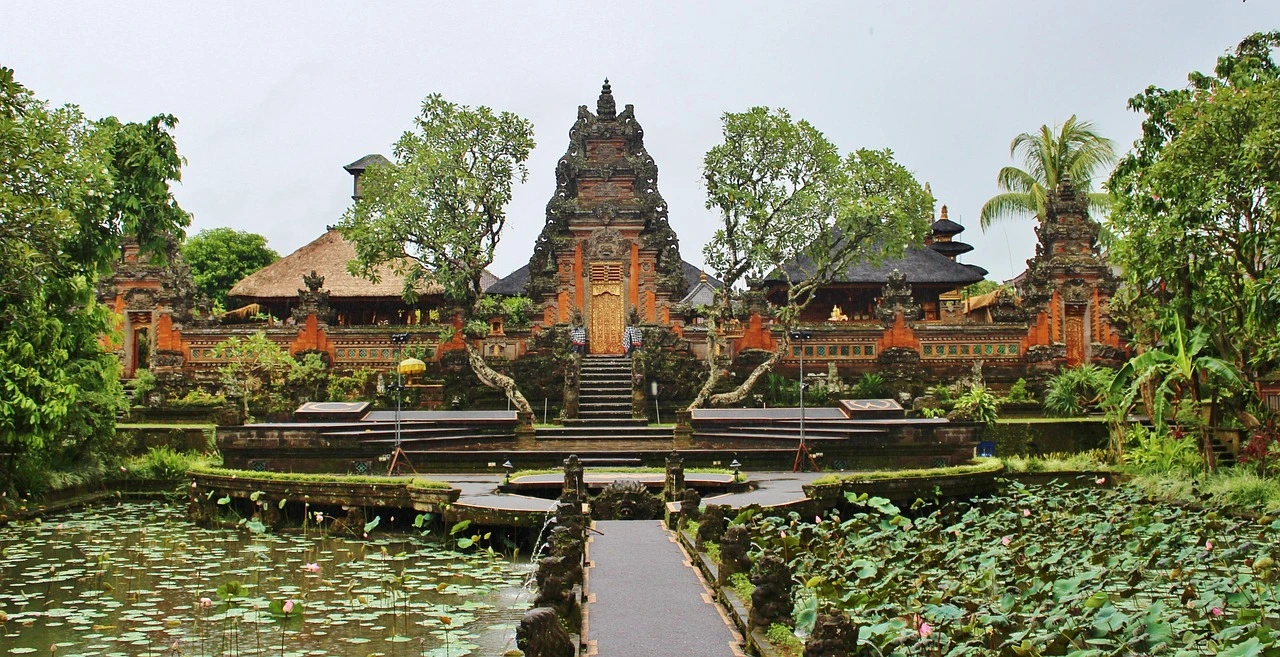
Return to central Ubud to visit Pura Taman Saraswati, one of the town’s most photographed temples. Dedicated to Dewi Saraswati, the Hindu goddess of wisdom, literature, and the arts, the temple perfectly reflects Ubud’s reputation as Bali’s cultural capital.
Its most recognizable feature is the beautiful lotus pond leading to the temple entrance, framed by elegant traditional Balinese architecture and detailed stone carvings.
Unlike larger temple complexes, Saraswati Temple is compact and easy to explore, making it an ideal final stop before enjoying the nearby cafés, art galleries, and Ubud Palace.
If you stay until the evening, you may also have the opportunity to watch a traditional Balinese dance performance held in the temple courtyard on selected nights.
Suggested visit: 45–60 minutes
Optional Stop: Pura Mengening
If you still have time and want to experience a quieter sacred site, consider visiting Pura Mengening.
Located only a few minutes from Tirta Empul, this lesser-known temple features natural spring pools used for purification rituals in a much more peaceful setting. While international visitors are welcome, the atmosphere remains primarily focused on local worship rather than tourism.
It is an excellent alternative for travelers seeking a more intimate spiritual experience.
Temple Etiquette Every Visitor Should Know
Balinese temples are active places of worship, so respecting local customs is essential.
Before entering any temple, keep these guidelines in mind:
Wear a sarong and sash, which are usually available to rent or borrow at the entrance.
Dress modestly by covering your shoulders and knees.
Never climb on shrines or sacred structures.
Avoid pointing your feet toward altars while sitting.
Speak quietly and avoid loud conversations.
Ask permission before photographing worshippers during ceremonies.
Women who are menstruating are traditionally asked not to enter temple grounds, following local religious customs.
Showing respect not only honors Balinese culture but also creates a more meaningful experience for visitors.
Best Time to Visit Ubud’s Temples
The dry season, from April to October, generally offers the most comfortable weather for exploring multiple outdoor sites.
To avoid crowds and enjoy softer lighting for photography:
Arrive at your first temple before 9:00 AM.
Visit popular sites such as Tirta Empul early in the morning.
Schedule central Ubud attractions for the late afternoon.
Weekdays are usually quieter than weekends and public holidays.
If your visit coincides with a temple festival (Odalan), you’ll have the chance to witness colorful processions, traditional music, and ceremonial offerings. While these celebrations are fascinating, visitors should always remain respectful and avoid interrupting religious activities.
Practical Tips for First-Time Visitors
A little planning can make your day much smoother.
Start early to maximize your time.
Carry cash for entrance fees and small purchases.
Wear comfortable walking shoes with good grip.
Bring drinking water, sunscreen, and insect repellent.
Expect stairs at several temple sites, especially Gunung Kawi.
Keep a lightweight rain jacket handy during the rainy season.
Hire a local driver if you’re unfamiliar with Bali’s roads and traffic.
Frequently Asked Questions
Can I visit all four temples in one day?
Yes. Starting early allows enough time to comfortably visit Goa Gajah, Tirta Empul, Gunung Kawi, and Pura Taman Saraswati in a single day.
Which temple is best for a purification ritual?
Tirta Empul is the most famous temple for melukat, the traditional Balinese purification ceremony using sacred spring water.
Do I need to wear a sarong?
Yes. Visitors must wear a sarong and sash before entering most Balinese temples. These are often provided at the entrance.
Are children allowed to visit?
Absolutely. Families are welcome, provided children respect the quiet atmosphere and temple rules.
How much time should I allow?
A full day approximately 8 to 10 hours is ideal for enjoying the itinerary without feeling rushed.
Final Thoughts
Exploring Ubud’s sacred temples in a single day offers far more than a sightseeing experience. It is an opportunity to connect with Bali’s living traditions, discover remarkable architecture, and gain a deeper appreciation for the island’s spiritual heritage.
From the ancient cave sanctuary of Goa Gajah and the holy springs of Tirta Empul to the majestic cliff carvings of Gunung Kawi and the serene beauty of Pura Taman Saraswati, each stop reveals a different chapter of Bali’s rich cultural story.
For first-time visitors, this itinerary provides a balanced introduction to the island’s history, religion, and everyday life creating memories that extend well beyond the typical tourist experience.