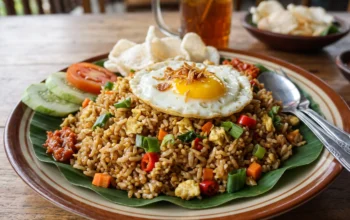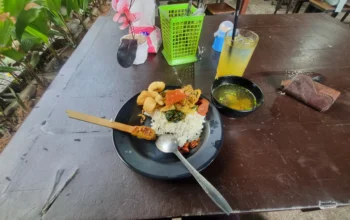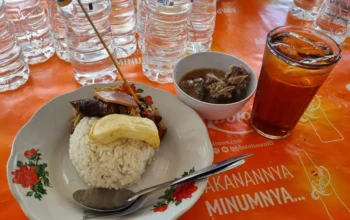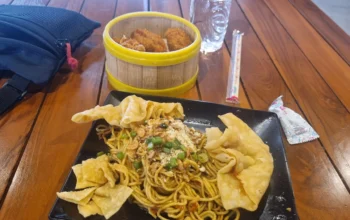


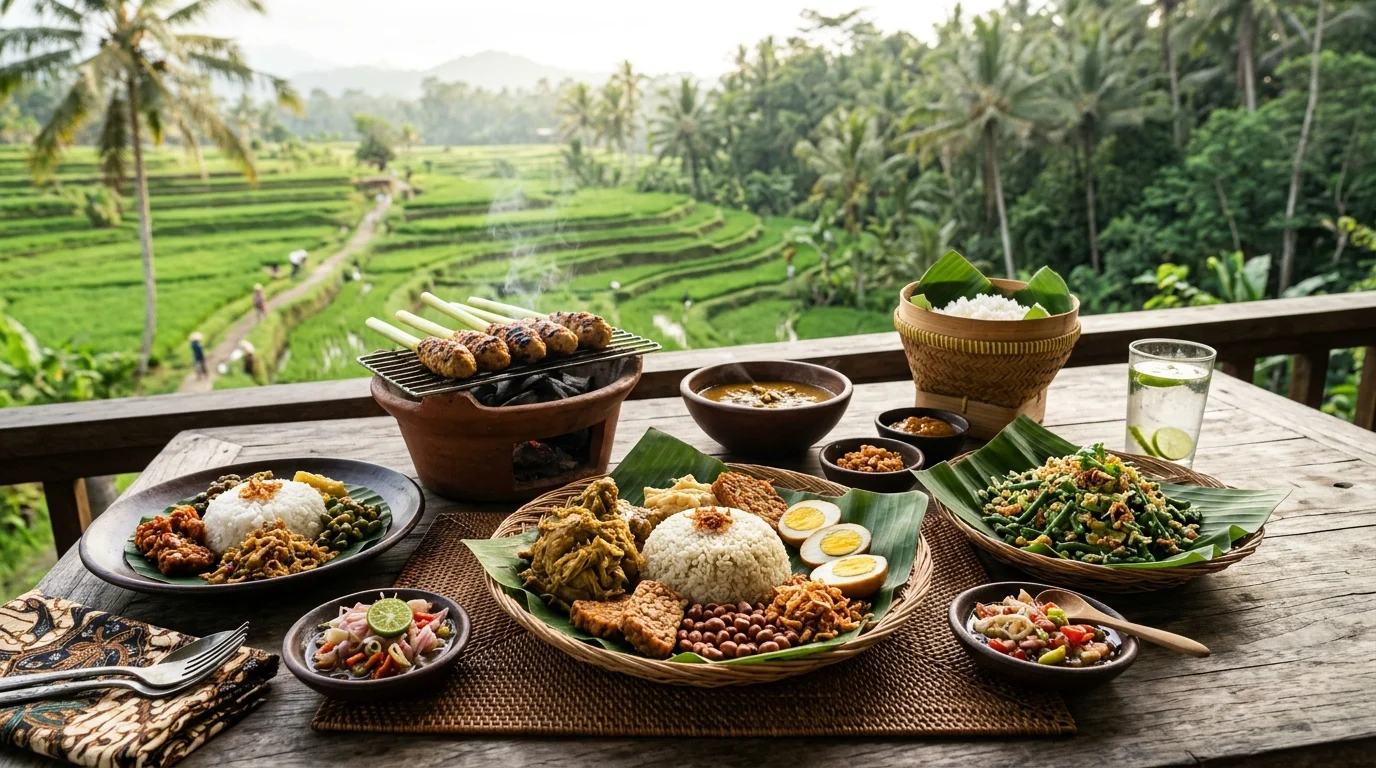
The culinary world on the Island of the Gods is transforming. If previously tourists’ interest was centered on visual cafes that prioritize photo aesthetics, now there is a real shift in trend towards authentic flavors and deep dining experiences (experiential dining). Today’s travelers increasingly crave the cultural story behind dishes, the freshness of local ingredients, and the warmth of traditional Balinese spice blends.
This dynamic is reinforced by the presence of the digital gastronomy platform Bali Good Food Guide and a series of culinary events such as SIP & SAVOUR in Jimbaran. Bali’s culinary landscape now combines legendary family warungs that have survived for decades with contemporary dining concepts based on local wisdom.
Why Are Authentic Culinary Experiences Increasingly Popular in Bali?
Bali’s gastronomy tourism is now developing into a bridge for cultural interaction with local communities. According to Antara News’ gastronomy trend study, tourists are increasingly enthusiastic about joining cooking classes in traditional villages, shopping at morning traditional markets, and hunting for authentic recipes directly at pioneering warungs.
The unique flavor of Balinese cuisine is rooted in basa genep, a basic spice blend consisting of galangal, kencur, ginger, turmeric, shallots, garlic, coriander, chili, and roasted shrimp paste. This blend is what gives the distinctive fragrant aroma to betutu, lawar, and various sate lilit.
Recommendations for Iconic Culinary Destinations: Legendary vs Modern
For those planning a culinary trip in Bali, here are four top destinations you must visit:
1. Warung Nasi Ayam Kedewatan Ibu Mangku (Ubud)
- Attraction: Operating since the 1960s, this warung is the main reference for legendary Balinese chicken mixed rice, as reviewed in Detik Food’s legendary culinary review. The atmosphere of a traditional Balinese home courtyard adds warmth to the dining experience.
- Signature Menu: Special Mixed Rice containing shredded betutu chicken, savory fried chicken, chicken sate lilit, long bean lawar, spicy pindang egg, crispy peanuts, and a pour of spiced yellow broth.
- Estimated Price: IDR 35,000 – IDR 50,000 per portion.
- Location & Visiting Hours: Jl. Raya Kedewatan No. 18, Ubud. The best time to come is 10:30 – 11:30 WITA before lunch hour.
2. Bebek Bengil Restaurant (Ubud)
- Attraction: The pioneer of crispy fried duck in Bali since 1990, located on the edge of green rice fields. Its menu recommendations and atmosphere are often a main reference for travelers in Klook’s culinary guide.
- Signature Menu: Original Crispy Duck half a duck fried crispy, served with white rice, coconut-dressed vegetable urap, and three variants of sambal: sambal matah, sambal mbe, and sambal terasi.
- Estimated Price: IDR 135,000 – IDR 165,000 per portion.
- Location & Visiting Hours: Jl. Hanoman, Padangtegal, Ubud. The best time to visit is in the afternoon from 15:30 – 17:00 WITA.
3. Muaya Grilled Seafood Center (Jimbaran Bay)
- Attraction: The sensation of dining at night on the white sand beach by candlelight with a panorama of the Indian Ocean sunset.
- Signature Menu: Jimbaran-style grilled red snapper, honey-grilled tiger prawns, battered fried squid, grilled clams, plecing kangkung, and fresh sambal matah.
- Estimated Price: A meal package for two ranges from IDR 180,000 – IDR 350,000 (or by weight at IDR 20,000 – IDR 35,000 per 100 grams).
- Location & Visiting Hours: Muaya Beach, Jimbaran. Arrive at 16:30 WITA to get a front-row table near the wave line.
4. Farm-to-Table & Open-Fire Movement (Canggu & Tabanan)
- Attraction: Modern sustainable restaurants that combine fresh organic ingredients from Bedugul farmers with seafood from coastal fishermen. The open wood-fire grilling concept delivers a distinctive smoky flavor.
- Estimated Price: IDR 90,000 – IDR 220,000 per menu item.
Summary Table of Selected Culinary Destinations in Bali
| Place Name | Concept & Atmosphere | Signature Menu | Estimated Cost (IDR) | Location | Best Time |
|---|---|---|---|---|---|
| Nasi Ayam Kedewatan | Legendary Warung | Betutu Mixed Rice & Sate Lilit | IDR 35,000 – IDR 50,000 | Ubud | 10:30 – 12:00 WITA |
| Bebek Bengil Ubud | Rice Field Panorama Restaurant | Crispy Duck & Sambal Matah | IDR 135,000 – IDR 165,000 | Ubud | 15:30 – 17:00 WITA |
| Seafood Jimbaran | Beach Sand Sunset Dining | Grilled Snapper & Plecing | IDR 180,000 – IDR 350,000 | Jimbaran | 16:30 – 19:00 WITA |
| Farm-to-Table Cafe | Modern Organic Gastronomy | Wood-fired Dishes & Fresh Salad | IDR 90,000 – IDR 220,000 | Canggu | 18:00 – 21:00 WITA |
Practical Tips & Etiquette for Culinary Tourism in Bali
- Halal Menu Selection: Some Balinese dishes feature pork (be guling). For Muslim travelers, choose betutu chicken, duck, or fresh seafood. Always ask the warung server about the spice composition.
- Get to Know the Megibung Dining Tradition: This communal eating tradition from Karangasem serves rice and side dishes on a single banana leaf tray to be eaten in groups, symbolizing togetherness and equality among people.
- Hunt for Morning Snacks at Traditional Markets: Visit traditional markets like Pasar Sindu Sanur at 06:00 – 08:00 WITA to taste fresh market snacks (jaje Bali) such as warm laklak and pisang rai at pocket-friendly prices (IDR 5,000 – IDR 15,000).
Frequently Asked Questions About Bali Culinary Tourism (FAQ)
- What is the main difference between Ayam Betutu spices and Nasi Ayam Kedewatan?
Ayam Betutu is slow-cooked with a rich basa genep spice blend until it becomes saucy and the meat is tender. Meanwhile, Nasi Ayam Kedewatan serves savory shredded chicken combined with sate lilit, peanut lawar, and sambal matah with varied textures.
- What is the average daily budget for culinary tourism in Bali?
For traditional eateries, a budget of around IDR 100,000 to IDR 150,000 per person is more than enough for three meals a day. If combined with beachfront restaurants in Jimbaran, allocate a budget of IDR 250,000 to IDR 400,000 per day.
- Do seafood warungs in Jimbaran Bay require advance reservations?
During peak holiday season, reserving a front-row table is highly recommended. On regular days, simply arrive early around 16:30 WITA before sunset.
- Is sambal matah safe for sensitive stomachs?
Sambal matah uses raw spices and lime juice. For those sensitive to spiciness and acidity, taste it in small portions first.
- Why does traditional lawar vegetable spoil quickly?
Lawar uses fresh grated coconut and wet spices without preservatives, so ideally it should be consumed within 3 to 5 hours after cooking.