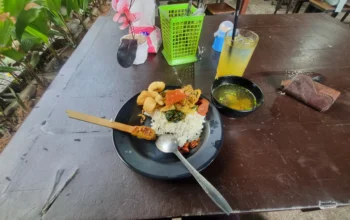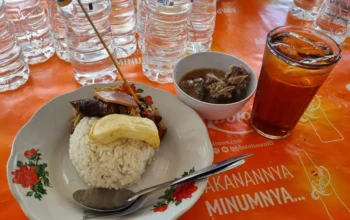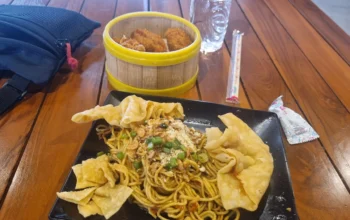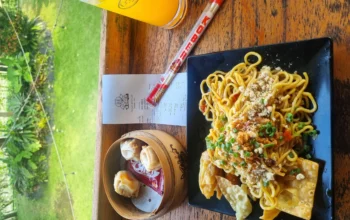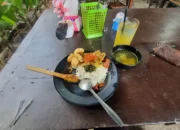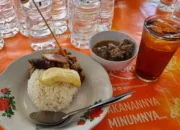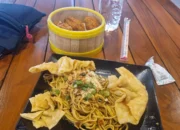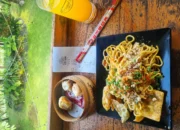


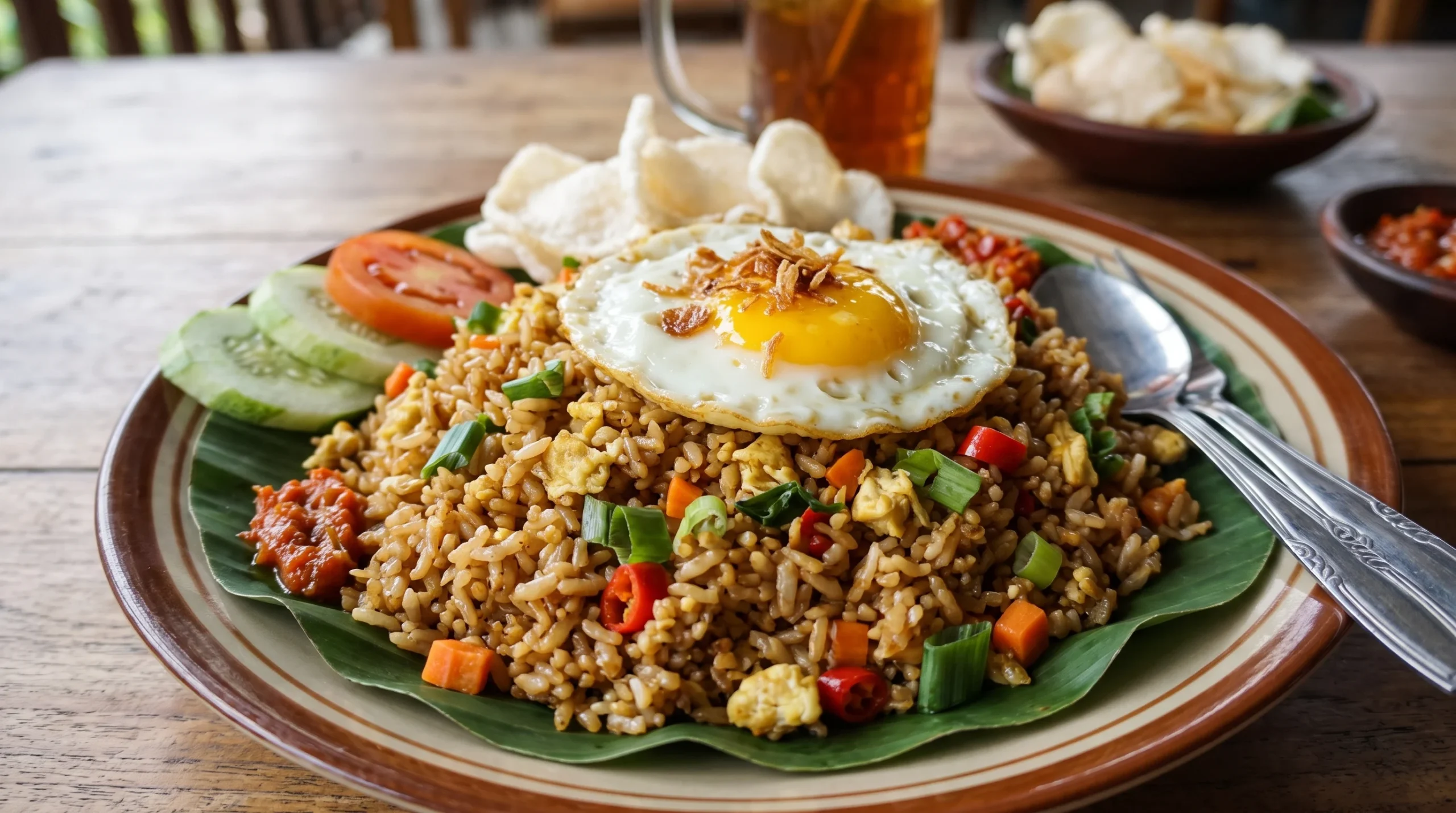
Fried rice is a dish often found in Bali and is one of tourists’ favorite menu items. There are many fried rice variants, one of which is egg fried rice. Two dishes that both use rice and eggs can give a different taste impression. One reason is the choice of soy sauce, aromatic oil, and how the fillings are arranged. Recognizing the role of each ingredient is more useful than immediately emptying the entire contents of the sauce shelf.
For menus inspired by the oriental kitchen, we can start from several elements that are easy to observe. The term oriental covers many variations of cooking, so discussion in the home kitchen should focus on the character of the chosen dish, not assume all recipes are uniform.
Understand the role of soy sauce
Soy sauce gives a different taste from sweet soy sauce. When both are used in one dish, the amounts need to be adjusted to the direction of flavor. Do not use only the color of the rice as a benchmark that the seasoning is right.
Taste after the ingredients are mixed evenly. If the side dish or other sauce is already seasoned, adding salt may need to be reduced. Adding seasoning little by little makes changes in taste easier to observe.
Treat aromatic oil as an accent
Aromatic oils such as sesame oil can give a distinctive impression in measured amounts. The goal is not to make the entire dish dominated by one aroma. Pay attention to the recipe instructions before deciding when and how much to use.
To see its application in a rice menu, Chinese fried rice can be a reference. The Sasa page calls it oriental fried rice. Read the mixture and complete stages as one example of a creation, not the single rule for all dishes in the Chinese food style.
Make egg part of the texture
Eggs can be present as scrambled, omelette pieces, or a separate side dish. Each form gives a different eating experience. Choose based on the menu you want to make and the ease of dividing it, especially when cooking more than one portion.
Prepare the components before starting to cook so the eggs do not stay in the pan while waiting for other ingredients. A portion size that fits the capacity of the equipment also helps make the stirring process more controlled.
Choose fillings that complement each other
Chicken, shrimp, and vegetables do not all need to be present on one plate. Two or three clearly chosen components can provide variation without making preparation too long. Adjust the cuts so they are comfortable to eat with rice.
Vegetables also bring texture and color. Add them following the recipe order, especially if there are ingredients that cook faster. Raw side ingredients need to be cooked through before the dish is served; do not speed up that stage just to preserve appearance.
Correct the taste before adding sauce
When the aroma is already strong but the taste is not yet balanced, pause for a moment to taste. It may be that we need to even out the seasoning or reduce the dominance of one sauce in the next attempt, not add every type of seasoning.
Sasa MSG provides a savory taste. In menus that use it, adjust it to the other components and the mixture being followed. Its role supports the taste, while the character of the soy sauce and aromatic oil still needs to be maintained.
Practice in recognizing the function of ingredients makes improvisation more directed. Start from one recipe, pay attention to the taste and texture, then change one component on the next occasion. That way, the home kitchen gains variation that is understood, not just a mixture of many sauces.