

A Leisurely Stroll to Penglipuran Village: The Cleanest Village in the World That Makes You Feel at Home
Bali truly never runs out of things to explore. If you’re starting to get bored of hot beaches or the hustle and bustle of beach clubs that wear you out, there’s a magical spot in the highlands of Bali that absolutely deserves a place on your vacation list. Its name is Penglipuran Tourism Village. Most of you have probably heard of this village before, right? No wonder—this village is not only famous nationally, but its name has gone global because of its remarkable achievements and uniqueness.
This article will thoroughly cover everything about Penglipuran Village, why this place is so special, and some laid-back travel tips for those of you planning to stop by. Let’s dive in one by one!
So, Why Is Penglipuran Village So Special?
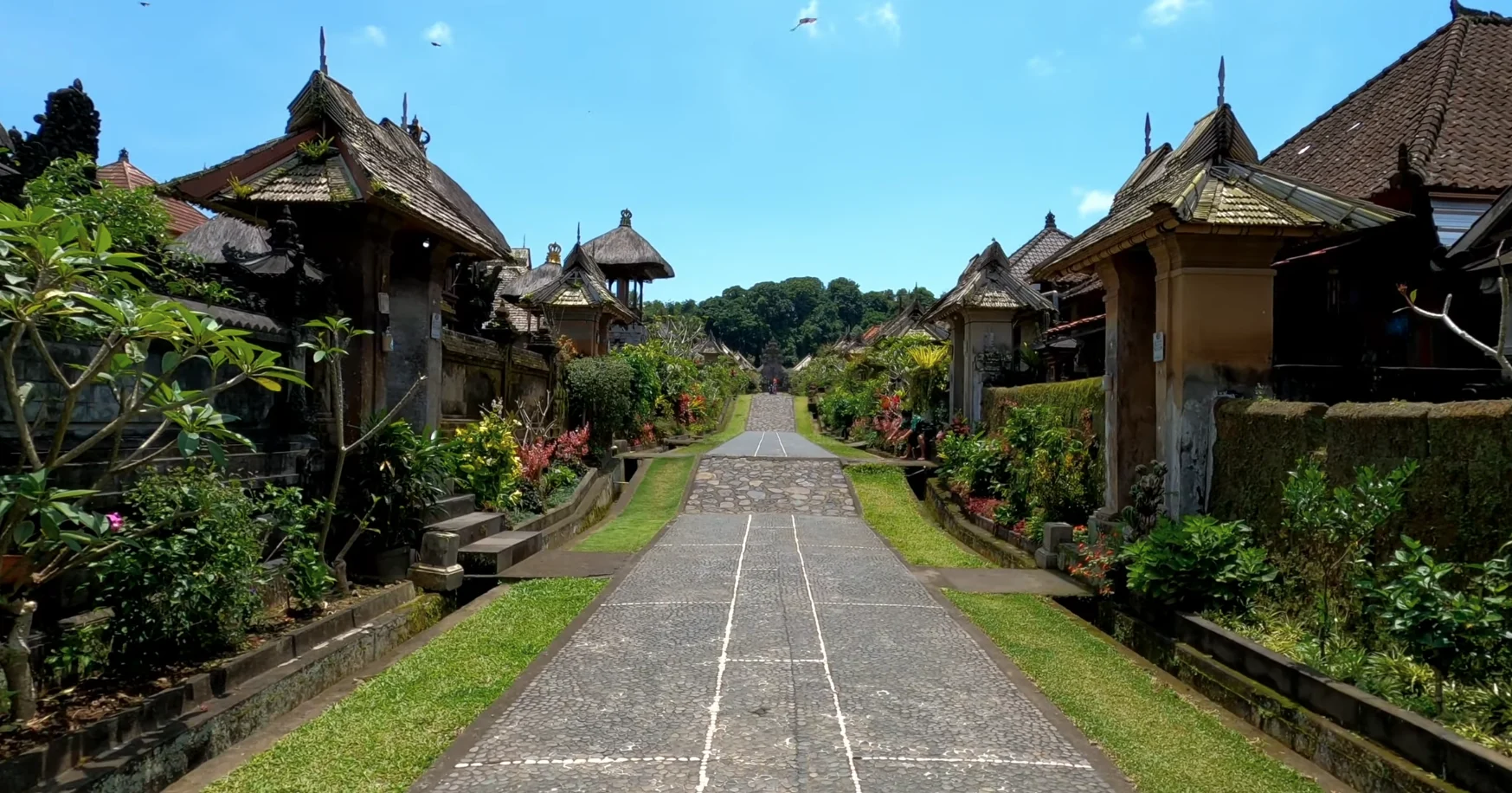
Imagine stepping into a village with an incredibly neat layout. The paths are made of natural stone, spotless without a single piece of plastic trash scattered around. All along the way, your eyes will be treated to ornamental plants and colorful flowers neatly planted in front of the residents’ houses. On top of that, because it’s located in the Bangli Regency at a fairly high altitude, the air is wonderfully cool.
The cleanliness of Penglipuran Village is no joke. This place has been named one of the cleanest villages in the world, standing alongside Giethoorn Village in the Netherlands and Mawlynnong Village in India. The residents here have an extraordinary commitment to cleanliness and environmental preservation. They have strict customary rules about waste disposal. So don’t be surprised if walking around here feels like being on a movie set because of how tidy everything is.
One more thing that makes this place special: there is absolutely no motorbike or car traffic on the village’s main street. All vehicles must be parked outside the residential area. The result? The air inside the village is one hundred percent free of exhaust fumes, very peaceful, and the only sounds you’ll hear are the relaxed chatter of visitors, the wind blowing through the leaves, or the chirping of birds. A truly perfect escape from the suffocating city life.
A Brief History and the Origin of the Name Penglipuran
Many tourists are curious, where exactly does the name Penglipuran come from? There are two versions of the story commonly shared by local residents. The first version mentions that the name Penglipuran derives from the words “Pengeling Pura.” The word pengeling means remembering, and pura means a place of the ancestors. So, this village was originally built to honor and remember the merits of their ancestors who came from Bayung Gede Village in the Kintamani area.
The second version interprets Penglipuran as a solace or a comforter of sorrow. Legend has it that during the ancient kingdom era, kings often came to this village area to calm their minds and seek peace because of its beautiful and very cool atmosphere. If you think about it, this second version makes a lot of sense. Because even now, anyone who visits here immediately feels relaxed, calm, and as if their burdens are suddenly lifted away.
Architecture and Spatial Layout with Deep Meaning
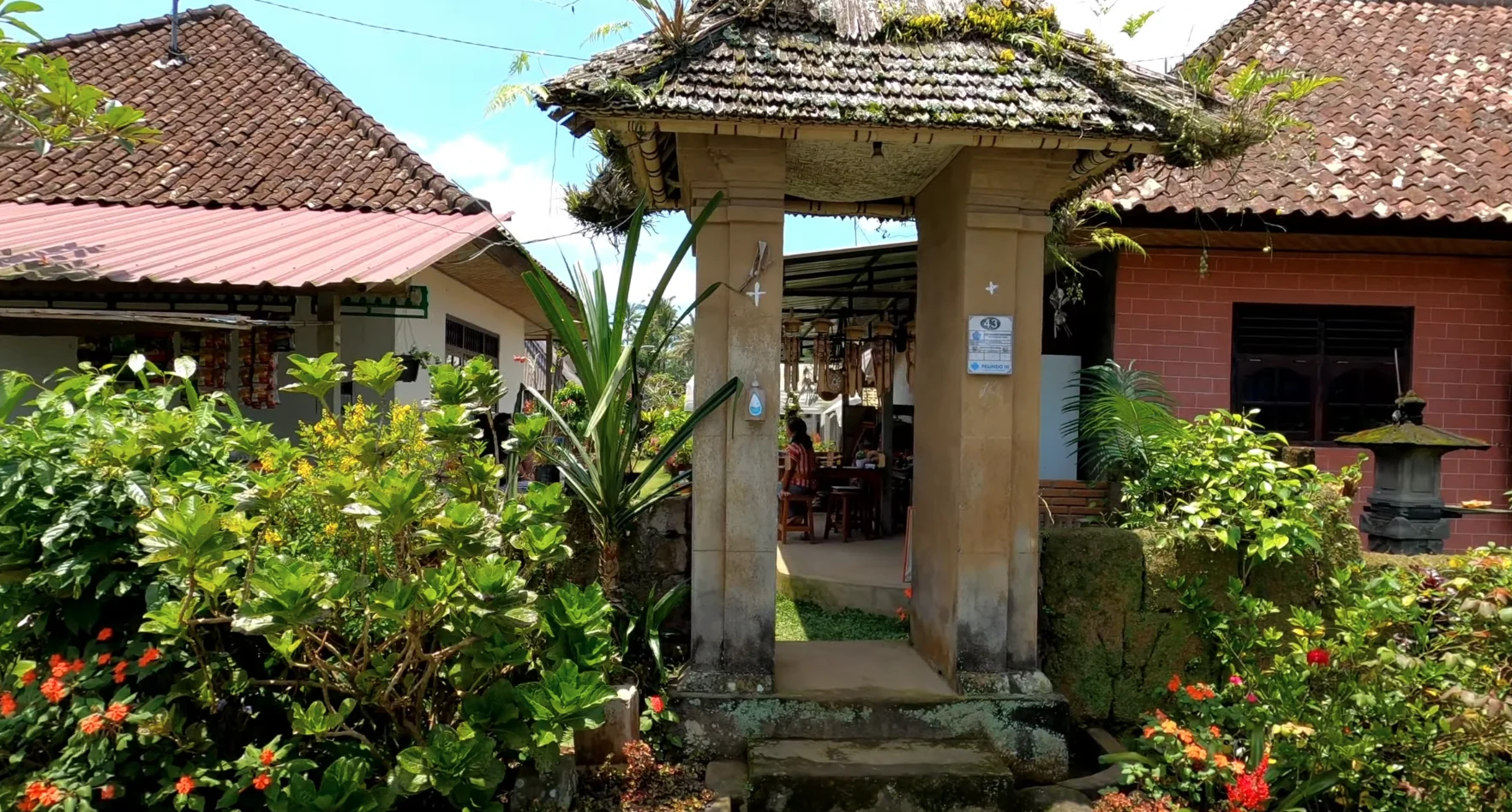
If you pay attention while walking through the village, the houses in Penglipuran are extremely uniform. Their front traditional Balinese gates, called angkul-angkul, have nearly identical sizes and designs from one end of the village to the other. Even the building materials are standardized, using a mixture of clay and bamboo roofing. Bamboo indeed is a very important element in the lives of Penglipuran residents.
The village’s spatial layout is not carelessly designed either. The community firmly holds onto the Tri Mandala concept, which divides the village area into three main parts. The northernmost part, which is the highest and most sacred, is called Utama Mandala. This is where the village temple is located for worshipping the gods.
Moving down slightly to the central part, there is an area called Madya Mandala. Now, this is the residential area where the residents sleep, carry out daily activities, and gather. Finally, in the southernmost and lowest part is Nista Mandala, which functions as the village cemetery. This layout concept makes the residents’ lives feel very balanced between their relationship with God, with fellow humans, and with the universe.
Exploring the Shady and Aesthetic Bamboo Forest
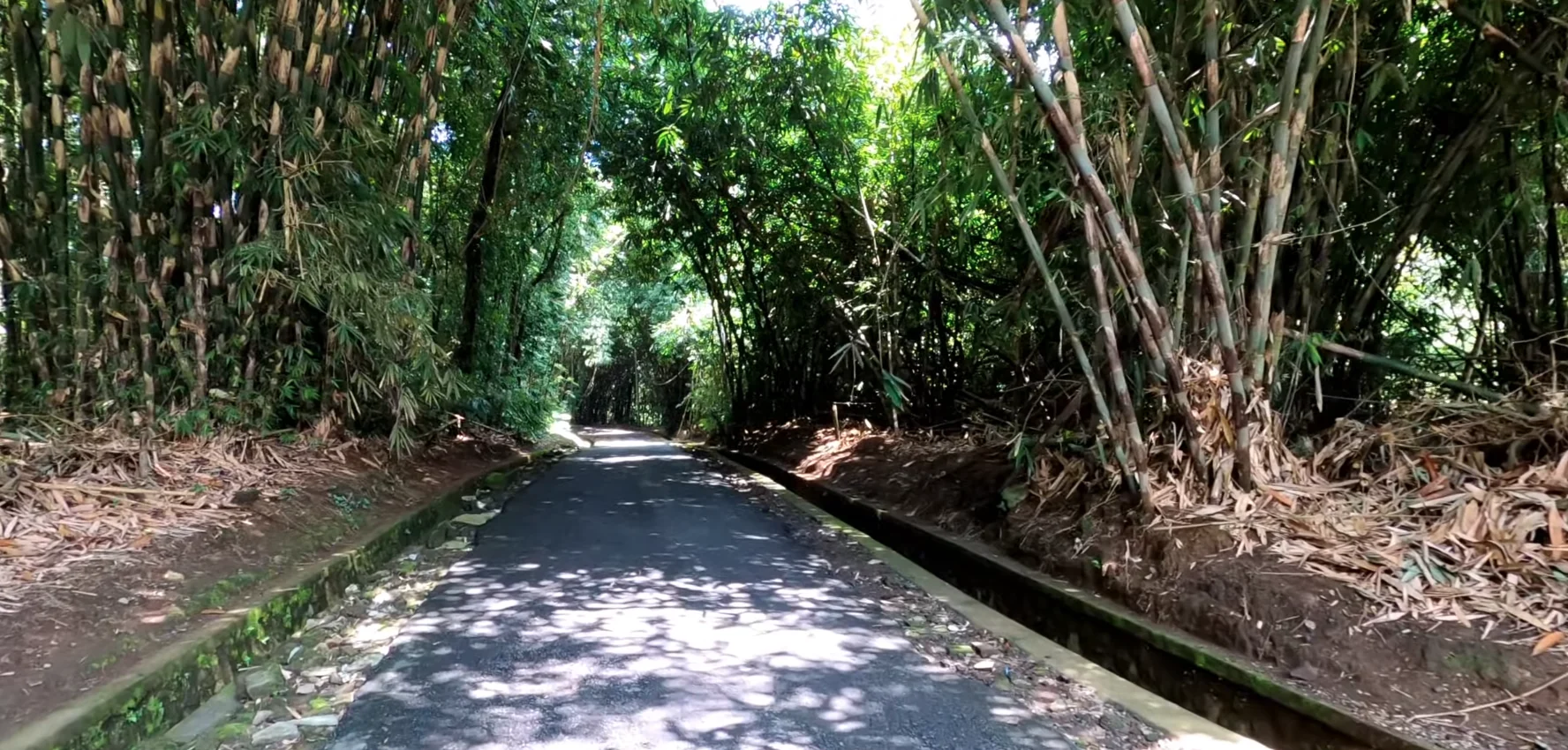
Once you’re satisfied taking photos in the residential area, you absolutely must continue your walk further north of the village (to the area behind the settlement). There, you’ll be greeted by a tens-of-hectares bamboo forest that is extraordinarily lush. This bamboo forest is not just for show or an aesthetic photo spot, you know. This forest is a vital part of the village’s lifeline and has been preserved since the time of their ancestors.
The villagers deeply respect this bamboo forest. If they need bamboo to build houses, repair roofs, or for traditional ceremonies, they cannot just cut it down carelessly. There are strict customary rules governing the right time and which bamboo stalks may be taken.
The atmosphere inside this bamboo forest is truly serene. Sunlight piercing through the gaps in the bamboo leaves creates beautiful silhouette effects that are great for capturing with your phone camera. A gentle breeze passing through makes the bamboo stalks brush against each other, producing a natural sound that relaxes the mind. You can sit for a while in the areas provided just to take a deep breath and get rid of stress.
The Unique Myth of Karang Memadu and Its Strong Moral Message
There’s one interesting thing that always successfully makes tourists curious when visiting Penglipuran, and that is the area called Karang Memadu. In this tourism village, it turns out there is a strict prohibition for the male residents against polygamy. The customary law here requires monogamy.
If any resident dares to have more than one wife, they will be ostracized by the community and forced to move from their main house. They will be placed in a special plot of land at the southern end of the village, that is in Karang Memadu. The person living in Karang Memadu will face severe social sanctions. They are not allowed to walk on the village’s main street, not allowed to participate in the residents’ traditional activities, and even strictly forbidden to enter the village temple.
This firm social punishment has proven very effective from generation to generation. Until now, the Karang Memadu land area is completely empty. Not a single Penglipuran resident dares or wants to practice polygamy. This ancient rule indirectly shows how much the villagers, since long ago, have highly respected the dignity of women and always maintained household harmony. Super cool, right?
Tasting Local Culinary Delights: Loloh Cemcem and Jaja Klepon
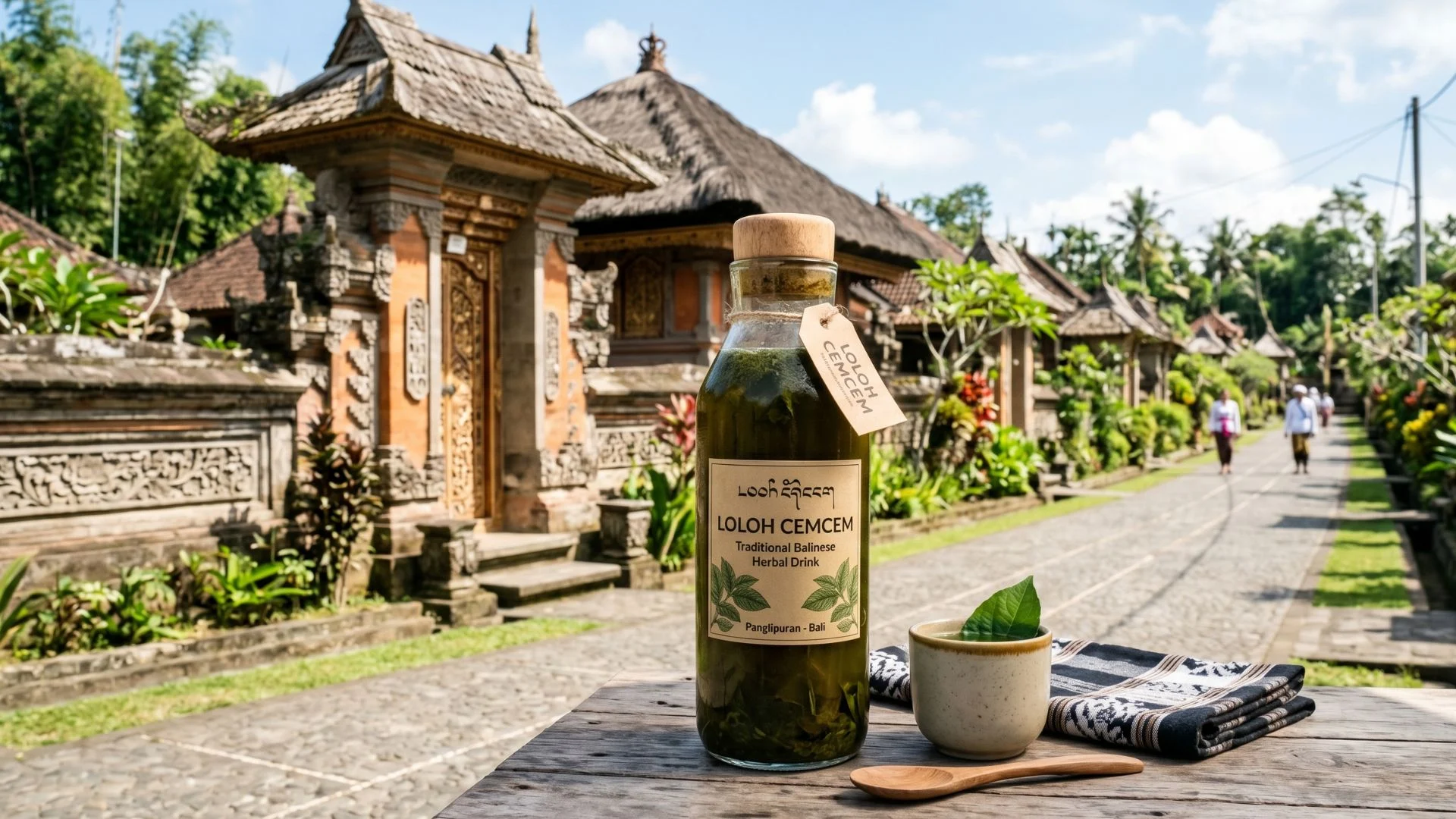
Walking around the village from end to end will definitely make your throat dry and your stomach start to rumble. Now, you don’t need to bother leaving the village to look for a convenience store. Many villagers open small stalls selling food and light drinks right in their own yards. You are welcome to enter the residents’ house yards to buy snacks while also seeing the structure of a traditional Balinese house up close. The people there are very friendly; you can chat with them casually about daily life in the village.
One local drink you absolutely must try is Loloh Cemcem. This is a kind of herbal tonic or traditional drink typical of Penglipuran that has a bright green color. Its main ingredient is juice from cemcem leaves, mixed with tamarind, palm sugar, and sometimes added with young coconut slices inside. The taste is really unique on the tongue. There’s a sensation of sweet, sour, slightly salty, and it’s very refreshing, especially when drunk cold. This traditional beverage is also believed to be great for improving digestion and making the body feel fresher.
Besides drinking Loloh Cemcem, you also shouldn’t miss trying the traditional snacks, especially Jaja Klepon. The Klepon made by Penglipuran residents has a perfect chewiness, the liquid palm sugar filling melts in your mouth when you bite it, and the grated coconut topping is very savory. Eating sweet klepon while sipping Loloh Cemcem on a villager’s cool terrace tastes absolutely amazing. This is a simple experience that will surely leave a deep impression after your vacation.
The Experience of Staying in the Village (Homestay)
Usually, many tourists come to Penglipuran only for a short visit lasting one or two hours. However, if you have a flexible schedule and more time, trying a homestay in Penglipuran Village is an extremely valuable holiday experience. Several villagers rent out rooms in their homes to tourists.
Try to imagine, you wake up in the morning greeted by the thin fog typical of the highlands, hear the sound of straw brooms from the village women sweeping their yards, and breathe in the cold but very refreshing morning air. You can also join in and observe the routines of the local residents. For example, seeing how the process of making canang sari (daily offerings for Hindus in Bali) is done, or even joining to help cook in their traditional kitchen, which uniquely still uses firewood. When night falls, the village atmosphere becomes very quiet, comfortably dark, and peaceful. This is perfect for those of you who want to detox from the hustle and bustle of the city and take a short break from gadget screens.
Tips for a Comfortable Holiday to Penglipuran Village
So that your visit to Penglipuran Village is even more fun and optimal, here are some laid-back tips you can follow:
Come in the Morning: If you want to get aesthetic photos without photobombers (without many unknown people passing by in the background), come as early as possible. The morning sunlight between 7 and 9 am is great for photos, and the air is still very fresh.
Wear Modest Clothing: Remember, this place is a traditional village whose residents still highly uphold cultural values and religious norms. Wear modest clothes that are comfortable for walking. If you want to blend in more and get good photos, you can rent traditional Balinese attire which is widely available for rent around the village entrance ticket booth area.
Prepare Cash: Even though nowadays everything is digital and uses QRIS, carrying small change in cash is still very important. This cash is useful for buying snacks, drinks, or souvenirs at the small stalls owned by village ladies that might not yet offer digital payments.
Maintain Environmental Cleanliness: This is a non-negotiable rule. Never litter in this village. If you finish eating a snack and don’t immediately see a trash bin, keep the wrapper in your pocket or bag until you find the nearest trash can. Let us, as guests, help the residents maintain this village’s cleanliness title.
Ask Permission Before Photographing Residents: If you want to photograph local residents, especially those engaged in traditional activities or praying, try to give a smile and politely ask for permission first. Most of them will happily allow it, but etiquette and politeness must always be prioritized.
Conclusion
Penglipuran Village is not just an ordinary man-made tourist attraction. Visiting this area feels like being invited to reminisce and be reminded of a simple way of life, in harmony with nature, and full of mutual respect among fellow human beings. You won’t just be taking home beautiful photos to upload to social media, but you’ll also bring home a peaceful feeling. This place gives us real inspiration on how a community can strictly guard their ancestral heritage in a world that continues to become more modern. When you travel to Bali again, spare just half a day to stop by here. Guaranteed, you won’t regret it and will even want to come back someday bringing your family.
FAQ (Frequently Asked Questions)
For those of you who still have lingering questions about your holiday plans to Penglipuran Village, please check the list of the most frequently asked questions below.
1. Where exactly is Penglipuran Village located? Penglipuran Tourism Village is located in Kubu Village, Bangli District, Bangli Regency, Bali Province. If you’re departing from Ngurah Rai International Airport or from the busy center of Kuta, the overland journey by car usually takes about one and a half to two hours depending on traffic conditions. The route towards this village is on the same way if you’re heading to the Mount Batur or Kintamani area.
2. How much is the entrance ticket to this tourism village area? The entrance ticket price to Penglipuran Village is very friendly. For domestic tourists or Indonesian citizens, the entrance fee usually ranges around Rp 25,000 for adults and Rp 15,000 for children. Meanwhile, for foreign tourists, the price is different, around Rp 50,000 for adults and Rp 30,000 for children. Make sure to bring exact change to make it easy at the ticket booth, okay.
3. Where do I park my vehicle if cars and motorbikes are not allowed inside the village? You don’t need to worry about parking. The village management and local government have provided a very spacious parking area at the front, right before the main entrance of the village. This parking area is very safe and large enough to accommodate dozens of cars, tourist minibuses, and motorcycles. From this parking area, you only need a short leisurely walk to reach the entrance gate of the village residential area.
4. What time does this village open for tourists? In general, the operational hours for tourist visits to Penglipuran Village are open from 8:00 AM to 5:00 PM Central Indonesian Time (WITA). However, this village is actually a living village where residents live their daily lives. These opening hours are focused on ticketing services and souvenir shop availability. If there is a major religious traditional ceremony, sometimes there are adjustments to the visiting hours.
5. Is this tourist spot child-friendly and elderly-friendly? Very friendly! The contour of the main road dividing the village from end to end tends to be gentle and flat, and its surface is made of very neatly and evenly laid stone paving. There are no steep steps on the main street, making it very comfortable and safe for a leisurely walk by toddlers and the elderly alike. Furthermore, because there are no motorized vehicles passing by at all, parents can be much more at ease letting their children walk and explore the village streets.
6. What are the most suitable souvenirs to buy there? This village is famous for its bamboo crafts. So, besides buying wall decorations, baskets, or bamboo weavings, you can also find traditional Balinese woven fabrics sold inside the residents’ houses. Don’t forget also to buy Loloh Cemcem in plastic bottled packaging that the residents have prepared for you to take back to the hotel. But keep in mind, this traditional drink is made without artificial preservatives, so it’s best to put it in the fridge immediately and not leave it too long at room temperature to prevent the taste from turning sour.