


When talking about Badung Regency, many people may immediately think of beaches, tourism, hotels, villas, and the lively atmosphere of Bali visited by many travelers. But behind its modern and tourism-focused image, Badung also has beautiful and meaningful cultural symbols: the jepun flower and the Sekar Jepun Dance.
Jepun Flower
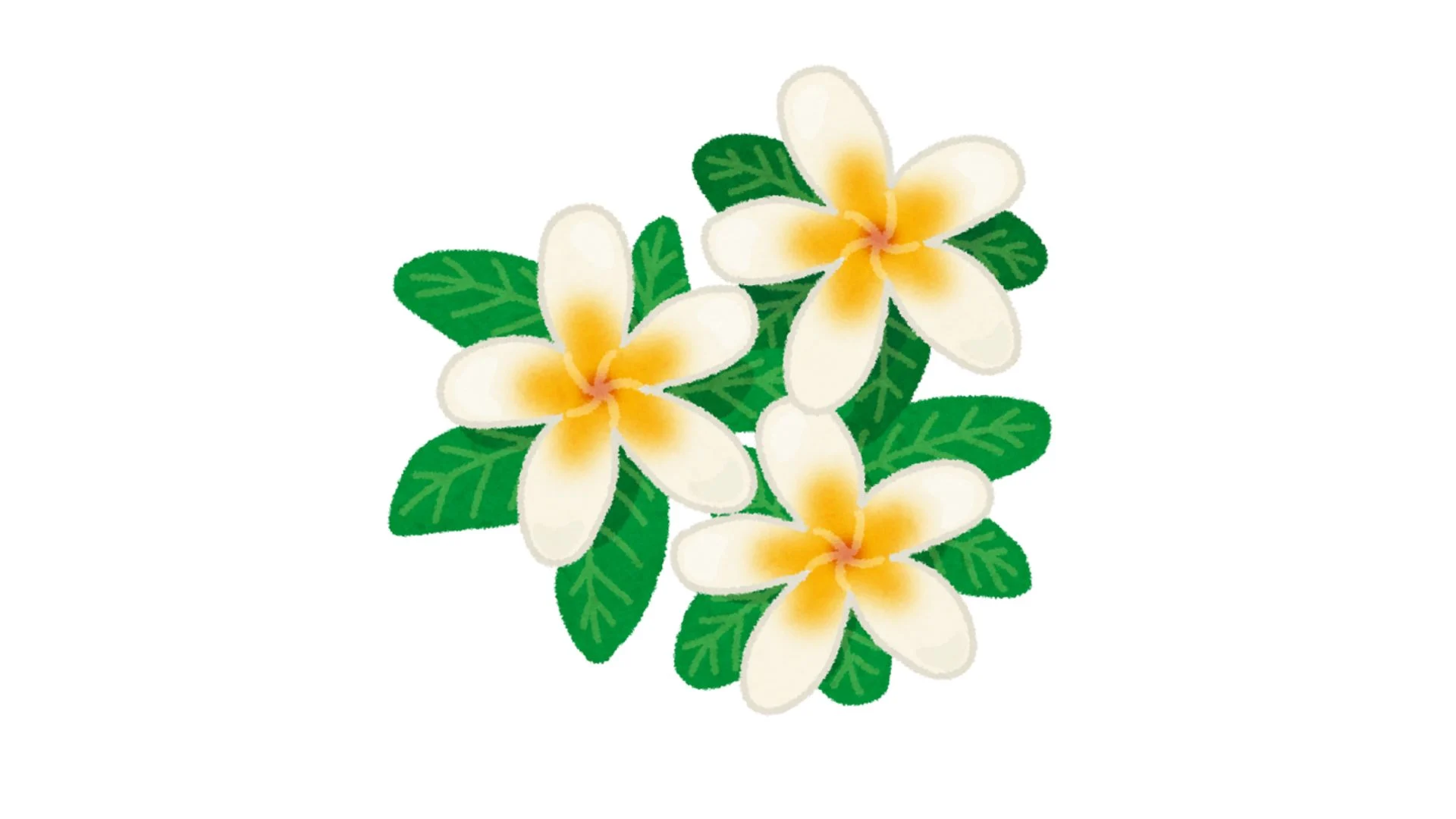
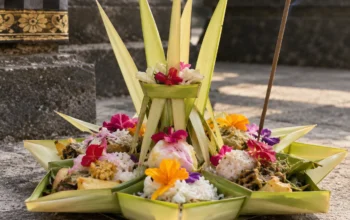
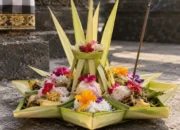
The jepun flower, often known as the frangipani flower, is very closely connected to the daily life of Balinese people. This flower can easily be found in home yards, temples, along roadsides, and in tourist areas. Its shape is simple, its colors are beautiful, and its fragrance is distinctive. In Bali, the jepun flower is also often used as an offering in Hindu prayer rituals. Because of this, the flower is not only beautiful to look at, but also holds strong spiritual and cultural value. In one study about the Sekar Jepun Dance, it is mentioned that the jepun flower is commonly found in Badung Regency, and its beauty is one of the reasons why this flower was chosen as Badung’s mascot.
As a mascot, the jepun flower represents beauty, purity, and hospitality. This flower can bloom in many places and is not too difficult to grow. From this, we can see Badung as a lively, open, and continuously developing region that still preserves its Balinese cultural roots.
Sekar Jepun Dance
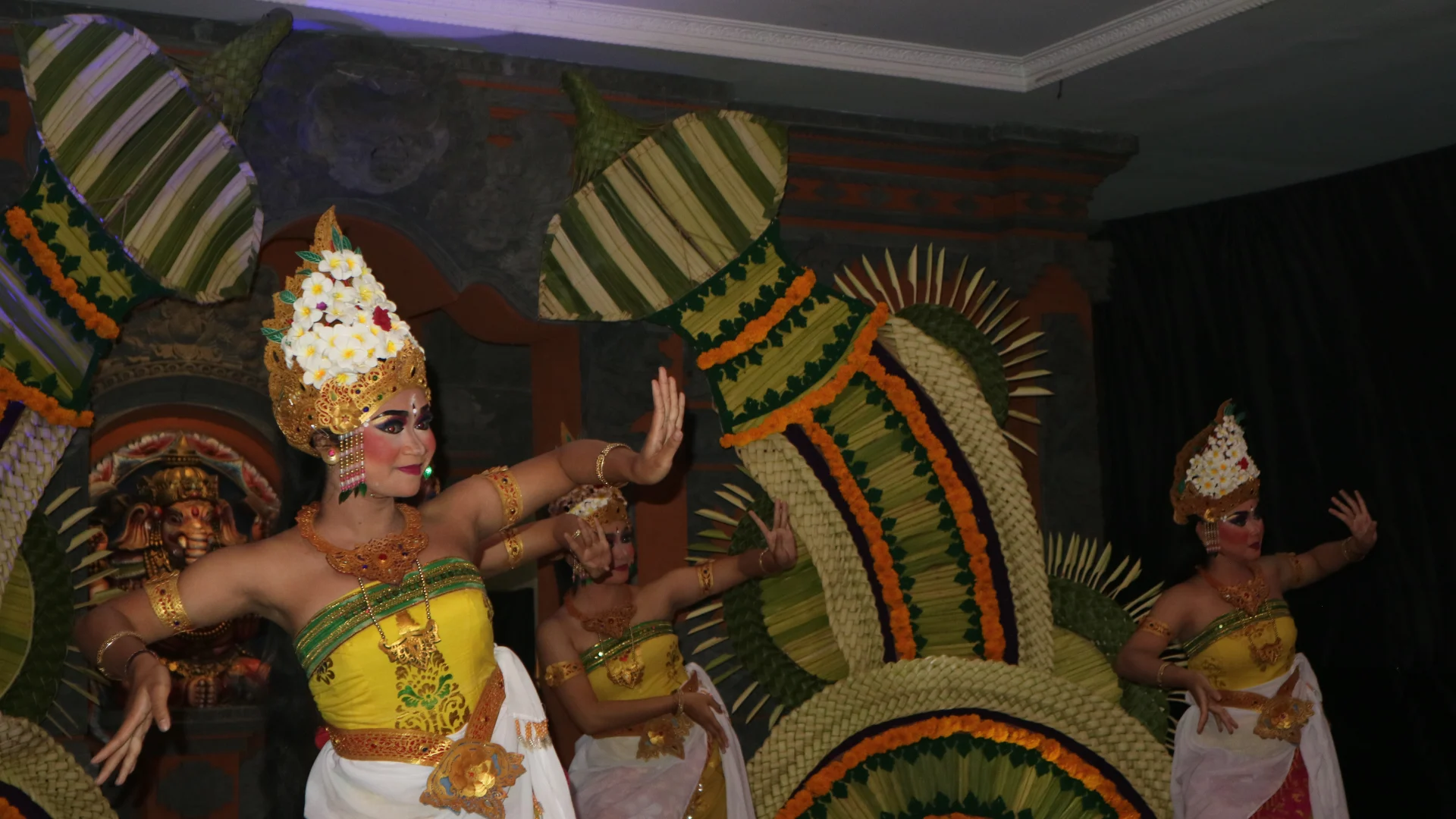
Inspired by the jepun flower, the Sekar Jepun Dance was created as an iconic dance from Badung Regency. This dance portrays the beauty of the jepun flower through its movements, expressions, costumes, and musical accompaniment. According to information from the Badung Regency village website, the Sekar Jepun Dance was created by Ida Ayu Wimba Ruspawati, SST., M.Sn, while the gamelan music was created by I Wayan Widia, S.SKar. This dance tells the story of the beauty of the jepun flower with its various colors, shapes, and patterns.
The Sekar Jepun Dance is usually performed by female dancers with movements that are soft, graceful, yet still dynamic. Each movement is designed to show the charm of a blooming jepun flower. So when watched, this dance is not only visually beautiful, but also feels deeply Balinese. It carries elements of elegance, sincerity, and respect for nature and culture.
This dance is also often performed at various official events in Badung Regency. It is not only presented as entertainment, but also as a way to introduce the region’s identity to the community and visiting guests. In a 2025 news article from Dalung Village, the Sekar Jepun Dance was described as an iconic dance of Badung Regency that tells the beauty of the jepun flower with its many colors and forms.
Interestingly, the Sekar Jepun Dance is not only about performing arts. Within it, there is a message that culture must continue to be preserved. Badung is indeed known as one of the largest tourism centers in Bali, but culture remains an important part of this region’s identity. Through the jepun flower and the Sekar Jepun Dance, Badung shows that progress and tradition can go hand in hand.
The jepun flower is a symbol that is closely connected to the everyday life of Balinese people, while the Sekar Jepun Dance is its artistic expression. The two complement each other. The jepun flower appears as a symbol of beauty and purity, while the Sekar Jepun Dance brings the meaning of the flower to life through movement, music, and emotion.
So, when we see a jepun flower in Badung, we are not only seeing a beautiful flower. Behind its petals, there is a story about the culture, identity, and pride of the people of Badung. The same goes for the Sekar Jepun Dance. This dance is not merely a performance, but also a symbol that Badung has a beautiful cultural heritage that deserves to be continuously preserved.