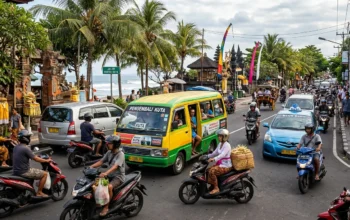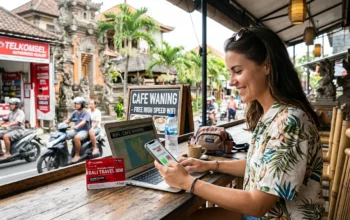



Bali is often a top choice for vacations because it offers many attractions on one island. There are beaches, rice terraces, mountains, temples, family-friendly spots, beach clubs, cafes, and areas perfect for relaxing in a peaceful atmosphere. However, for first-time visitors, planning a trip to Bali can feel a bit overwhelming.
Many people assume that all places in Bali are close together. In reality, distances between areas can be quite far, and travel time is heavily influenced by traffic conditions. Choosing the wrong accommodation location or packing too many activities into your schedule can result in spending most of your vacation time on the road.
To make your first trip to Bali more comfortable, here are some Bali travel tips for beginners that can serve as a guide.
1. Determine Your Preferred Vacation Style
Before booking tickets and accommodation, decide what type of vacation you want. Each area in Bali has a different atmosphere and character.
If you like beaches, restaurants, shopping centers, and a lively atmosphere, areas like Seminyak, Legian, or Kuta could be your choice. For a modern vibe with many cafes, sports facilities, and beach clubs, consider Canggu or Berawa.
Ubud is more suitable for travelers who want to enjoy green scenery, culture, art, rice paddies, and activities like yoga. Meanwhile, Sanur is often chosen by travelers seeking a more relaxed and family-friendly atmosphere.
Areas like Uluwatu and Pecatu are ideal for enjoying beaches beneath cliffs, ocean views, and sunsets. Bali is indeed known for its combination of beaches, culture, temples, rice terraces, and various tourist activities.
Choosing an area based on your vacation style will make your trip more practical and reduce time wasted on the road.
2. Don’t Pack Too Many Places into One Day
A common mistake made by beginner travelers is creating an overly packed schedule. In one day, they want to visit Ubud, Kintamani, Canggu, and Uluwatu all at once.
In theory, it might seem possible, but in reality, the trip can be exhausting. Travel times that look short on the map may not match actual conditions. Traffic jams can occur in several tourist areas, especially during meal times, afternoons, weekends, and holiday seasons.
For a more relaxed vacation, visit two to three places that are along the same route. For example, spend one day exploring Ubud and its surroundings. The next day can be used to enjoy the Seminyak or Canggu area.
With a less packed schedule, you’ll have more time to enjoy each place without rushing.
3. Choose the Right Time for Your Vacation
Weather is one factor to consider before coming to Bali. Generally, the rainy season in Indonesia lasts from around October to March, while the drier period usually occurs in the following months. However, weather patterns can change, so it’s best to check the latest forecast before departure.
The drier season is suitable for outdoor activities like visiting beaches, trekking, seeing rice terraces, or enjoying sunsets. The downside is that some periods during this season also coincide with holiday seasons, so ticket and accommodation prices may increase.
Vacationing during the rainy season can still be enjoyable. Rain usually doesn’t fall all day long. Just prepare a small umbrella, raincoat, comfortable sandals, and backup plans for indoor activities.
4. Book Accommodation According to Your Travel Plans
The location of your accommodation greatly affects your comfort during the vacation. Don’t choose a hotel or villa just because it’s cheap or has nice photos. Also consider its distance from the places you want to visit.
If most of your itinerary is in Seminyak and Canggu, it’s best not to stay too far in the southern or northern parts of Bali. The same applies if your main destination is Ubud. Staying closer to the center of activities can save time, energy, and transportation costs.
Before booking, read the accommodation description thoroughly. Check the number of rooms and beds, kitchen facilities, swimming pool, parking area, road access, check-in and check-out times, and cancellation policy.
Also read recent reviews from previous guests. Pay attention to comments about cleanliness, staff service, environmental conditions, noise, and location suitability.
5. Decide on Transportation Early
There are several transportation options available while in Bali, such as scooters, ride-hailing taxis, rental cars, or cars with drivers.
Scooters are suitable for short distances and travelers who are used to riding. However, don’t force yourself to rent a scooter if you lack experience. Crowded roads, narrow alleys, rain, and different traffic conditions can be challenging for beginner riders.
For families or groups, renting a car with a driver is usually more comfortable. You don’t have to worry about directions, parking, or road conditions. Discuss the duration of use, travel routes, additional costs, and whether the price includes fuel from the start.
When using ride-hailing taxis, make sure the pickup point is correct. Some tourist attractions, hotels, or certain areas have designated waiting areas for vehicles.
6. Prepare a Budget Higher Than Your Initial Estimate
Besides tickets and accommodation, there are several expenses that are often overlooked. Examples include transportation from the airport, entrance fees to tourist attractions, parking, food, activity costs, equipment rental, and souvenir shopping.
Create a daily budget for meals, transportation, and activities. Add a reserve fund for unexpected needs. Don’t rely entirely on cash. It’s best to use a combination of cash and non-cash payments.
Cash is still useful for paying parking, small food stalls, traditional markets, tips, or other small expenses. Keep your money and cards in different places to reduce the risk of losing everything at once.
7. Wear Comfortable and Appropriate Clothing
The weather in Bali is generally warm and humid. Wear light, breathable, and comfortable clothing for walking. Bring sandals, non-slip shoes, a hat, sunscreen, and a water bottle.
If you plan to visit temples or sacred places, wear modest clothing. Some places provide or rent sarongs and sashes for visitors. Follow the rules given by the staff and avoid entering prohibited areas.
Bali is not just a vacation destination; it is also a home for locals with traditions and religious activities that are still practiced daily. Respecting local rules is an important part of the travel experience.
8. Respect Ceremonies and Local Community Life
While walking, you may see offerings or canang sari placed in front of houses, shops, entrances, or businesses. Watch your step to avoid accidentally stepping on them.
If you encounter a traditional or religious ceremony, do not obstruct the activity just to take photos. Keep your distance, speak softly, and ask for permission before taking close-up photos of someone.
Use polite language when speaking with accommodation staff, drivers, vendors, and locals. A friendly and respectful attitude will make your trip much more enjoyable.
9. Keep Your Personal Belongings Safe
Bali is generally a busy tourist destination, but travelers still need to keep an eye on their personal belongings. Avoid leaving your phone, wallet, camera, or bag unattended.
Use the safe if available at your hotel or villa. When driving, don’t hold your phone in your hand to look at maps. Stop in a safe place or use a phone mount.
Store copies of important documents, booking numbers, accommodation addresses, and emergency contacts on your phone. It’s even safer to also save them online so they remain accessible if the originals are lost.
10. Check the Latest Travel Requirements
Domestic travelers should bring a valid ID and ensure the data on their tickets matches. For foreign travelers, the type of visa and required documents may vary based on nationality and length of stay.
The official Indonesian Immigration eVisa website provides information on visa options and travel documents. The official Indonesian system also requires filling out an arrival card within three days before arrival. Since regulations can change, always check the latest information on official websites before departing.
Foreign tourists visiting Bali are also subject to a foreign tourist levy of IDR 150,000 per person. Payment can be made through the official Love Bali channel.
11. Don’t Only Visit Viral Places
Viral places are indeed attractive, but they are usually more crowded and require queuing. It’s okay to visit famous spots, but also set aside time to enjoy simpler experiences.
You can try eating at a local warung, take a leisurely walk around your accommodation, enjoy a traditional massage, watch the sunset at the beach, or chat with villa staff about interesting places nearby.
Often, simple moments become the most memorable parts of a vacation. Not every activity needs to result in a photo for social media.
12. Leave Time to Rest
Vacations should refresh your body and mind. Don’t schedule activities from morning to night every day. Leave one day or half a day to rest at the villa, swim, enjoy a leisurely breakfast, or take a walk around the accommodation.
If traveling with family or a group, discuss the schedule before departure. Not everyone has the same energy levels and interests. Plan some joint activities but also give free time for each group member.
Conclusion
Your first vacation to Bali doesn’t have to be overly complicated. Start by determining your vacation style, choosing suitable accommodation, making a region-based itinerary, and arranging transportation early.
Avoid packing too many destinations into one day. Allow enough time to enjoy the places you visit, rest, and understand the local culture. With simple but thorough planning, your first trip to Bali can be more comfortable, safe, and memorable.