

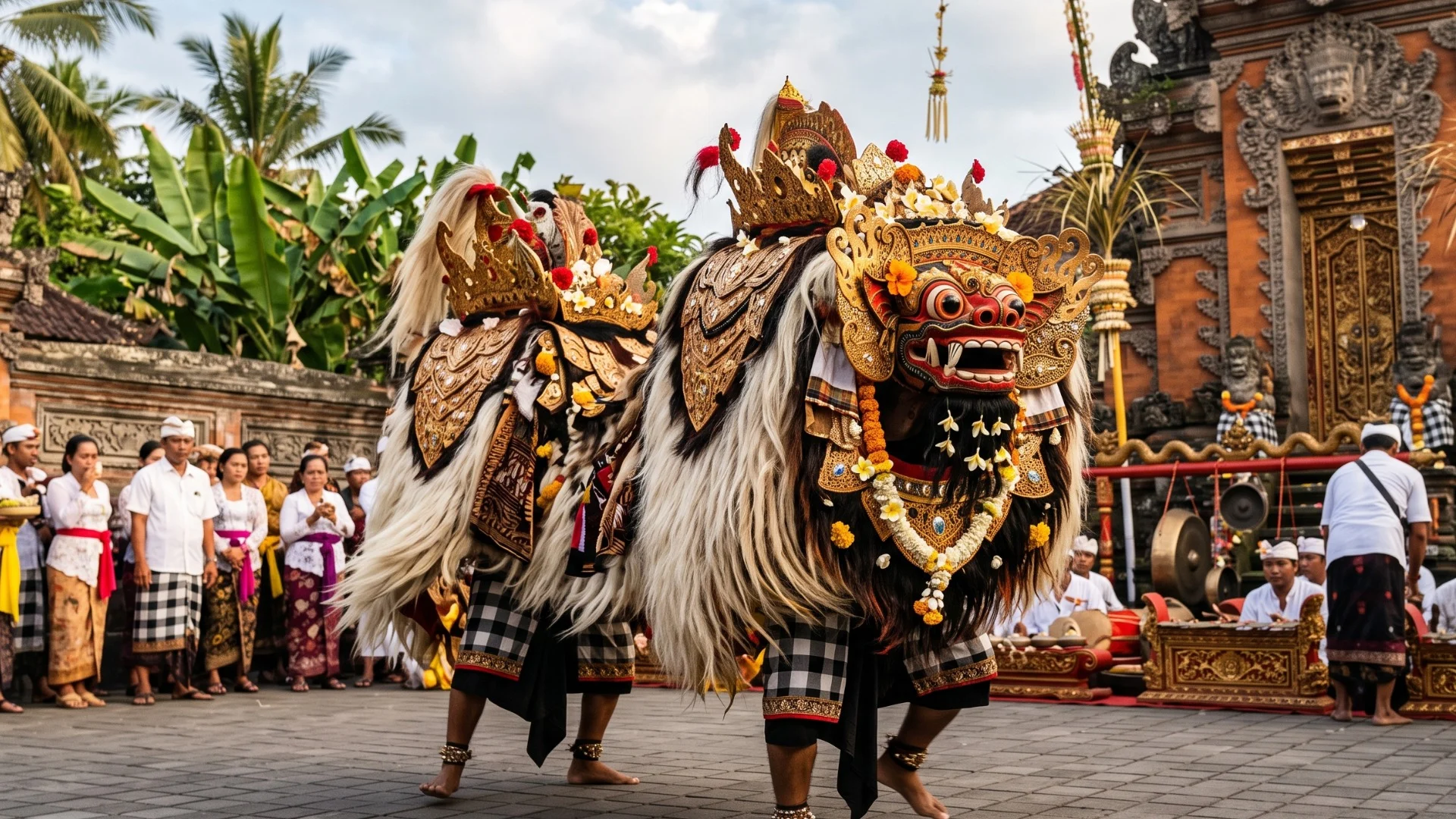
Talking about Bali is indeed endless. Besides its exotic beaches, Bali always captivates everyone with its rich culture. One of the most iconic cultural symbols that immediately reminds us of the Island of the Gods is Barong. If you are traveling in Bali, you will often see the form of Barong, from dance performances, statues in temples, to souvenir t-shirts. But what is the actual meaning behind this seemingly magical figure? Let’s discuss it deeper!
What is Barong Bali?
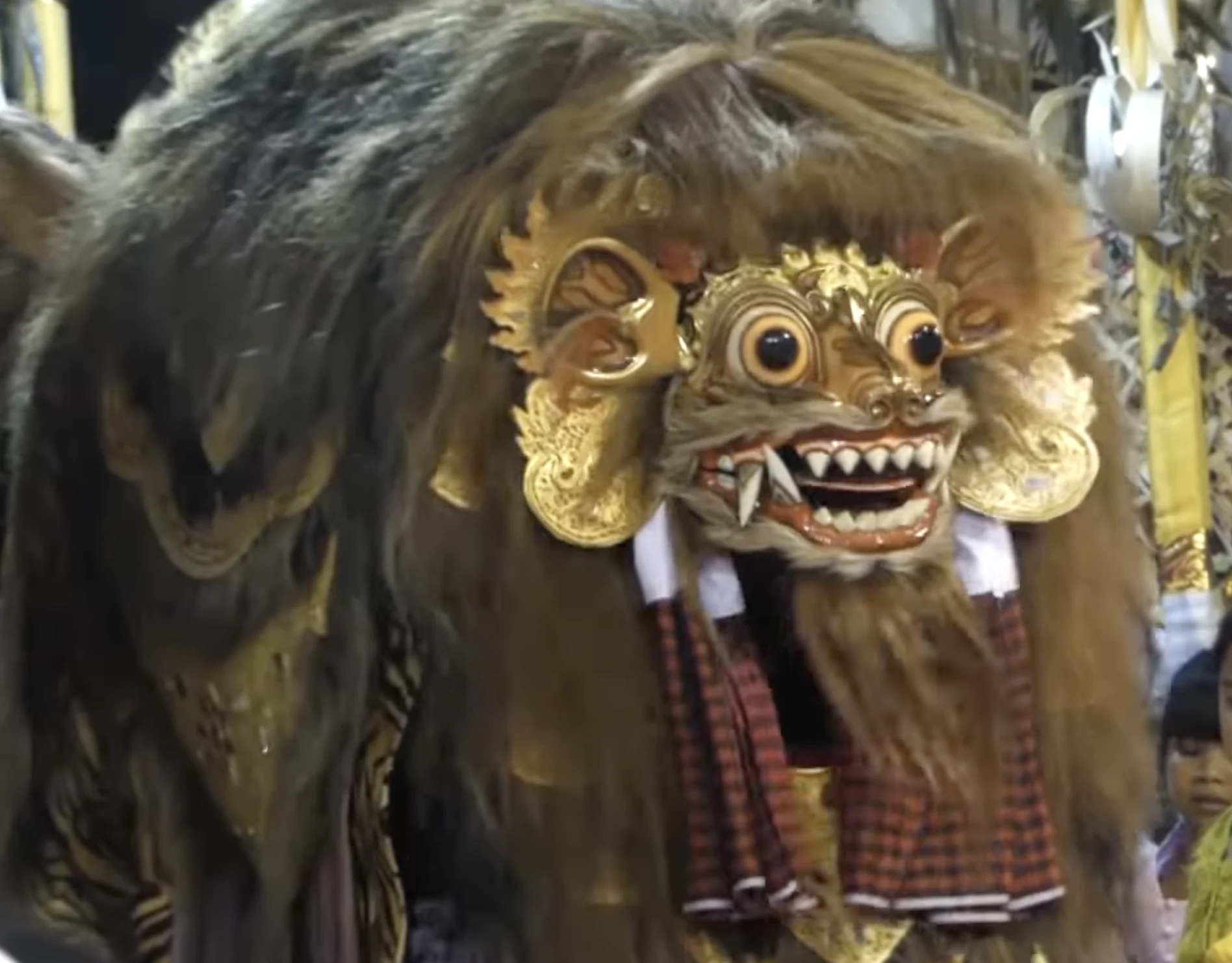
In short, Barong is a mythological figure in Balinese culture. Its form is often depicted as a four-legged creature with a fierce yet dignified mask. Although its face looks frightening, Barong is actually a personification of positive energy and goodness. For Balinese Hindus, Barong is considered the king of good spirits and a guardian angel tasked with protecting the village from evil spirits or negative energy.
Origins and Philosophical Meaning of Barong
Historically, the Barong tradition is believed to have existed even before Hinduism entered Bali. At that time, local communities had animistic beliefs and worshiped certain animals considered to have supernatural powers as their protectors. After Hindu culture developed, this concept acculturated and gave birth to the figure of Barong as we know it today.
Philosophically, the existence of Barong cannot be separated from the concept of Rwa Bhineda. This is a local Balinese concept that believes that in this world there are always two opposing things that create balance, such as day and night, right and wrong, and good and evil. In this context, Barong represents goodness (Dharma) which will always face Rangda, the witch queen representing evil (Adharma). Their battle is not about who wins or loses, but about how to keep the world in balance.
Types of Barong in Bali
Many tourists think that Barong only has one form. In fact, there are many types of Barong in Bali, each with its own characteristics and sanctity for the local community.
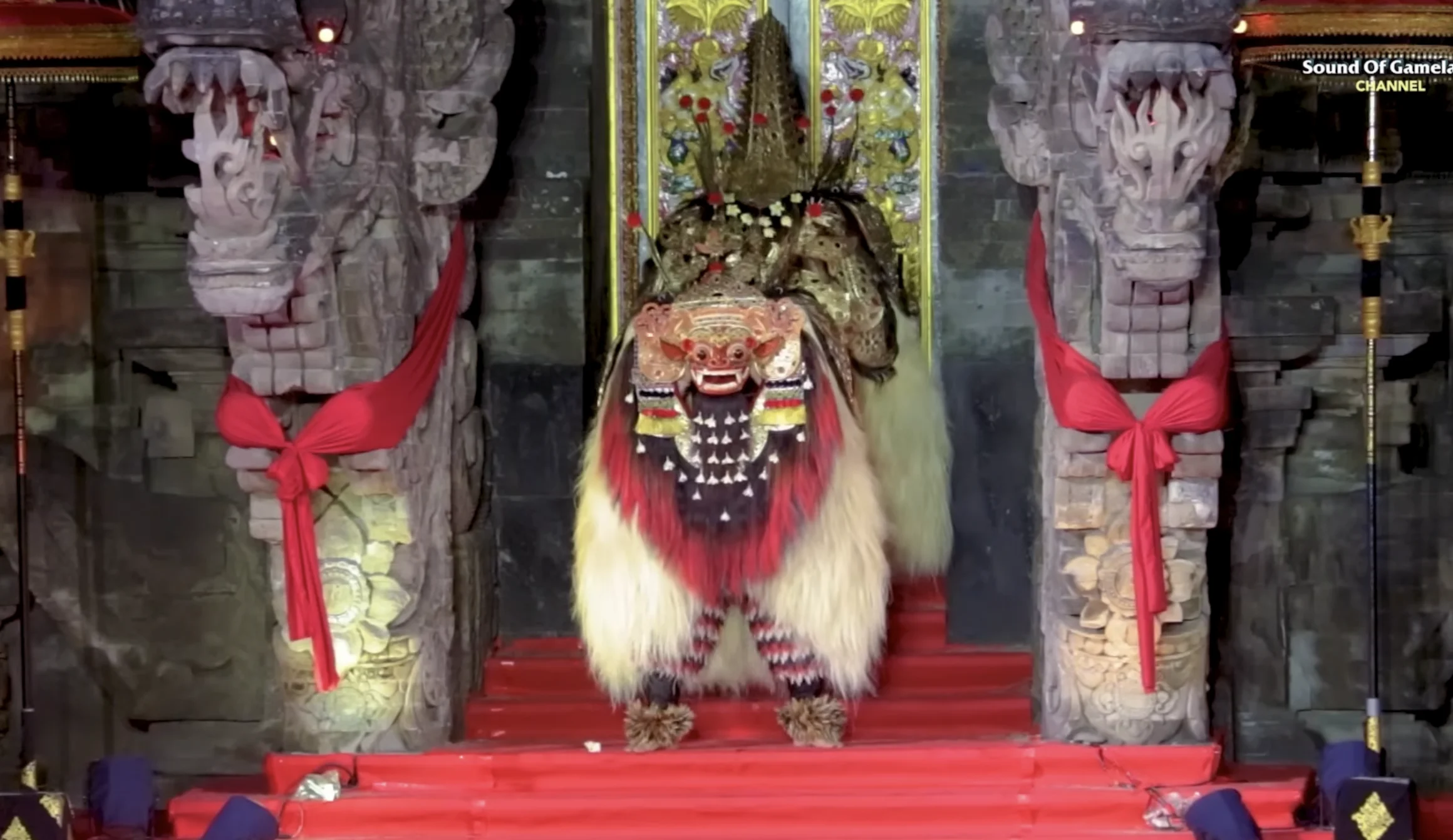
Barong Ket: This is the most common type of Barong you see in tourist performances. Its form is a combination of a lion, tiger, and cow, adorned with magnificent leather ornaments and mirrors.

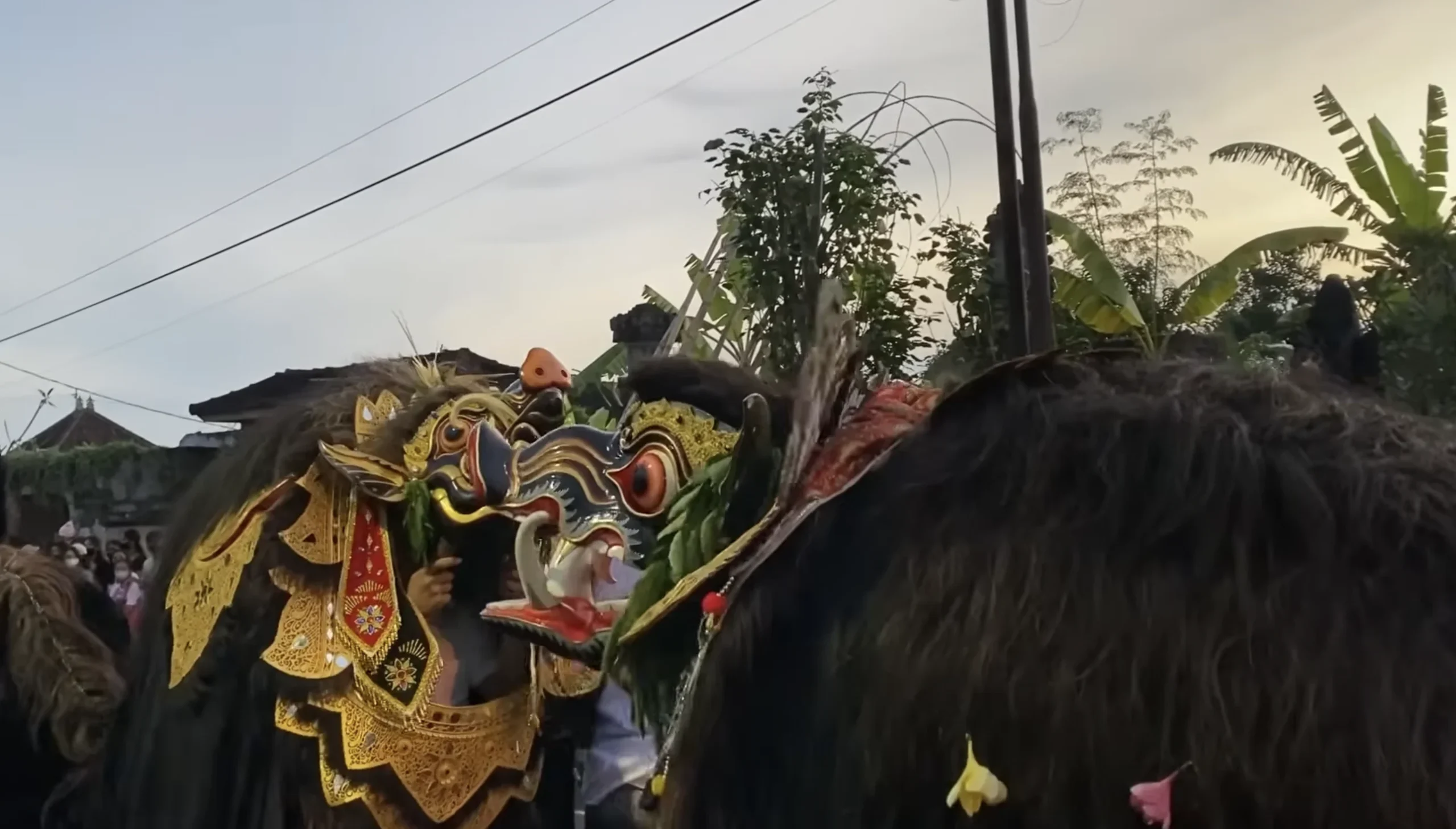
Barong Bangkal: This Barong resembles an adult male wild boar. In Bali, large wild boars are called bangkal. This type of Barong is usually danced around the village on certain holy days.

Barong Macan: As the name suggests, this Barong resembles a tiger. The costume is made of fabric with a striped pattern similar to tiger fur.

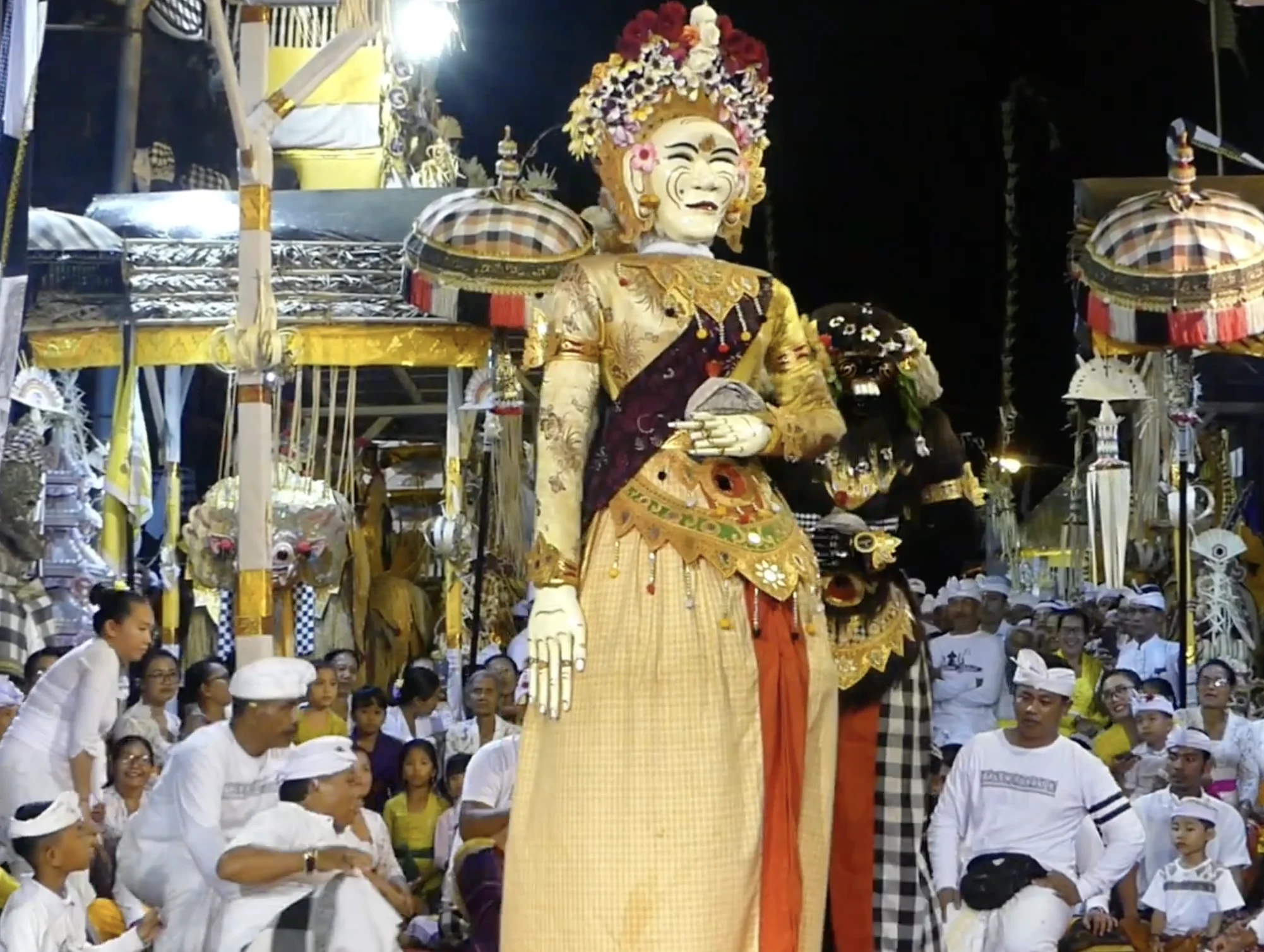
Barong Landung: Unlike other types, Barong Landung has a tall, large human form, similar to Ondel-ondel in Jakarta. They usually appear in pairs, namely Jero Gede (a scary black figure) and Jero Luh (a female figure with slanted eyes).

Barong Dance: A Must-See Cultural Performance
Watching the Barong Dance live is a magical and entertaining experience. As the performance begins, you will be greeted by the dynamic and lively sounds of the Gong Kebyar or Semar Pegulingan gamelan. This music sets the tempo for the agile and humorous movements of the Barong dancers.
The main storyline usually focuses on the eternal feud between Barong and Rangda. One of the most thrilling moments is when the Barong’s followers experience trance. They will stab sharp keris into their own chests with full force, yet somehow, they are not injured at all thanks to the magical protection of Barong. This magical appeal always amazes tourists worldwide when watching it.
The Function of Barong in Balinese Traditional Ceremonies
For the Balinese people, Barong is not just entertainment or artistic property. Barong kept in village temples is considered a sacred object of high spiritual value.
In religious rituals, there is a tradition called Ngelawang. This tradition is usually performed on Galungan and Kuningan holidays, where Barong is paraded around the village by young men. The function of this ritual is to ward off disease, repel misfortune, and cleanse the village from negative vibrations. The presence of Barong in the community provides a sense of spiritual security.
Where to Watch Barong Dance in Bali?
If you are interested in watching this extraordinary performance, there are several popular areas in Bali that are centers for these performances.
Batubulan: This area is the most famous place to watch Barong Dance for tourists. Performances here are usually held every morning, making it a perfect first agenda before you explore central or northern Bali.
Ubud: In this center of Balinese art, Barong Dance performances are usually held in the afternoon or evening at several places such as Ubud Palace or nearby temples, complete with Ubud’s serene atmosphere.
Gianyar: Besides the two places above, several art studios and traditional villages in Gianyar Regency also regularly hold these performances.
Tips for Watching Barong Bali Performances
To make your viewing experience enjoyable while respecting local customs, it’s good to pay attention to the following tips.
Arrive Early: Morning performances in Batubulan usually start around 09:30 WITA. Arrive 30 minutes earlier to get the most comfortable front-row seat.
Dress Modestly: Although this is a tourist performance venue, the performance area is often located in a sacred environment. Wear modest and covered clothing.
Maintain Calm: During magical scenes like the keris dance, try not to make noise or use bright camera flash that could distract the dancers’ concentration.
Respect Local Rules: Always follow the instructions of the guide or pecalang (Balinese traditional security officers) on site.
Why is Barong Bali Important to Preserve?
Barong Bali is not just a heritage from the past, but a living identity that continues to pulse in the veins of Balinese society today. Preserving the Barong tradition means we help maintain the values of goodness, mutual cooperation, and life balance that have been taught for generations.
For the younger generation of Bali, Barong is a medium to continuously hone artistic creativity, from learning to play the gamelan, dance, to mask carving. For the world, Barong is proof of the unparalleled beauty of tolerance and Indonesian culture. Our task now is to continue appreciating it in the right way, so that the majesty of this Protector can still be enjoyed by future generations.