

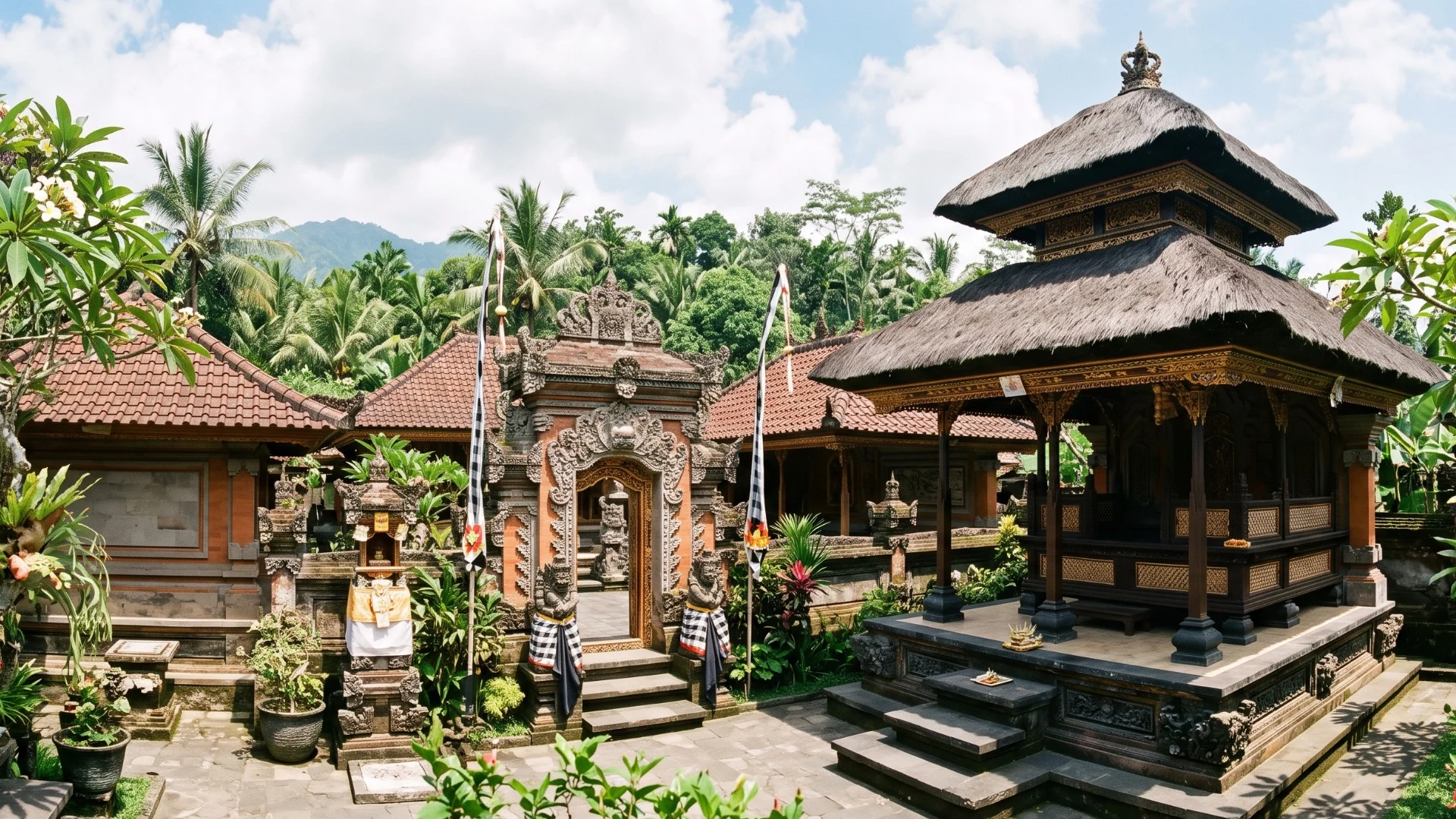
Have you ever walked around Bali, entered a local residential area, and felt the atmosphere was completely different? The design is very distinctive, full of carvings, large gates, and the yard layout looks very neat. Well, all of that is not just built for aesthetics, you know. All of it is part of the concept of a Balinese traditional house.
Traditional houses in Bali have a uniqueness rarely found in other regions. The buildings do not stand under one large roof like modern houses in general, but are divided into several small pavilions that each have their own function within one compound.
Let’s get to know more about the philosophy and unique parts of a Balinese traditional house through a casual chat below!
Main Philosophy: More Than Just a Place to Live
For the Balinese people, building a house is an art and cannot be done carelessly. There is a basic rule called Asta Kosala Kosali, a traditional architectural guideline similar to Feng Shui principles. This rule governs the layout of buildings based on the spiritual compass of Balinese society, namely the Kaja direction (north or towards the mountain) and Kelod (south or towards the sea).
In addition, the spatial layout of a Balinese traditional house is based on the Tri Hita Karana philosophy. This philosophy teaches about maintaining a harmonious relationship between three things: humans with God, humans with fellow humans, and humans with the natural environment.
This concept is then translated into the structure of the yard division called Tri Mandala:
Utama Mandala: The holiest area, usually located in the Kaja-Kangin (North-East) direction for family worship.
Madya Mandala: A semi-private area in the middle for daily activities such as bedrooms and living rooms.
Nista Mandala: The back or outer area considered less sacred, usually used for the kitchen, animal pens, or clothes drying area.
Getting to Know the Parts of a Balinese Traditional House
If you enter a Balinese traditional house compound, you will find several separate buildings. Here is a list of buildings you must know:
Angkul-Angkul
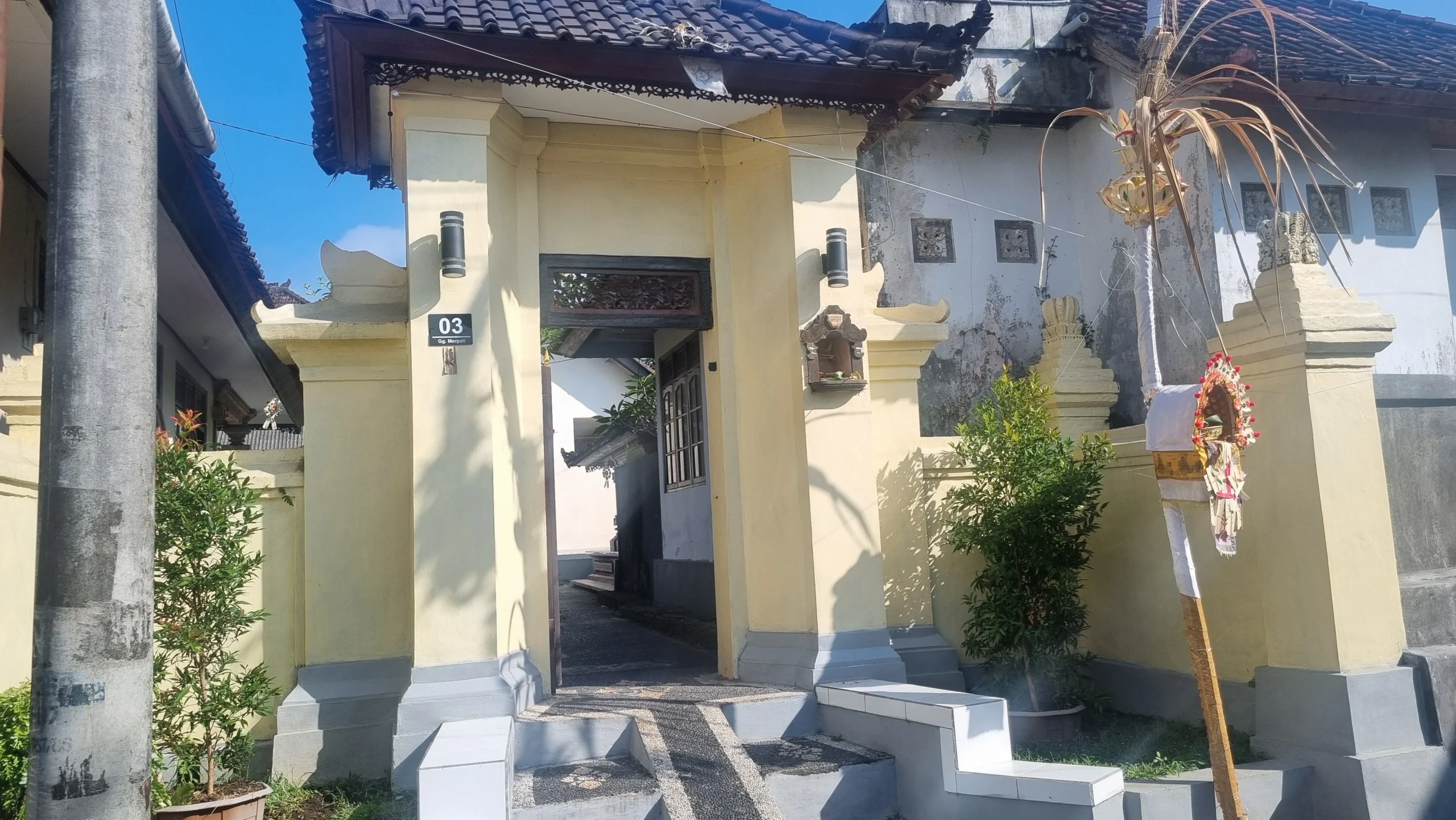
This is the main gate to enter the house compound. It looks like a small temple and usually has a roof made of dry grass or tiles. Its function is as an entrance as well as a boundary for the house compound.
Aling-Aling
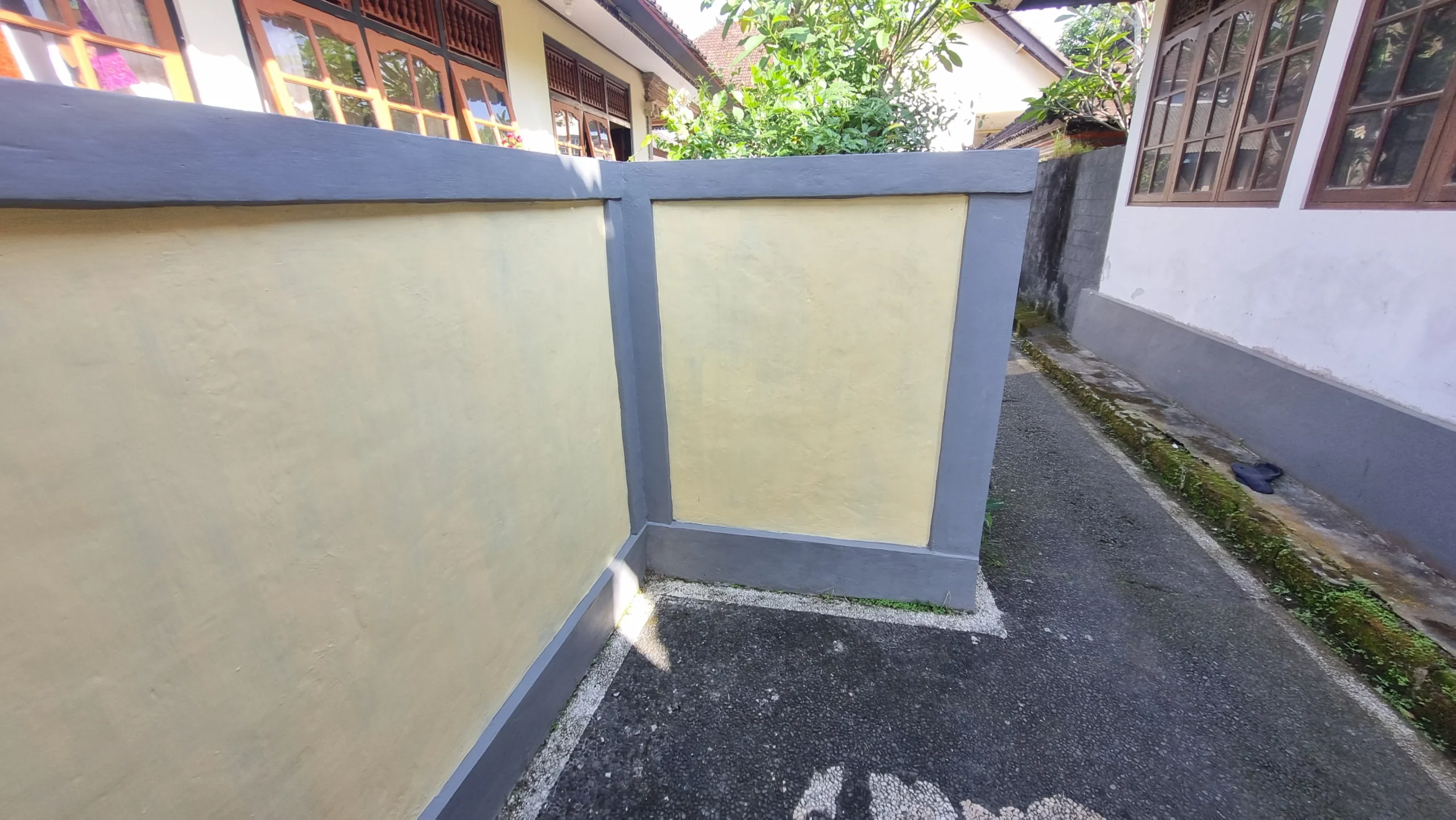
Once you pass through the Angkul-Angkul, you won’t immediately see the middle yard because it will be blocked by a small dividing wall. This wall is called Aling-Aling. At first glance, its function might be to maintain the privacy of the residents so they are not directly visible from outside. However, spiritually, Aling-Aling is believed to ward off negative energy or evil spirits from entering the house.
Sanggah or Pamerajan
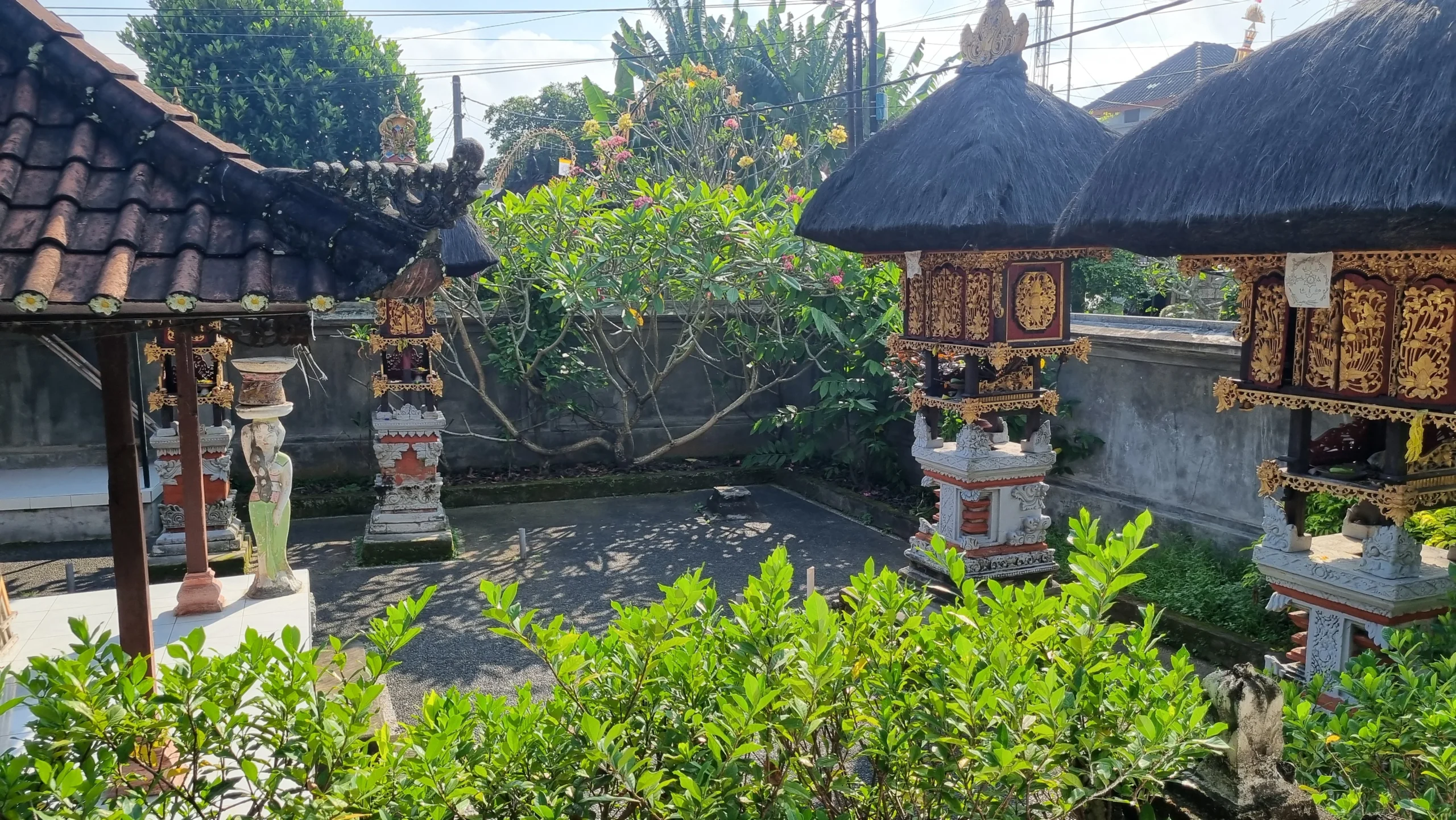
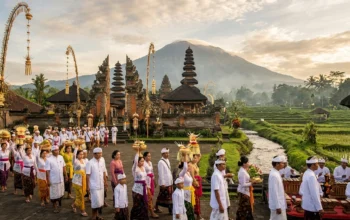
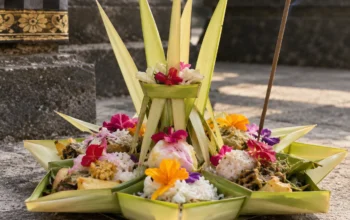
This is the family worship area located in the northeast corner of the house compound (Utama Mandala). Inside the Sanggah, there are several small sacred buildings or pelinggih. It is here that all family members perform daily prayers and place offerings.
Bale Manten
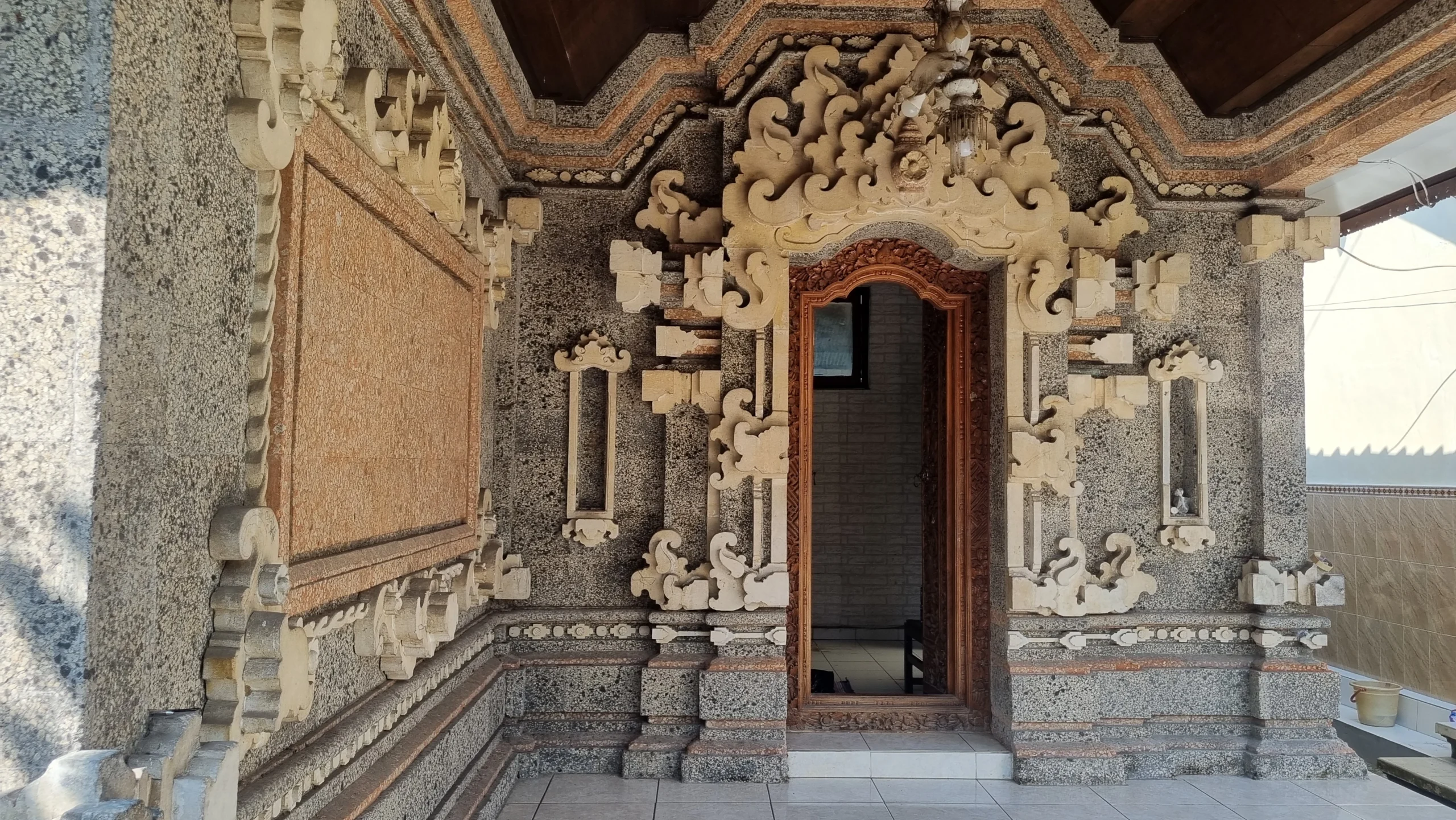
Bale Manten is a rectangular building located in the northern part. This building usually has a fairly enclosed room. Its main function is as a bedroom for the head of the family or unmarried daughters. This building is made quite formal and its position is respected within the house.
Bale Dangin or Bale Gede
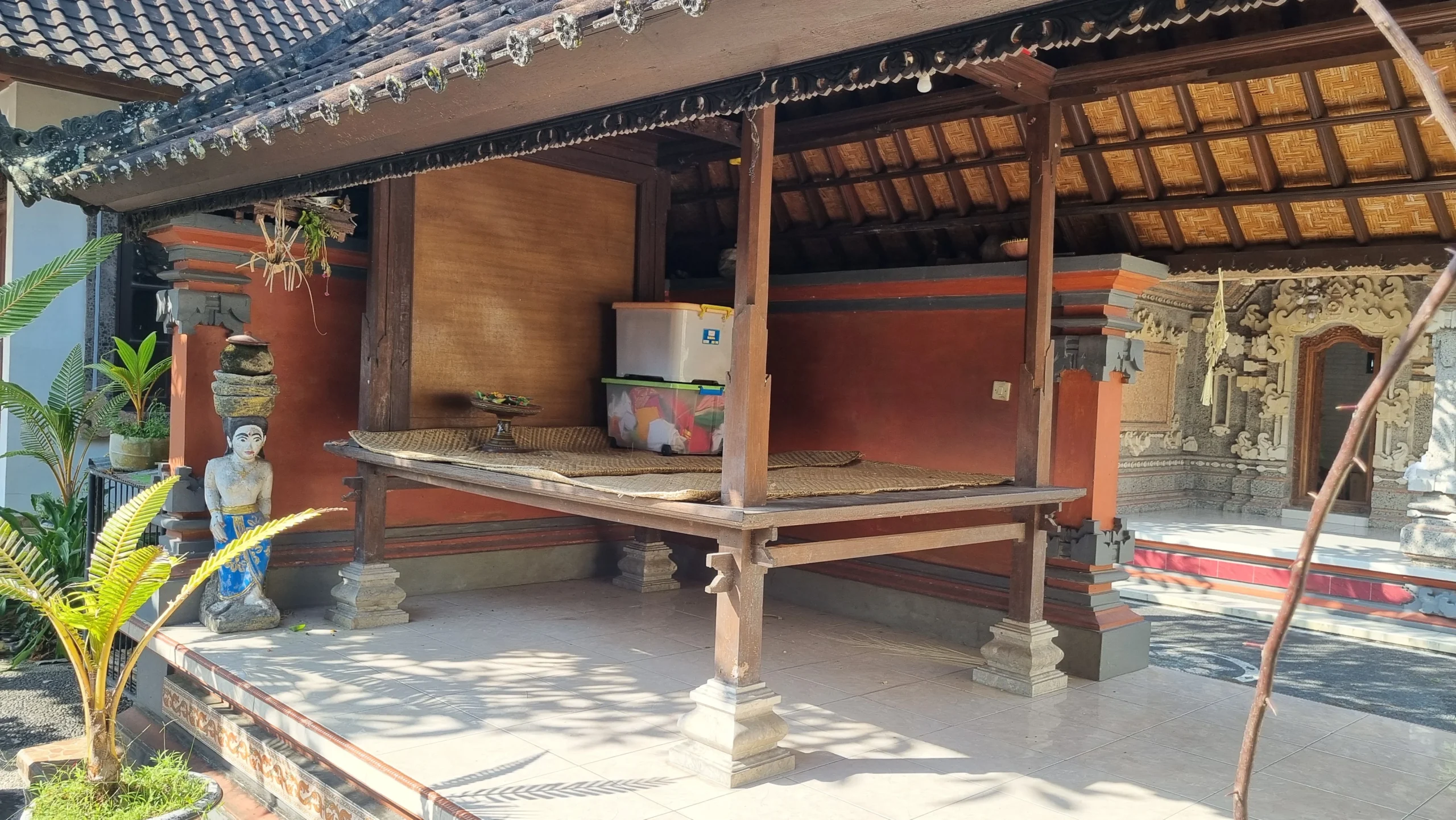
Located in the eastern part, this building is usually an open pavilion with wooden pillars. The number of pillars can be eight (Bale Sakenem) or twelve (Bale Gede). This place is very multifunctional, ranging from a place to sit and relax, a place for handicrafts, to a place for important traditional ceremonies such as tooth filing (Mepandes) or death ceremonies.
Bale Dauh
The opposite of Bale Dangin, Bale Dauh is located in the western part of the compound. This building is also open in design and is usually used as a guest reception area, a family gathering place, or as a bedroom for teenage boys.
Paon (Kitchen)
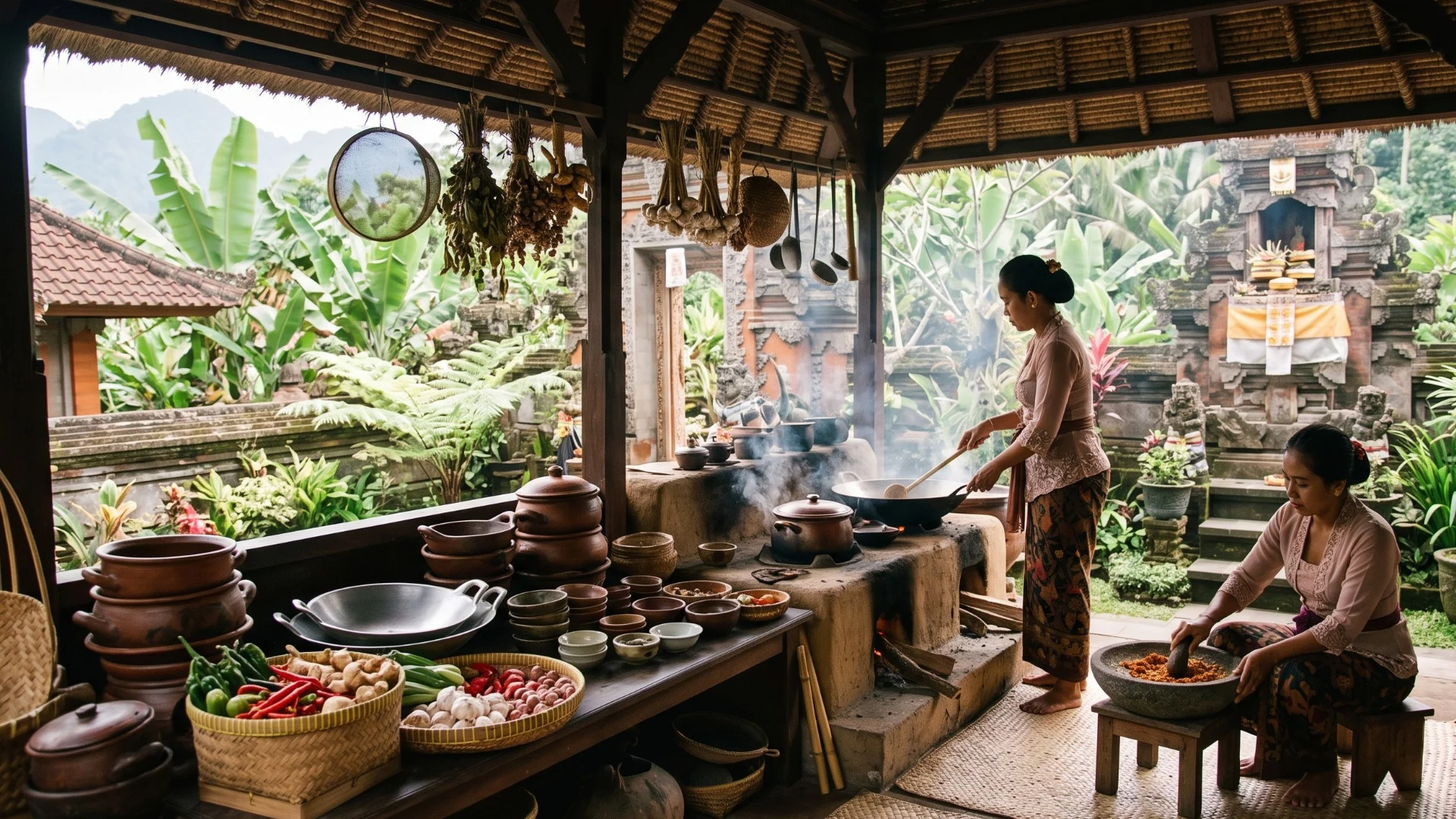
Paon is the Balinese term for kitchen. It is located in the Nista Mandala area, usually in the south or southwest corner. In a traditional kitchen, you can still find a wood-fired stove called bungut paon. Besides cooking daily meals, Paon is also important for preparing religious ceremony supplies.
Jineng or Klumpu
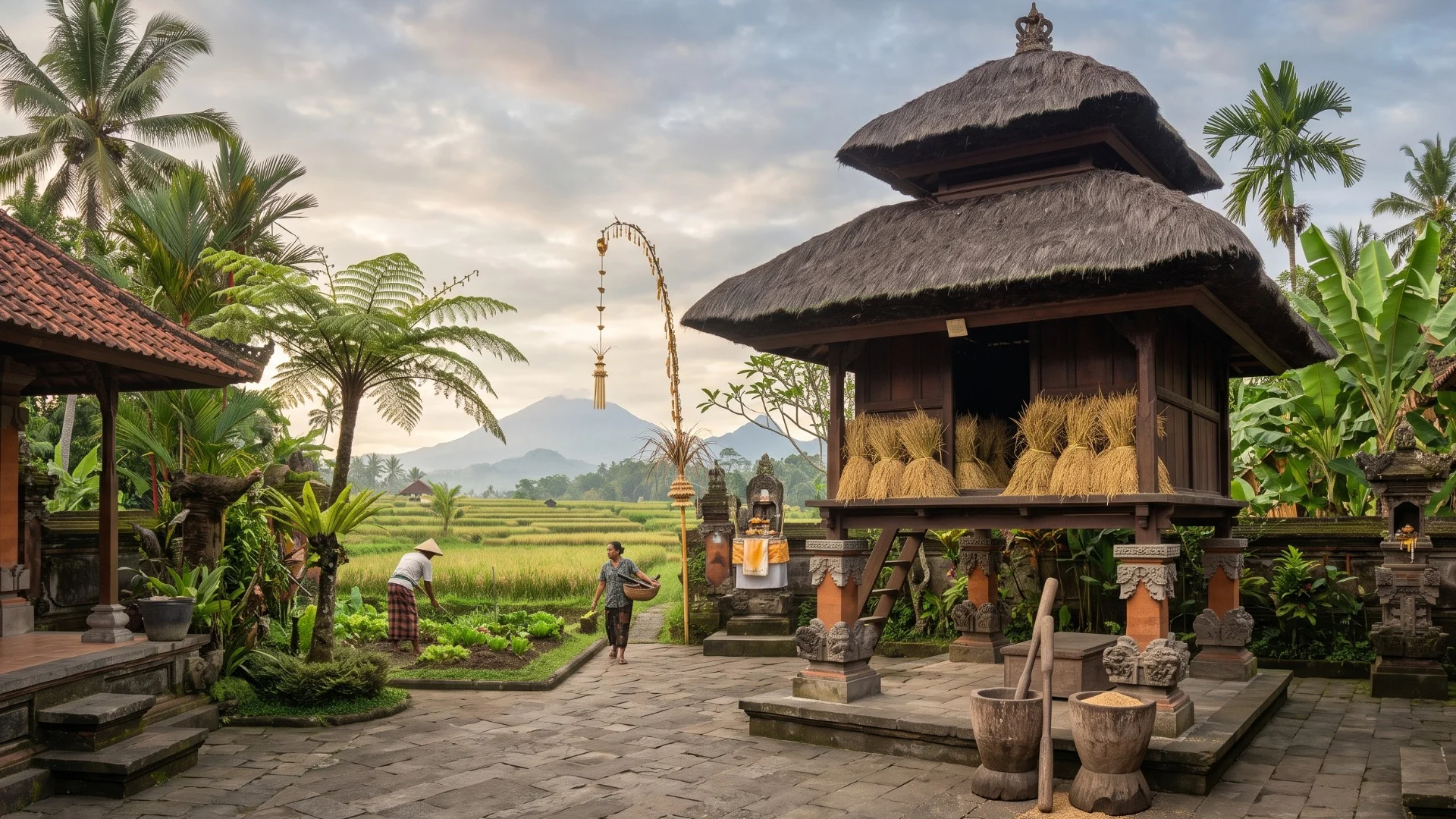
This part may be increasingly rare in urban areas, but it is still common in rural areas. Jineng is a small stilt building with a uniquely curved roof made of straw. Its main function is as a granary to store rice harvests safely from pests or fungi.
Why Are Balinese Traditional Houses So Special?
One thing that makes Balinese traditional houses very comfortable to live in is their closeness to nature. Because the buildings are separate and have many open spaces, air circulation in the compound is very smooth. The atmosphere feels cool even when the weather outside is hot.
The materials used are also very environmentally friendly. Ranging from natural stone, clay for walls (pol-polan), coconut wood, to bamboo and palm fiber for roofs. Coupled with artistic carvings on wooden pillars and stone walls, every corner of the house has high aesthetics that soothe the soul.
Although times are increasingly modern and many people are switching to minimalist house designs, the Balinese people are great at still maintaining this traditional spatial concept in their compounds. That’s a brief introduction to Balinese traditional houses. It’s very interesting how a dwelling can combine architecture, natural comfort, and spiritual values all at once, isn’t it?