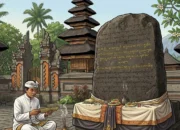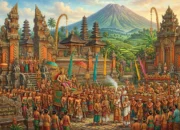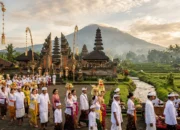


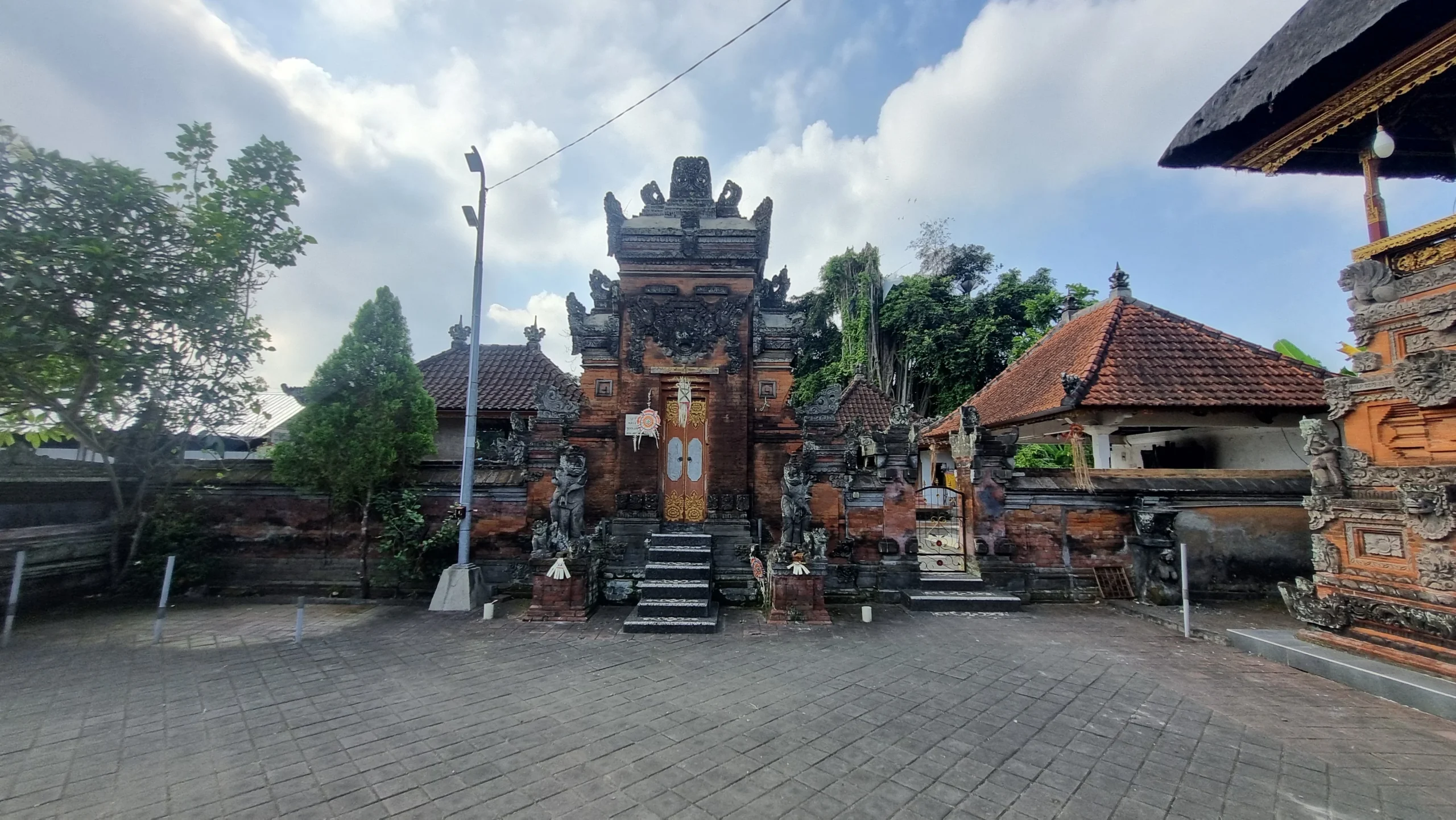
For anyone who has ever set foot in Bali, the sight of temples is certainly one of the most memorable impressions. These places of worship for Hindus stand majestically in various corners of the island, from the coastline, mountain slopes, lake centers, to within the courtyards of residents’ homes. Their intricate design, full of carvings and towering heights, often leaves us in awe.
However, that beautiful visual aesthetic is merely the outer shell. Balinese temple architecture is not just about building art or showcasing grandeur. Every inch of carving, the direction the building faces, and the zoning divisions within the temple have profound philosophical meanings. Balinese Hindus build temples as a tangible manifestation of their view of the universe and God.
Let us dissect together the meanings hidden behind the beauty of Balinese temple architecture.
The Concept of Tri Hita Karana as the Main Foundation
The first step to understanding the temple is to understand the concept of Tri Hita Karana. This term refers to the three causes of happiness and harmony in life: a good relationship between humans and God (Parahyangan), humans with each other (Pawongan), and humans with the natural environment (Palemahan).
Temple architecture is the physical embodiment of this concept. The main area of the temple is built as a sacred place to draw closer to Sang Hyang Widhi Wasa (God). On the other hand, the spaces within the temple are also designed to accommodate thousands of devotees during major ceremonies, strengthening social bonds among the community. Finally, the use of natural materials such as sandstone, temple stone, wood, and thatched roofs from sugar palm trees shows how this architecture blends with and respects the surrounding nature.
The Division of Three Spatial Zones or Tri Mandala
When entering a large temple complex, you will not immediately arrive at the main worship area. You must first pass through several gates. This spatial system is called Tri Mandala, which divides the temple area into three levels of sanctity.
First is Nista Mandala or Jaba Sisi. This is the outermost zone, functioning as a transitional space from the outside world to the temple area. Here, the atmosphere is still relatively profane or secular. This area is usually used for ceremony preparations, entertainment dance performances, or parking.
Second is Madya Mandala or Jaba Tengah. After passing through the outer gate, you enter the middle zone. This area serves as a boundary zone that is more sacred than the outer zone. Here, there are usually supporting buildings such as Bale Kulkul (bell tower) or a gathering place for religious leaders to prepare ceremonial facilities.
Third is Utama Mandala or Jeroan. This is the innermost and most sacred zone within the temple. It is here that all core worship activities take place. Only those who intend to pray or those in a state of purity are allowed to enter this area. In this zone, the main sacred buildings or pelinggih stand.
Candi Bentar and Kori Agung, Two Gates Full of Meaning
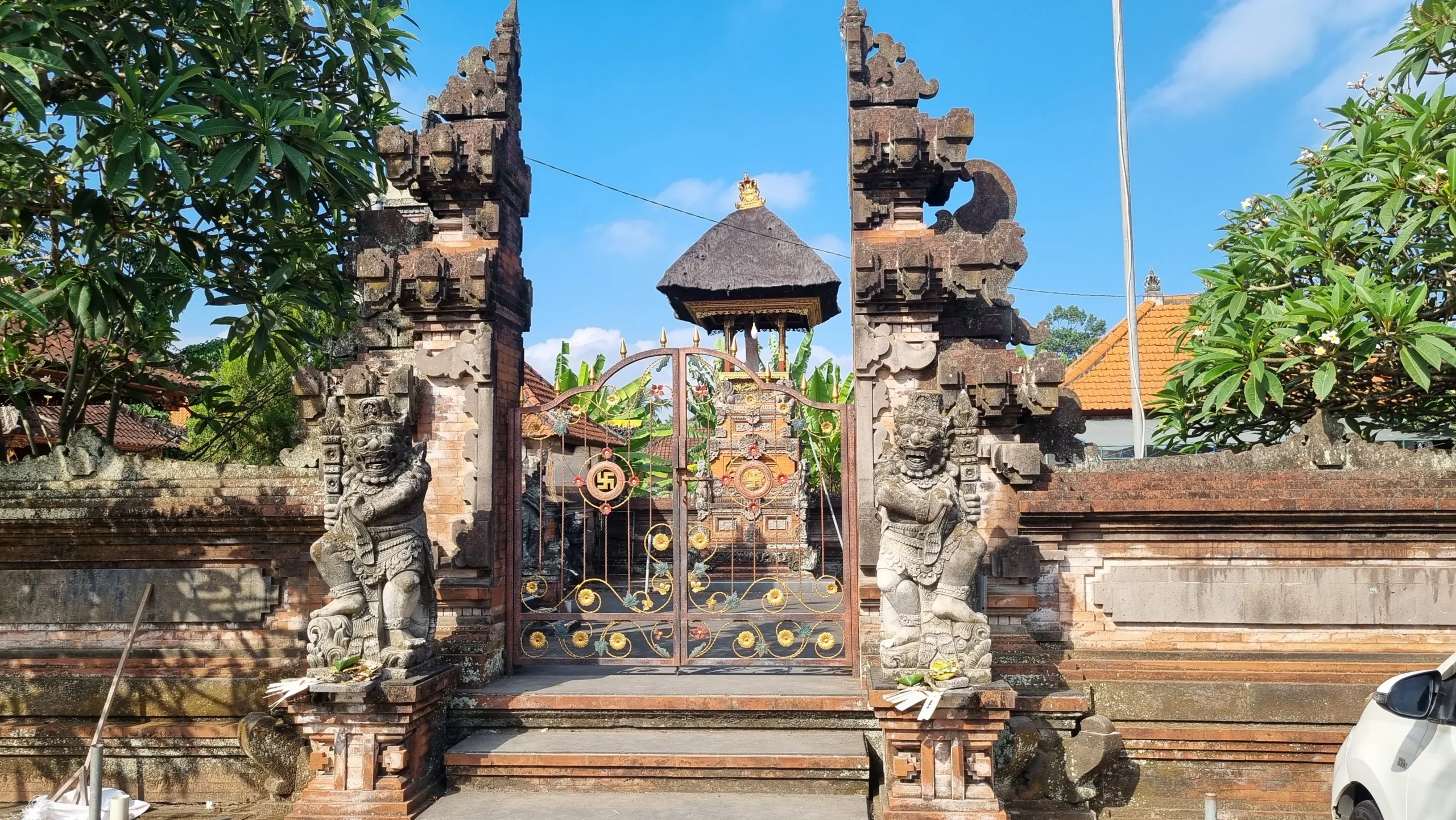
Balinese temples are very synonymous with two types of majestic gates: Candi Bentar and Kori Agung. Both are not just entrances but powerful spiritual symbols.
Candi Bentar is the outer gate, shaped like a temple split symmetrically and separated on the left and right sides. This gate has no roof. Philosophically, Candi Bentar symbolizes worldly duality that must be balanced, such as good and evil, or day and night. Its open form also suggests that the temple welcomes anyone who comes with good intentions.
After passing through the outer zone, you will encounter Kori Agung or Paduraksa to enter the main zone. Unlike Candi Bentar, Kori Agung is a unified gate with a curved or towering roof. At its entrance, a scary giant face called Bhoma is often carved. The function of Bhoma above this gate is as a spiritual protector, tasked with repelling negative energy or evil spirits from entering and disturbing the sanctity of the main temple area.
Pelinggih Meru, a Replica of the Sacred Mount Mahameru
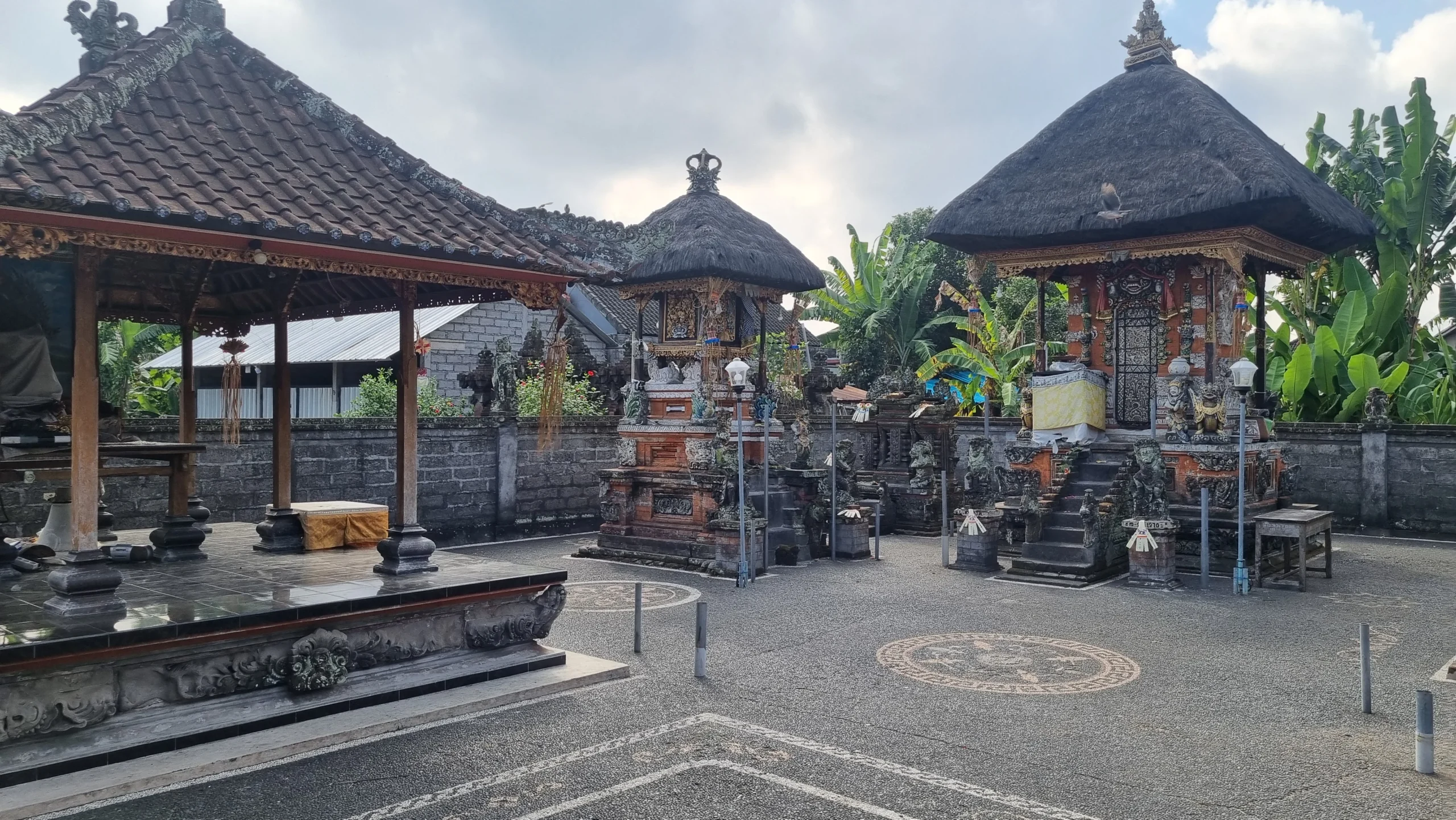
In the Utama Mandala area, your gaze will surely be drawn to a wooden tower building with multi-tiered thatched roofs. This building is called Meru. The number of roof tiers is always odd, ranging from one, three, five, seven, nine, to the highest being eleven tiers.
In Hindu cosmology, Meru symbolizes Mount Mahameru, believed to be the abode of the gods and the center of the universe. The more roof tiers, the higher the degree of the deity or manifestation of God worshipped there. The design of the roof, which narrows as it goes upward, also depicts the spiritual journey of humans, starting from the broad and complex worldly life and converging towards a single focal point: union with God.
Carvings and Reliefs as Walking Storybooks
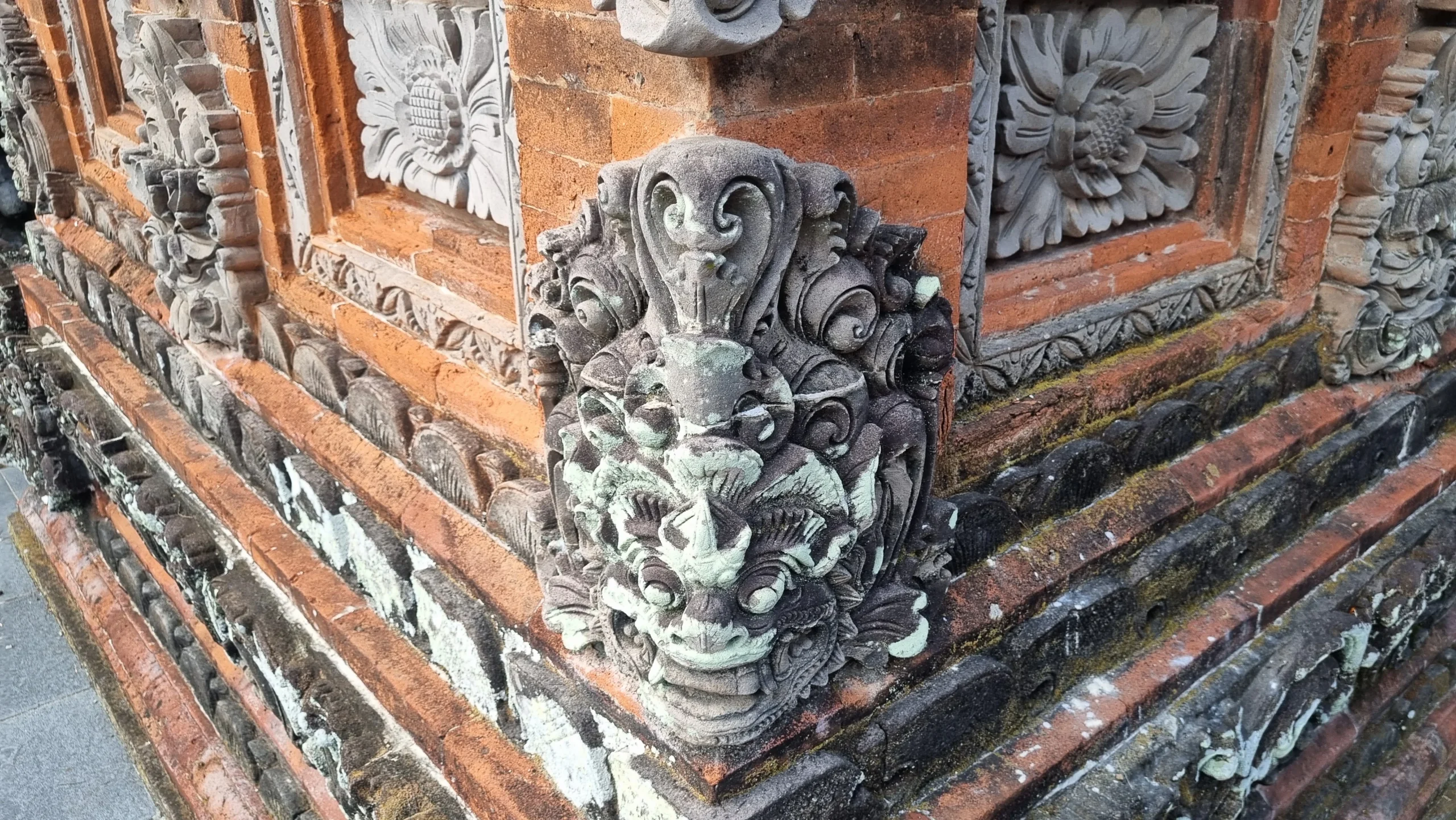
The beauty of Balinese temples would not be complete without discussing their incredibly intricate decorative carvings. If you look closely, these carvings are not just patterned decorations of leaves or flowers. Many temple walls feature reliefs of epic stories, such as the Ramayana or Mahabharata.
For ancient communities who might not all have been able to read ancient script, the reliefs on temple walls functioned like visual storybooks. Through these stone carvings, the elders conveyed moral messages, teachings of dharma (goodness), and the consequences of every human action in the world. Thus, while walking around the temple, devotees could simultaneously reflect on their daily behavior.
Understanding Balinese temple architecture makes us realize that the true beauty of these buildings lies in the harmony between physical form and meaning. Every line, stone, and building tier is designed with full awareness to create a space that is calm, balanced, and sacred. Balinese temples are tangible proof of how art, architecture, and spirituality can merge into an eternal masterpiece.