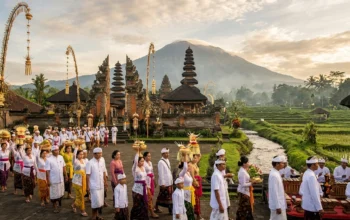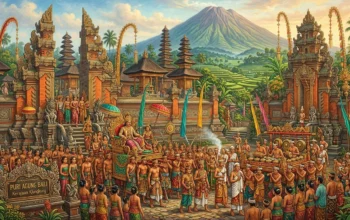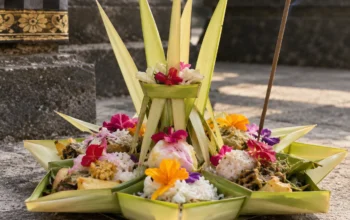


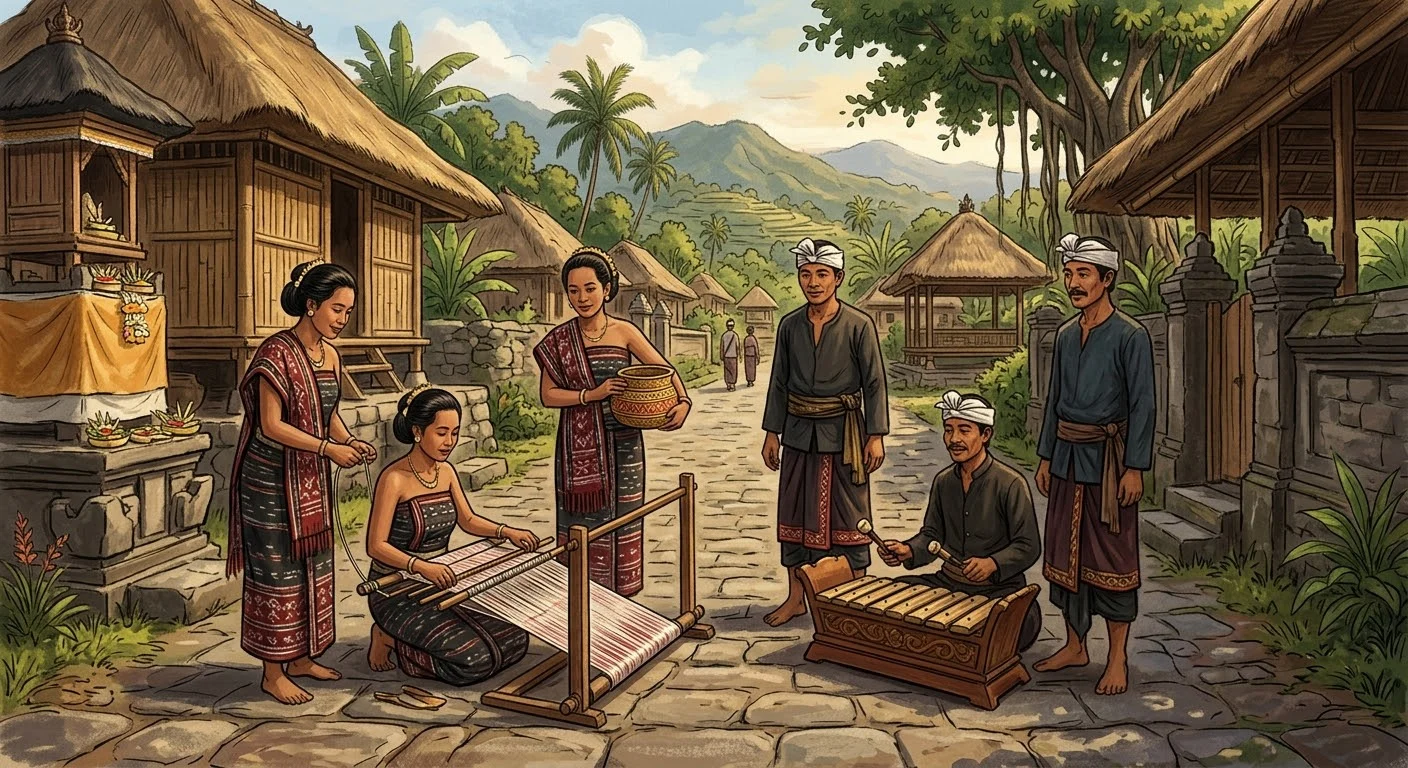
When you hear the word Bali, what probably comes to mind are beaches, temples, traditional ceremonies, traditional dances, or the green atmosphere of Ubud. However, behind the Bali that tourists know today, there is a community that still maintains its old traditions to this day, namely the Bali Aga.
Bali Aga is often also called Bali Mula. Simply put, this term is used to refer to Balinese communities that had already settled and developed on the island of Bali before the influence of the Majapahit Kingdom from Java became stronger around the 14th century. Because of that history, some Bali Aga villages have customs, village layouts, rituals, and social rules that differ from Balinese villages in general.
For tourists, getting to know the Bali Aga can be an interesting way to see another side of Bali. Not only visiting tourist attractions, but also understanding how traditions passed down for generations are still part of people’s lives today.
What Is Bali Aga?
Bali Aga is not just the name of a village. This term refers to a number of traditional Balinese communities that maintain many cultural elements and customary rules from ancient Bali.
Each Bali Aga community also does not always have the same traditions. Because of that, the experience of visiting one Bali Aga village can feel very different from another.
There are villages famous for their traditional cloth, some have a distinctive settlement layout, and others are known for burial traditions that differ from most Balinese society.
This is what makes Bali Aga culture so interesting to study. We can see that Balinese culture is actually far more diverse than what is visible from popular tourist areas.
What Distinguishes Bali Aga from Other Balinese Communities?
One of the most easily seen things is the strength of customary rules in daily life.
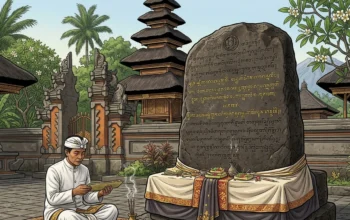
Some Bali Aga villages have customary rules or awig-awig that have been followed for generations. These rules can govern community life, the use of village areas, religious ceremonies, marriage, and even the management of nature.
The shape of the village and its buildings can also be different.
When entering a village like Tenganan, for example, tourists will see an orderly village layout with traditional buildings along the main area of the village. The atmosphere feels different compared to Bali’s tourist areas that are already filled with hotels, restaurants, and modern shops.
However, this does not mean that the Bali Aga live completely apart from the modern world. They still live present-day lives. What is interesting is how local people still try to preserve their customs and village identity amid changing times.
Tenganan Pegringsingan Village, One of the Famous Bali Aga Villages
If you want to get to know Bali Aga culture during your vacation, Tenganan Pegringsingan Village in Karangasem Regency is one of the easiest places to include in your itinerary.
Tenganan is known as one of the old villages in Bali that still maintains many Bali Aga traditions. This village has a distinctive layout, strong customary life, and various traditional crafts.
One of the most famous is Gringsing cloth.
This cloth is made using the double ikat weaving technique or double ikat. The production process is quite complicated and takes a long time. That is why Gringsing cloth is not only considered an ordinary craft, but also an important part of the cultural identity of the Tenganan community.
Tenganan is also famous for the Mekare-kare tradition, which tourists often call the Pandanus War.
In this tradition, participants use thorny pandanus leaves as part of the ritual. This tradition is related to the Tenganan community’s respect for the god Indra.
If you come at the right time, tourists may be able to witness part of the series of customary ceremonies. However, it is important to remember that this is a religious and cultural tradition of the local community, not merely a tourist attraction.
Trunyan and a Different Burial Tradition
Besides Tenganan, there is also Trunyan Village in the Kintamani area, Bangli Regency.
This village is on the eastern side of Lake Batur and is inhabited by a Bali Aga community that still maintains a number of ancestral traditions. One tradition that has made Trunyan known beyond Bali is its burial method.
Unlike the Ngaben ceremony that tourists are more familiar with, the people of Trunyan have a tradition called Mepasah.
In certain traditions, the body is not cremated or buried as usual, but placed in a special burial area and protected with a bamboo arrangement.
In that area there is also a tree known as Taru Menyan, which is an important part of the stories and beliefs of the Trunyan community. The name Trunyan itself is often associated with the word taru, meaning tree, and menyan, related to a fragrant aroma.
For tourists, visiting Trunyan can be a very different cultural experience.
However, the burial area remains a sacred place. Do not come just to take sensational photos. Listen to the explanations of local guides, follow local rules, and ask permission before photographing anything related to rituals or sacred areas.
Does Bali Aga Still Exist Today?
Yes, the Bali Aga community is not merely part of Bali’s historical story. Its people are still alive and practice various customs to this day.
Of course, their lives have also changed with the times. Technology, education, tourism, and modern life have become part of daily life.
However, in a number of villages, customary rules, ceremonies, architecture, crafts, and ancestral traditions are still preserved.
That is why visiting a Bali Aga village feels different from visiting a museum. Tourists are not looking at culture preserved only behind glass, but at a tradition that is still part of people’s lives.
Tips for Visiting a Bali Aga Village
If you want to visit a Bali Aga village, come in the same way as when we visit someone’s home.
Wear polite clothing, especially when around temples or ceremonial places. Do not enter prohibited areas without permission. It is best to ask first before taking photos of residents, ceremonies, or objects considered sacred.
Using a local guide can also make the trip much more interesting. Besides helping you understand village rules, guides can usually explain the stories behind buildings, rituals, crafts, and traditions that might seem ordinary if we just walk around on our own.
If there are interesting local crafts, buying directly from the artisans is also one simple way to support the local community.
Especially when visiting Trunyan and its burial area, tourists are advised to maintain respectful behavior, not touch objects around the burial area, and always follow the directions of the local community or guide.
Why Is Bali Aga Interesting for Tourists?
Bali Aga shows that Bali is not only about beaches and places that are crowded on social media.
Behind the very rapid development of tourism, there are still communities that maintain a close relationship with customs, the environment, ancestors, and village rules that have been passed down for years.
Visiting a Bali Aga village can also make a trip in Bali feel more meaningful. You do not only go home with photos, but also with an understanding that Balinese culture has many layers and each area can have different traditions.
If you have already visited beaches, beach clubs, temples, or rice fields in Bali, trying cultural tourism in Tenganan or Trunyan can give you a truly different experience.
Conclusion
Bali Aga or Bali Mula is the term for Balinese communities that have old cultural roots and still maintain various ancestral traditions to this day.
Villages such as Tenganan Pegringsingan are famous for Gringsing cloth and the Mekare-kare tradition, while Trunyan is known for its distinctive culture and burial traditions.
For tourists, visiting a Bali Aga village is not only a chance to see something unique. This trip is also an opportunity to get to know Bali from a deeper side—seeing how history, beliefs, customs, and modern life continue to go hand in hand on the Island of the Gods.