

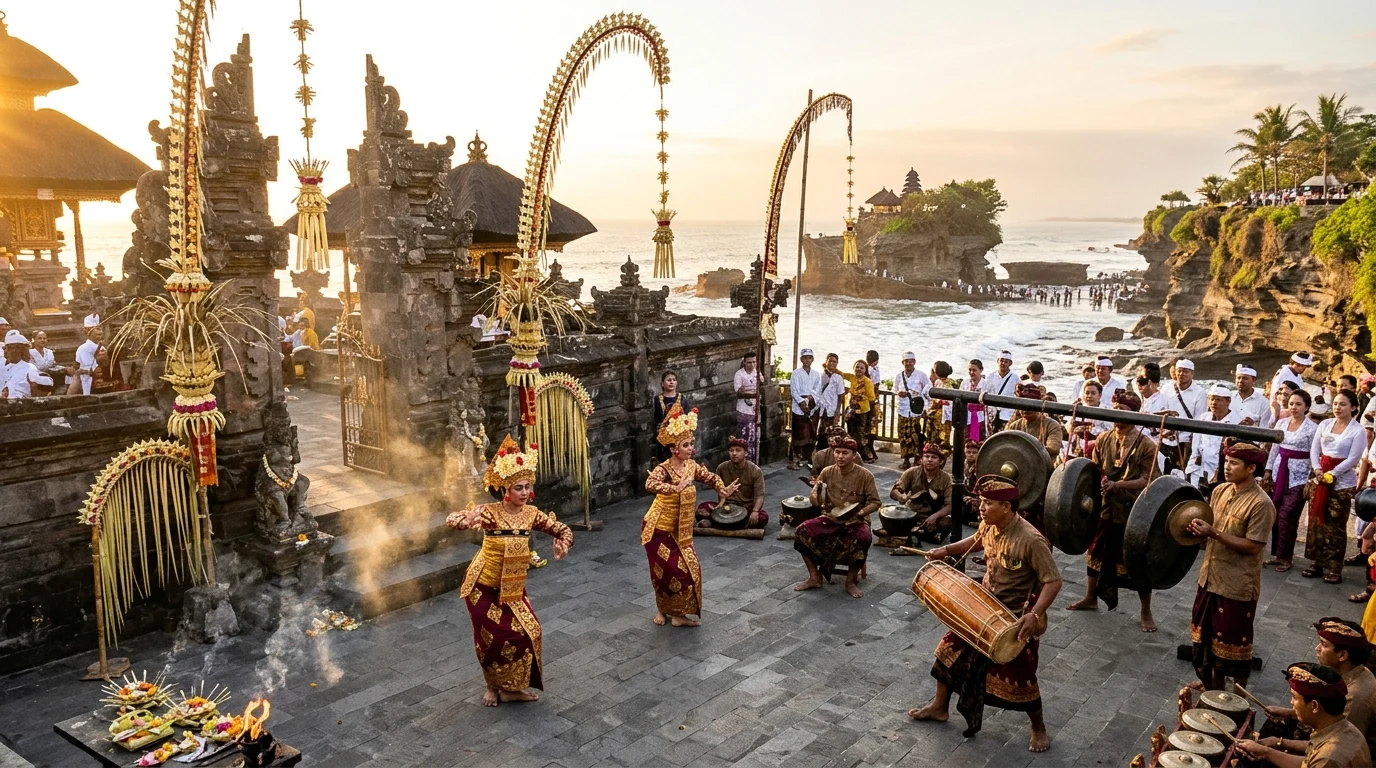
Entering the second half of November, the Island of the Gods offers not only natural landscapes lush with tropical rain. It is precisely during this period that agrarian traditions, folk arts, and sacred rituals of Balinese Hindus blend in various cultural agendas across the island. From the closing of the XV Arts and Culture Festival (FSB) of Badung Regency on November 16, 2026, according to a report by Lentera Esai, the excitement of mud buffalo races in West Bali, to coastal festivals in Klungkung, travelers have the opportunity to witness the authentic side of Bali far from the hustle of nightclubs.
Witnessing cultural festivals or traditional ceremonies (rerahinan) requires route preparation, punctuality, and respect for local etiquette. Here is a practical guide to meaningfully enjoy Bali’s cultural agendas and sacred traditions at the end of November.
1. Highlights of Balinese Cultural Festivals at Year-End
The end of the year becomes a stage for preserving traditions across regencies. Three main agendas that attract cultural tourists include:
A. Makepung Lampit Jembrana: The Peak of West Bali’s Agrarian Tradition
Unlike the land Makepung on dry circuits, Makepung Lampit is held in muddy, waterlogged rice fields. At the event on November 15, 2026, in the Subak Munduk rice fields, Kaliakah Village, Negara District, 32 pairs of buffalo were evenly divided between the Ijo Gading Barat and Ijo Gading Timur camps, racing to pull wooden soil-leveling boards (lampit), as recorded by RRI Singaraja and Jembrana Regency Government. This event closes the annual competition season while celebrating farmers’ gratitude for the fertility of the rice fields.
B. Goa Lawah Festival: Spirituality and Arts of the East Coast
In Klungkung Regency, the Goa Lawah Festival is scheduled to take place on November 21–23, 2026, at the Goa Lawah Temple complex, Pesinggahan Village. As one of Bali’s six main temples (Sad Kahyangan), this area combines spiritual value with coastal attractions. According to the calendars of HowToBali and BaliPass, visitors can enjoy the Baleganjur Ngarap percussion competition, typical Klungkung dances, coastal conservation, and local MSME bazaars.
C. Sanur Village Festival and Gema Penjor in South Bali
In Denpasar, the Sanur Village Festival listed in the official agenda of the Bali Provincial Tourism Office features art exhibitions, coastal cuisine, music, and family-friendly maritime activities. Previously, the excitement of traditional fine arts was also present through the fourth Penjor Festival at Garuda Wisnu Kencana (GWK) Cultural Park, which held workshops on penjor, Balinese script, and lontar carving as reported by RRI.
2. November Traditional Ceremony & Rerahinan Calendar for Tourists
Besides tourism festivals, Balinese community activities center on the Pawukon and Sasih calendars. Understanding the sacred calendar helps tourists align routes while respecting residents’ worship:
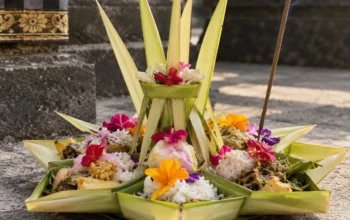
- November 18 (Buda Wage Ukir): A day of worship for prosperity and protection of property, marked by offerings of canang and offerings at homes and businesses.
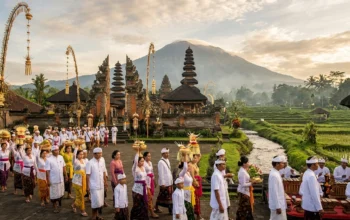
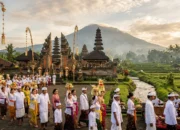
- November 24 (Anggar Kasih Kulantir & Purnama Kenam): The convergence of the holy day Anggar Kasih with the full moon of the sixth month of the Balinese calendar (Sasih Kenam). Major temples such as Goa Lawah Temple and Besakih Temple are crowded with worshippers in white-yellow traditional attire from morning to evening, as summarized by Radar Bali Jawa Pos and the calendar guide IDN Times Bali.
On rerahinan days, traffic to village temples or holy water sources often slows due to processions of pedestrians. Allow an extra 30–45 minutes when driving.
3. Summary Table of Locations, Routes, & Estimated Costs (IDR)
| Agenda / Location | Best Time | Route & Duration from South Bali | Estimated Cost (IDR) | Field Notes |
|---|---|---|---|---|
| Goa Lawah Temple & Festival (Klungkung) | 15:30–19:00 WITA | Via Jl. Ida Bagus Mantra (±1–1.5 hours from Denpasar) | Domestic ticket IDR 15,000 (adult) / IDR 10,000 (child); Foreign IDR 25,000 / IDR 15,000; Sarong rental IDR 5,000; Parking IDR 2,000–IDR 5,000 | Festival stage area is generally free; entering the temple mandala requires sarong and sash |
| Makepung Lampit (Negara, Jembrana) | 07:00–10:30 WITA | Via Jl. Raya Denpasar–Gilimanuk (±2–2.5 hours) | Spectator tickets free; Round-trip fuel IDR 200,000–IDR 300,000; Car rental + driver IDR 650,000–IDR 850,000 | Muddy rice field arena; wear hiking sandals and sun hat |
| Sanur Coast (Sanur Village Festival) | 06:30–09:00 or 16:30–21:00 WITA | Bypass Ngurah Rai Sanur (±20–35 minutes from Kuta) | Beach/bazaar area free; MSME culinary IDR 20,000–IDR 75,000; Parking IDR 2,000–IDR 5,000 | Ideal combined with morning cycling on the Sanur coastal path |
4. Field Tips & Cultural Etiquette When Watching Rituals
Entering sacred spaces requires compliance with customs and local regulations. The Bali Provincial Government, through tourist guidelines reported by ANTARA News, emphasizes the importance of maintaining temple sanctity and public order.
Mandatory Etiquette in Temple Areas & Ceremonies
- Modest Traditional Attire: Wear a sarong (kamen) down to below the knees and a sash (senteng) at the waist, and a top that covers the shoulders.
- Prohibition on Entering During Menstruation: Women who are menstruating are prohibited from entering the sacred areas of the temple (madya and utama mandala), but can still enjoy the festival from the outer courtyard.
- Respect the Worship Zone: Do not pass in front of people who are praying, avoid positions higher than the pemangku or offerings, and do not climb temple structures for photos.
- Camera & Drone Etiquette: Turn off the flash when photographing rituals and avoid flying drones over temples without permission from the bendesa adat.
Anticipating November Transition Weather
November marks the transition to the rainy season. Mornings from 06:30–11:30 WITA tend to be clear and optimal for outdoor agendas, while afternoons may have drizzle. Bring a foldable raincoat and cash in denominations of IDR 5,000–IDR 50,000 for parking and village MSME snacks.
Frequently Asked Questions (FAQ)
1. Are tourists allowed to enter Goa Lawah Temple during the festival or on Purnama days?
Yes, as long as they wear a sarong and sash, women are not menstruating, and they follow the instructions of the pecalang so as not to disrupt the worship proceedings.
2. What is the easiest way to get to the Makepung location in Jembrana without a private vehicle?
The most practical option is to rent a car with a local driver from South Bali or Ubud for IDR 650,000–IDR 850,000 per day. Depart at 05:00 WITA to arrive before the race starts at 07:30 WITA.
3. Are the dance and music performances at regency cultural festivals paid?
Most regional cultural stages—such as the open-air performances of the Goa Lawah Festival, Badung Arts and Culture Festival, and the Makepung track—are free. Fees apply only for temple site entrance tickets, parking, and bazaar snacks.
4. How can I monitor the schedule of holy days or temple ceremonies during a vacation in Bali?
You can check the digital Balinese calendar in local media or ask the hotel receptionist the day before visiting major temples on Purnama, Tilem, or Tumpek days.