

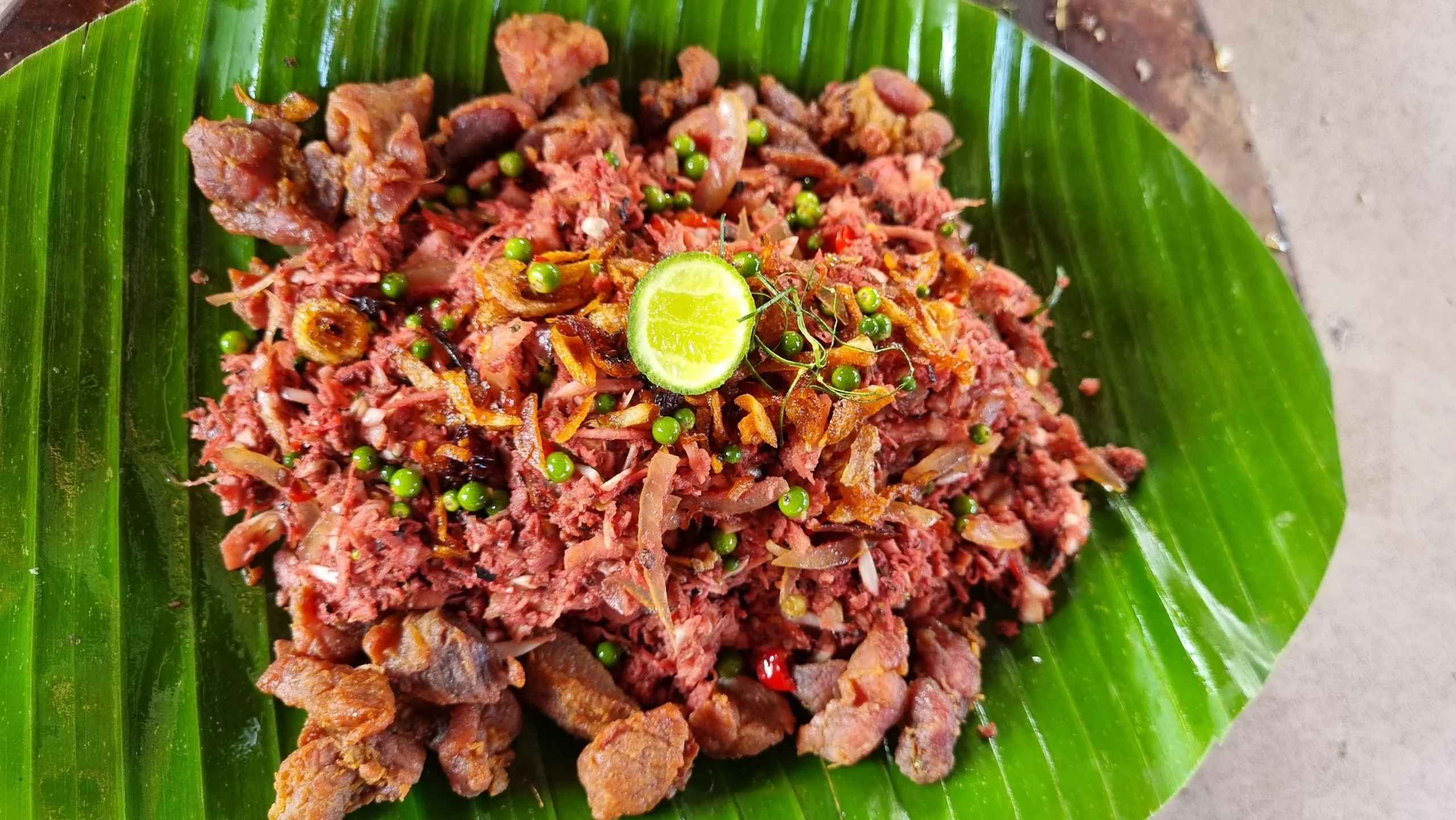
When talking about Bali, what comes to mind for most people might be beautiful beaches, majestic temples, or graceful traditional dances. But Bali also has a rich culinary heritage that holds deep philosophy and a very high sense of togetherness. One of the most iconic dishes from the Island of the Gods is Lawar.
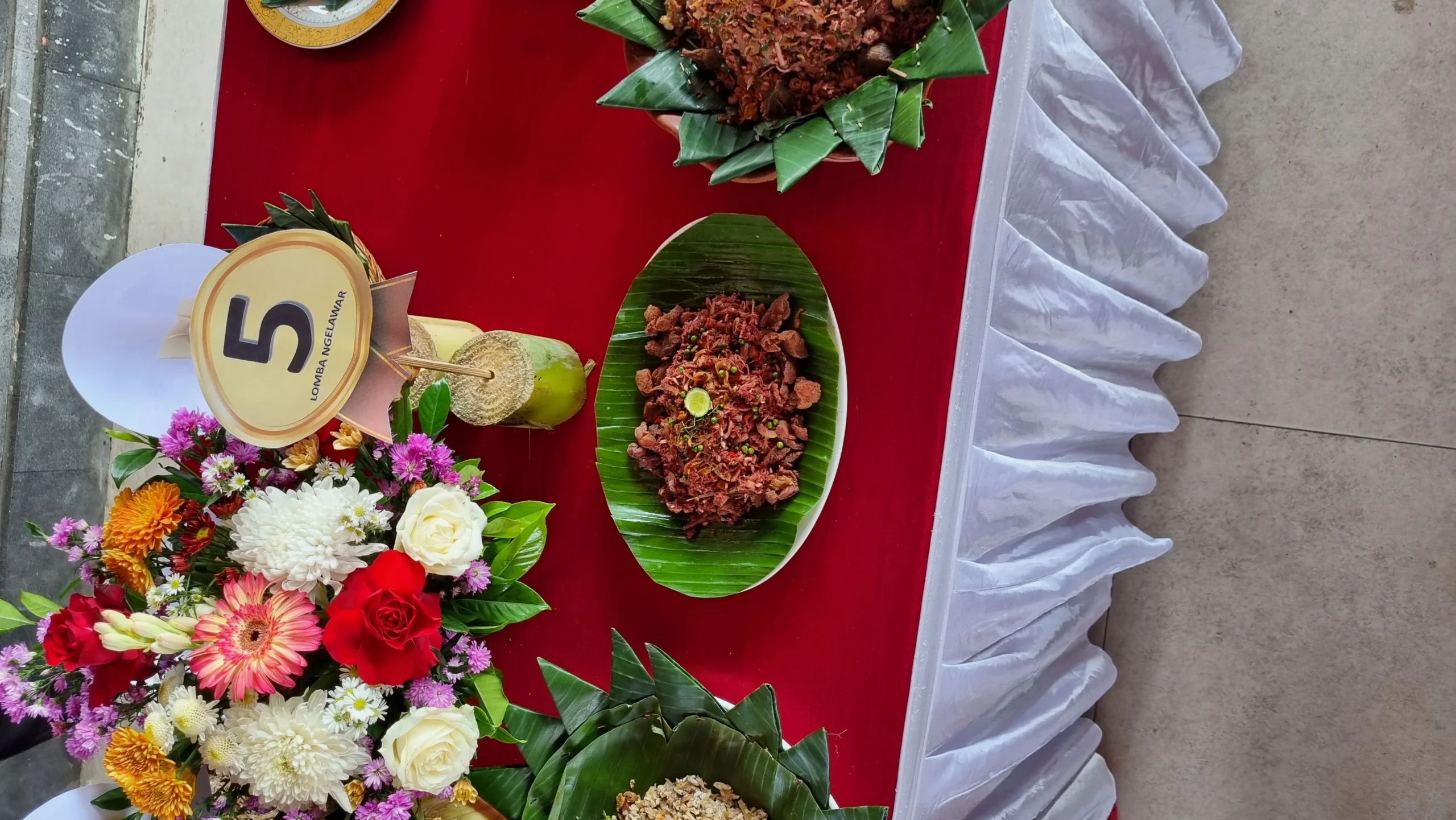
Making lawar, or commonly known as ngelawar, is not just an ordinary kitchen activity. It is a cultural ritual and a symbol of mutual cooperation among Balinese people. To keep this tradition alive and widely known, the Balinese community often holds events called Lomba Ngelawar (Ngelawar Competition).
From the banjar (hamlet) level, village level, to provincial arts festivals, the Ngelawar Competition always manages to attract the attention of locals and tourists alike. Curious about the excitement? Let’s check out the full review below!
What Is Lawar and Why Is It So Special?
Before discussing the competition, we need to get to know what lawar is. Lawar is a typical Balinese dish consisting of a mixture of minced meat, vegetables, grated coconut, and very rich Balinese spices. The meat used can vary, from pork, chicken, duck, to beef.
There are two types of lawar that are most popular in Bali: Red Lawar and White Lawar. The difference lies in the use of fresh blood from the slaughtered animal. Red Lawar uses a little mixture of fresh blood that has been seasoned to give a red color and a distinctive savory taste, while White Lawar is made without using blood at all.
For the Balinese people, lawar is not just food to fill the stomach. This dish is almost always present in every traditional and religious ceremony, from weddings, tooth-filing ceremonies, to the celebration of Galungan and Kuningan holidays. The elements in lawar represent symbols of natural and taste balance, such as spicy, sweet, salty, bitter, and sour that blend harmoniously.
The Festive and Full of Togetherness Atmosphere of the Ngelawar Competition
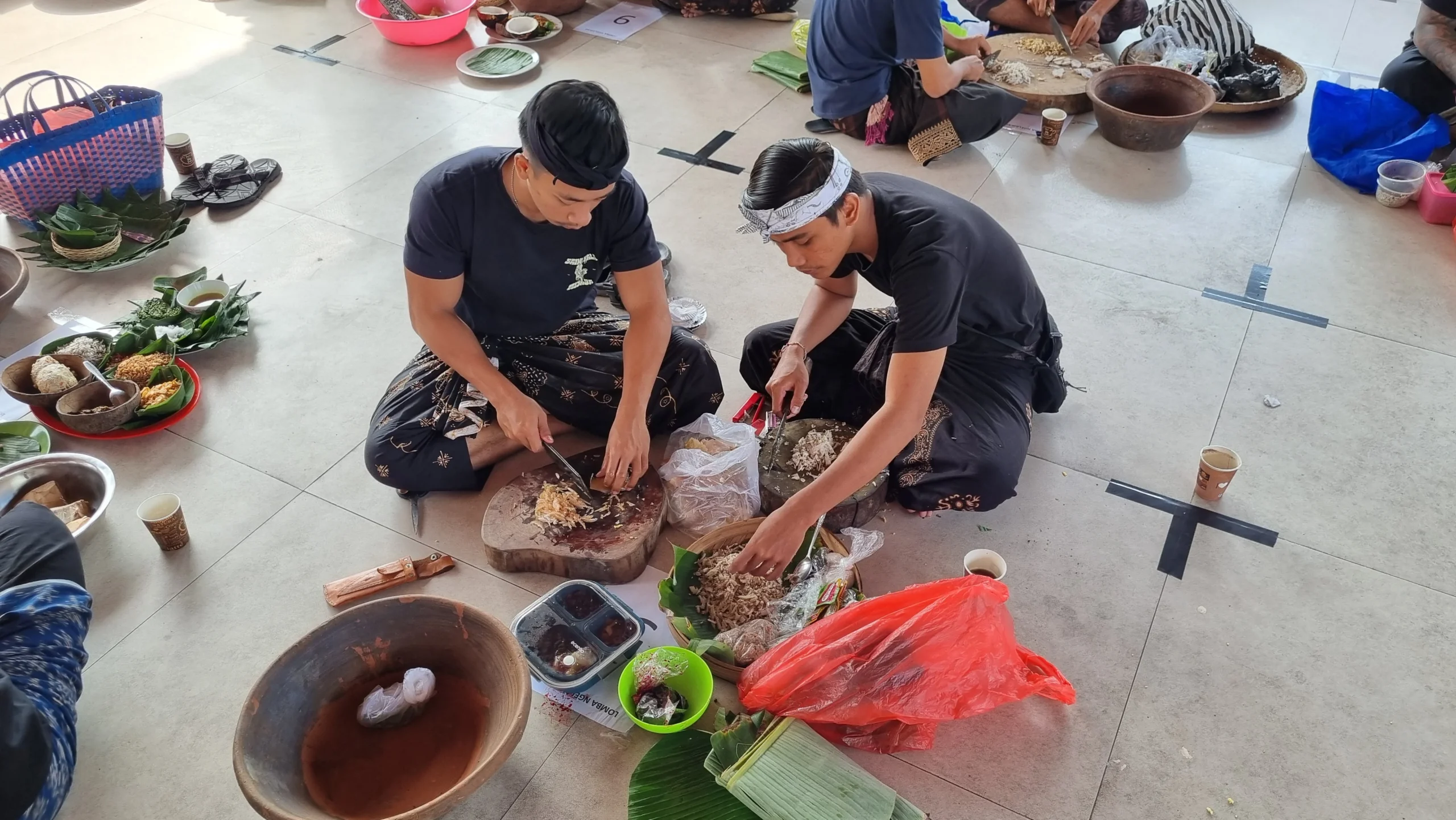
If you have the chance to witness the Ngelawar Competition directly, you will feel a very lively energy. Usually, the competition participants consist of youth groups or commonly called Sekaa Truna Truni (STT) from various banjars, to local men’s groups.
The tradition of ngelawar has been traditionally associated with Balinese men. The process of making lawar, which requires extra energy, from slaughtering, chopping meat, to mincing spices, has indeed been done by the men and youth of the banjar in a tradition called mebat.
In the competition area, you will hear the distinctive rhythm of chopping boards. The sound of plak-plik-pluk constantly from dozens of participants chopping ingredients simultaneously creates a unique rhythm. Accompanied by laughter, jokes between teams, and the roar of applause from the audience, the competition atmosphere feels so warm and full of family spirit.
Main Skills: The Art of Chopping and Mixing Basa Genep
Ngelawar is a test of dexterity, patience, and taste instinct. In this competition, participants are required to master several important techniques:
- Chopping Skill (Ngencang): Ingredients such as meat, skin, young jackfruit, or banana trunk must be chopped very finely and evenly. Participants must use a sharp Balinese knife and have a stable chopping rhythm to achieve the perfect texture.
- Mixing Basa Genep: Spices are the key to the deliciousness of lawar. Participants must mix basa genep (complete Balinese spices) consisting of shallots, garlic, chili, kencur, ginger, galangal, turmeric, candlenut, shrimp paste, coriander, and other spices. All spices are measured without scales, relying only on instinct and experience!
- Mixing Process (Ngelawar): After all ingredients and spices are ready, the final step is to mix all ingredients by hand. This is where the mixing technique is tested so that the spices are perfectly absorbed into the meat fibers and grated coconut without making the mixture mushy or watery.
Judging Criteria for the Ngelawar Competition: Not Just About Taste!
The jury in the Ngelawar Competition usually consists of Balinese culinary experts, traditional leaders, and professional chefs. They not only taste the final result but also assess the entire process from start to finish. Some of the main judging criteria include:
- Taste Balance: Delicious lawar must have a combination of savory, spicy, salty, and the right aroma of spices. No single taste should dominate and ruin the others.
- Texture and Neatness of Cuts: The fineness and uniformity of the minced meat and vegetables are important points. Cuts that are too coarse or too mushy can reduce the score.
- Cleanliness and Hygiene: The participants’ work area must remain clean. The cleanliness of ingredients, tools, and food handling procedures are highly observed by the jury.
- Team Cohesion: Since it is done in groups, effective division of labor and solid teamwork are additional values.
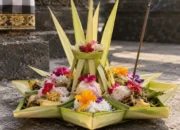
- Presentation (Plating): The final lawar is usually served on traditional containers such as banana leaves, belekok, or pajegan with beautiful traditional Balinese garnishes.
Preserving Culinary Traditions for the Younger Generation
In today’s modern era, there is a concern that the younger generation is becoming unfamiliar with the traditions and recipes inherited from ancestors. Therefore, the Ngelawar Competition serves as a very effective cultural education medium.
Through this event, Balinese youth are invited to learn directly from their seniors about how to choose the best ingredients, mix authentic spice blends, and proper cutting techniques. This competition has proven successful in packaging old traditions into a cool, prestigious activity that is eagerly awaited by the youth.
The Ngelawar Competition is not just a competition to find who is the best cook on stage. More than that, this competition is a celebration of cultural identity, a stage for the togetherness of banjar residents, and real proof that Balinese traditions will continue to live and regenerate from time to time.